Baigent Michael Astrology In Ancient Mesopotamia The Science Of Omens And The Knowledge Of The Heavens
 75
75

Baigent Michael Astrology In Ancient Mesopotamia The Science Of Omens And The Knowledge Of The Heavens



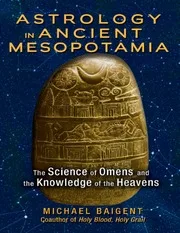
Michael Baigent's 'Astrology in Ancient Mesopotamia' is a seminal work for anyone interested in the esoteric roots of astrology. The book meticulously traces the development of astrological practices from ancient Mesopotamia, where the focus was on omens and the state rather than individual horoscopes. Baigent's exploration of Mesopotamian mythology and its connection to the planets provides a fascinating backdrop for understanding the evolution of astrology. The hermetic transmission of this knowledge over centuries is a compelling narrative that highlights the enduring influence of ancient esoteric traditions. For modern esoteric seekers, this book offers invaluable insights into the origins of astrology and its impact on Western esotericism. Baigent's scholarly approach and engaging writing style make this book a must-read for both novice and experienced astrologers.
📝 Description
75
Michael Baigent's 1994 book traces astrology's origins in ancient Mesopotamia.
Michael Baigent's 'Astrology in Ancient Mesopotamia' examines the earliest known astrological practices. The book details how Mesopotamians viewed celestial events not as individual horoscopes, but as divine messages concerning the state and its ruler. Baigent reconstructs the system of omen interpretation, drawing from cuneiform tablets and mythological texts.
The author follows the development of these ideas from their Mesopotamian roots through their transmission and transformation into later astrological traditions, including influences that reached the Renaissance. He discusses the symbolic meanings attributed to planets and constellations, and how these were understood as signs of cosmic order and divine will. This work aims to show the scientific and knowledge-based approach that underpinned early astronomy and astrology.
This book sits within the study of Western esotericism by examining the historical roots of astrological practices that later became part of occult traditions. It investigates how celestial observation was integrated into a system of knowledge believed to unlock divine or cosmic secrets, a hallmark of esoteric thought. The focus on a specific historical period and culture, Mesopotamia, provides a concrete starting point for understanding the long evolution of these ideas, which later informed European hermeticism and magical practices.
💡 Why Read This Book?
Reading 'Astrology in Ancient Mesopotamia' today offers a unique perspective on the origins of astrology and its enduring influence. This book provides a deep understanding of how ancient Mesopotamian practices have shaped modern esoteric thought. Readers will gain insights into the hermetic traditions that have captivated human imagination for centuries, making this book an essential resource for anyone interested in the mystical arts.
⭐ Reader Reviews
Honest opinions from readers who have explored this book.
❓ Frequently Asked Questions
What is the main focus of 'Astrology in Ancient Mesopotamia'?
The main focus is the development of astrology in ancient Mesopotamia, particularly the Babylonian science of omens, and how this knowledge was transmitted through the centuries.
Who should read this book?
This book is ideal for astrologers, historians, and anyone interested in esoteric traditions and their historical context.
What makes this book unique?
Its unique exploration of Mesopotamian mythology and its connection to astrology, along with the tracing of hermetic influences from Mesopotamia to Renaissance Italy.
🔮 Key Themes & Symbolism
The Science of Omens
Baigent explores the Babylonian science of omens, revealing how celestial events were interpreted to guide the state and king. This theme underscores the mystical and esoteric foundations of astrology, showing how ancient beliefs continue to influence modern practices.
Mythological Influences
The book explores Mesopotamian mythology as it relates to the planets and astrology, offering readers a deeper understanding of the symbolic and philosophical significance of celestial bodies.
Hermetic Transmission
Baigent traces the hermetic transmission of astrological knowledge from Mesopotamia to the Renaissance and beyond, highlighting the enduring influence of ancient beliefs on modern astrology.
💡 Key Ideas
Editorial paraphrase of the work's core concepts — not direct quotes.
The heavens held secrets that could guide the fate of nations.
This passage emphasizes the mystical significance of celestial events in ancient Mesopotamia.
Astrology was not for individuals but for the state and king.
This quote highlights the unique perspective of Mesopotamian astrology, focusing on collective rather than personal guidance.
The planets spoke in symbols, and the wise could decipher their meanings.
This line underscores the esoteric and symbolic nature of ancient astrology.
Knowledge of the heavens was a sacred and hidden art.
This passage reveals the mystical and occult foundations of astrology in ancient times.
From Mesopotamia to the Renaissance, the secrets of the stars were passed down.
This quote emphasizes the enduring influence of ancient astrological beliefs on modern practices.
🌙 Esoteric Significance
Tradition
This book belongs to the Hermetic tradition, which emphasizes the hidden knowledge and symbolism of the cosmos. Baigent's exploration of ancient astrology reveals the mystical and esoteric foundations of this practice.
Symbolism
Key symbols include the planets and celestial bodies, which were seen as omens for the state and king. Baigent's work highlights the symbolic and philosophical significance of these symbols in ancient astrology.
Modern Relevance
This book is relevant today for practitioners of astrology and seekers of hidden knowledge. It provides a deeper understanding of the mystical and esoteric foundations of astrology, offering insights into its enduring influence.
👥 Who Should Read This Book
This book is ideal for seekers of hidden knowledge, scholars of ancient astrology, and practitioners of the mystical arts. Beginners with an interest in the esoteric will find it accessible and enriching, while scholars will appreciate its detailed research and unique perspective. Spiritual seekers will benefit from its exploration of the philosophical significance of astrology.
📜 Historical Context
Astrology in Ancient Mesopotamia was written in an era when the mystical and esoteric were highly valued. The book's importance lies in its detailed exploration of the origins of astrology, revealing how ancient beliefs continue to influence modern practices. Baigent's work has had a significant impact on the study of ancient astrology, providing scholars and practitioners with a deeper understanding of its historical and philosophical significance.
📔 Journal Prompts
How do the ancient beliefs about astrology influence modern practices?
What role did celestial omens play in the governance of ancient Mesopotamia?
How does Mesopotamian mythology relate to the planets and astrology?
In what ways has the hermetic transmission of astrological knowledge shaped modern beliefs?
What are the key symbols in ancient astrology and what do they represent?
🗂️ Glossary
Hermetic
Relating to the mystical and esoteric teachings attributed to Hermes Trismegistus.
Omens
Signs or events believed to foretell the future, often based on celestial occurrences.
Mythology
A collection of myths, especially one belonging to a particular religious or cultural tradition.
Celestial bodies
Natural objects in the sky, such as planets, stars, and moons.
Esoteric
Intended for or likely to be understood by only a small number of people with a specialized knowledge or interest.
This book appears in 1 collection
🔮 Readers Also Liked
Browse all →









More by motivator8
All books →

From the “Astrology” Collection
View all →








More Free Astrology & Cosmology Books
View all →