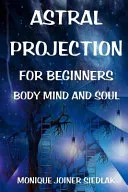
Astral Projection for Beginners
 79
79

Astral Projection for Beginners
Monique Joiner Siedlak's "Astral Projection for Beginners" offers a direct, no-nonsense approach to a subject often shrouded in mystique. The strength of this book lies in its practical, step-by-step guidance, demystifying the process for neophytes. Siedlak avoids overly ornate language, focusing instead on actionable techniques. A particularly effective section details methods for achieving the necessary state of relaxation, a crucial hurdle for many aspiring projectors. However, the book's conciseness, while a benefit for beginners, might leave more experienced practitioners wanting deeper theoretical exploration or advanced techniques. The historical context provided, while present, feels somewhat abbreviated, touching on ancient China but not fully engaging with the broader spectrum of historical OBE traditions. Nevertheless, for its stated purpose, it provides a solid, accessible foundation for exploring the astral plane.
📝 Description
79
Monique Joiner Siedlak's 2016 book guides beginners in astral projection.
Astral projection, the sensation of consciousness leaving the physical body, allows exploration of other dimensions. This out-of-body experience can occur during deep meditation, lucid dreaming, or even while awake. Monique Joiner Siedlak's book, Astral Projection for Beginners, aims to provide a clear path for those curious about these phenomena. It addresses individuals seeking structured instruction on how to initiate and understand astral projection. The work also speaks to those interested in the historical and philosophical background of out-of-body experiences, as well as practitioners of meditation and lucid dreaming who wish to extend their practices into exploring non-physical realities.
The book explains the concept of the astral body, a subtle, non-physical duplicate of the physical form that can travel independently. It details methods for entering altered states of consciousness, emphasizing techniques like deep relaxation. Siedlak's approach is designed to be accessible, making the exploration of these profound experiences attainable for newcomers to the subject.
The idea of consciousness temporarily separating from the body is ancient, found in global mythologies and spiritual traditions. Early written accounts of practices resembling astral projection appear in ancient China. Throughout history, various cultures have developed unique interpretations and methods for achieving these states, often connecting them to spiritual growth or divine communion. Siedlak's 2016 work emerges during a modern revival of interest in consciousness studies and esoteric practices, offering a contemporary perspective on these age-old concepts.
💡 Why Read This Book?
• Learn specific visualization techniques to cultivate the focused mind required for astral projection, a skill developed through the methods outlined in Chapter 3. • Understand the concept of the 'astral body' as distinct from the physical form, as explained by Siedlak's analysis of OBE phenomenology. • Gain practical advice on establishing a safe and grounded practice, including methods for returning to the physical body, a key consideration for beginners as discussed in Chapter 5.
⭐ Reader Reviews
Honest opinions from readers who have explored this book.
❓ Frequently Asked Questions
What is the primary difference between astral projection and lucid dreaming?
Astral projection is typically described as the consciousness leaving the physical body to travel in the astral plane, often perceived as a distinct reality. Lucid dreaming occurs within the dream state, where the dreamer is aware they are dreaming but remains within the dream environment.
Is astral projection dangerous?
According to "Astral Projection for Beginners," when approached with proper preparation and understanding, it is considered safe. The book emphasizes techniques for maintaining awareness and ensuring a safe return to the physical body, mitigating potential anxieties.
How long does it take to learn astral projection?
The timeline varies significantly per individual. Monique Joiner Siedlak suggests consistent practice and patience are key. Some may experience it within weeks, while others might take months or longer to achieve their first projected experience.
Can I interact with spirits or entities during astral projection?
The astral plane is often described as populated by various entities, both conscious and non-conscious. The book discusses the possibility of encounters, encouraging a respectful and aware approach to any interactions encountered during OBEs.
What is the astral plane?
The astral plane is conceptualized as a non-physical dimension or realm that can be accessed through out-of-body experiences. It is often described as a plane of consciousness or a spiritual realm where thoughts and emotions can manifest.
Does this book mention specific meditation techniques for astral projection?
Yes, "Astral Projection for Beginners" outlines several meditation and relaxation techniques designed to prepare the mind and body for the separation experience, detailed in its early chapters.
🔮 Key Themes & Symbolism
Consciousness Separation
The core concept revolves around the perceived separation of consciousness or the 'astral body' from the physical form. The book details the subjective experience of this phenomenon, differentiating it from mere dreaming. It explores the sensation of 'leaving' the body and navigating other realities, emphasizing the distinct nature of this out-of-body experience (OBE) as described by practitioners for centuries.
The Astral Plane
This theme addresses the nature and exploration of the astral plane, often referred to as the spirit world. Siedlak describes it as a dimension accessible through altered states of consciousness. Understanding its characteristics, potential inhabitants, and the 'rules' that govern travel within it are crucial for safe and effective exploration, moving beyond mere physical perception.
Initiation Techniques
The book focuses on practical methods for beginners to initiate astral projection. This includes guided relaxation, visualization exercises, and techniques for entering trance-like states conducive to OBEs. Emphasis is placed on cultivating the necessary mental focus and vibrational states required to facilitate the separation of the astral body from the physical vessel.
Safety and Return
A significant aspect covered is the importance of safety protocols during astral projection. This includes methods for maintaining awareness of one's physical body, understanding the process of re-integration, and managing potential fears or disorientation. The book aims to provide reassurance and practical steps for a secure return after exploring the astral plane.
💬 Memorable Quotes
Direct passages from the work, attributed to the author.
“The spirit world or astral plane is a dimension accessible through altered states.”
— This statement captures the book's premise: that reality extends beyond our physical senses and can be consciously explored through specific practices, particularly out-of-body experiences.
“Astral projection is an out-of-body experience achieved in an awake state, lucid dream, or deep meditation.”
— This defines the core phenomenon, highlighting the varied pathways through which individuals report experiencing their consciousness separating from their physical body.
“The concept dates back to ancient China.”
— This factual anchor grounds the practice in a long historical lineage, indicating that the exploration of consciousness beyond the physical body is an ancient human endeavor.
“Achieving deep relaxation is key to initiating separation.”
— This highlights a fundamental practical element discussed in the book, suggesting that mastery over physical and mental tension is a prerequisite for experiencing an out-of-body state.
💡 Key Ideas
Editorial paraphrase of the work's core concepts — not direct quotes.
People say their spirit or astral body left their physical body.
This paraphrased concept emphasizes the subjective, first-person accounts that form the basis of understanding astral projection, focusing on the reported sensation of separation.
🌙 Esoteric Significance
Tradition
This work aligns with modern esoteric traditions focused on experiential exploration of consciousness, particularly those influenced by 20th-century figures like Robert Monroe. While not strictly tied to a single ancient lineage like Hermeticism or Kabbalah, it draws upon the universal concept of the subtle body and non-physical realms found across many mystical traditions, offering a contemporary, often secularized, approach to practices historically embedded in religious or shamanic contexts.
Symbolism
Key symbols include the 'astral body,' representing the non-physical vehicle of consciousness capable of independent travel, and the 'astral plane,' symbolizing a multidimensional reality accessible beyond physical limitations. The act of 'separation' itself symbolizes liberation from the constraints of the physical form and ego, allowing for direct perception of subtler energetic landscapes.
Modern Relevance
Siedlak's book remains relevant for contemporary practitioners of mindfulness, lucid dreaming, and consciousness exploration. It informs modern approaches to biofeedback and neurofeedback research exploring altered states. Thinkers and practitioners in fields ranging from transpersonal psychology to remote viewing often reference foundational texts like this for accessible explanations of OBE phenomena and techniques.
👥 Who Should Read This Book
• Aspiring practitioners of out-of-body experiences seeking a clear, step-by-step introduction to initiating astral projection. • Individuals interested in exploring consciousness beyond the physical body, who may have explored meditation or lucid dreaming and wish to go further. • Those curious about the historical and subjective accounts of spiritual or non-physical travel, looking for practical guidance grounded in common experiences.
📜 Historical Context
Published in 2016, Monique Joiner Siedlak's "Astral Projection for Beginners" arrived during a period of renewed interest in consciousness studies, alternative spiritualities, and personal development techniques. While the concept of astral projection has roots stretching back to ancient China, and was explored by figures like Helena Blavatsky in the Theosophical movement, Siedlak's work caters to a contemporary audience seeking accessible, secularized methods. It engages with a lineage of esoteric thought that includes figures like Robert Monroe, whose Monroe Institute became prominent in the late 20th century for its research into out-of-body experiences. The book offers a practical entry point, distinct from the more complex philosophical or religious frameworks found in earlier traditions, positioning itself within a modern discourse on the potential of the human mind and consciousness.
📔 Journal Prompts
The sensation of separating from the physical body: describe your initial feelings and observations.
Visualize the astral plane: what colors, textures, or energies do you perceive?
Record your most successful relaxation technique for preparing for OBEs.
Reflect on the concept of the astral body as distinct from your physical form.
Document any perceived entities or presences encountered during practice, noting their characteristics.
🗂️ Glossary
Astral Body
A subtle, non-physical energetic body believed to be capable of separating from the physical body and traveling to other dimensions or planes of existence.
Astral Plane
A non-physical dimension or area of existence accessible through out-of-body experiences or deep meditative states, often described as a spiritual or energetic world.
Out-of-Body Experience (OBE)
A subjective experience in which a person feels their consciousness has temporarily detached from their physical body, allowing them to perceive themselves and their surroundings from a different vantage point.
Lucid Dreaming
A state of dreaming in which the dreamer becomes aware that they are dreaming and can sometimes exert control over the dream narrative or environment.
Vibrational State
A specific energetic frequency or sensation often described by practitioners as preceding or accompanying the separation of the astral body, sometimes felt as a buzzing or humming.
Separation
The critical phase in astral projection where the astral body disengages from the physical body, allowing for independent movement and exploration.
Spirit World
An alternative term for the astral plane or other non-physical dimensions where consciousness is believed to exist or travel after physical death or during out-of-body experiences.