A Dialogue Concerning Witches & Witchcrafts
 73
73

A Dialogue Concerning Witches & Witchcrafts

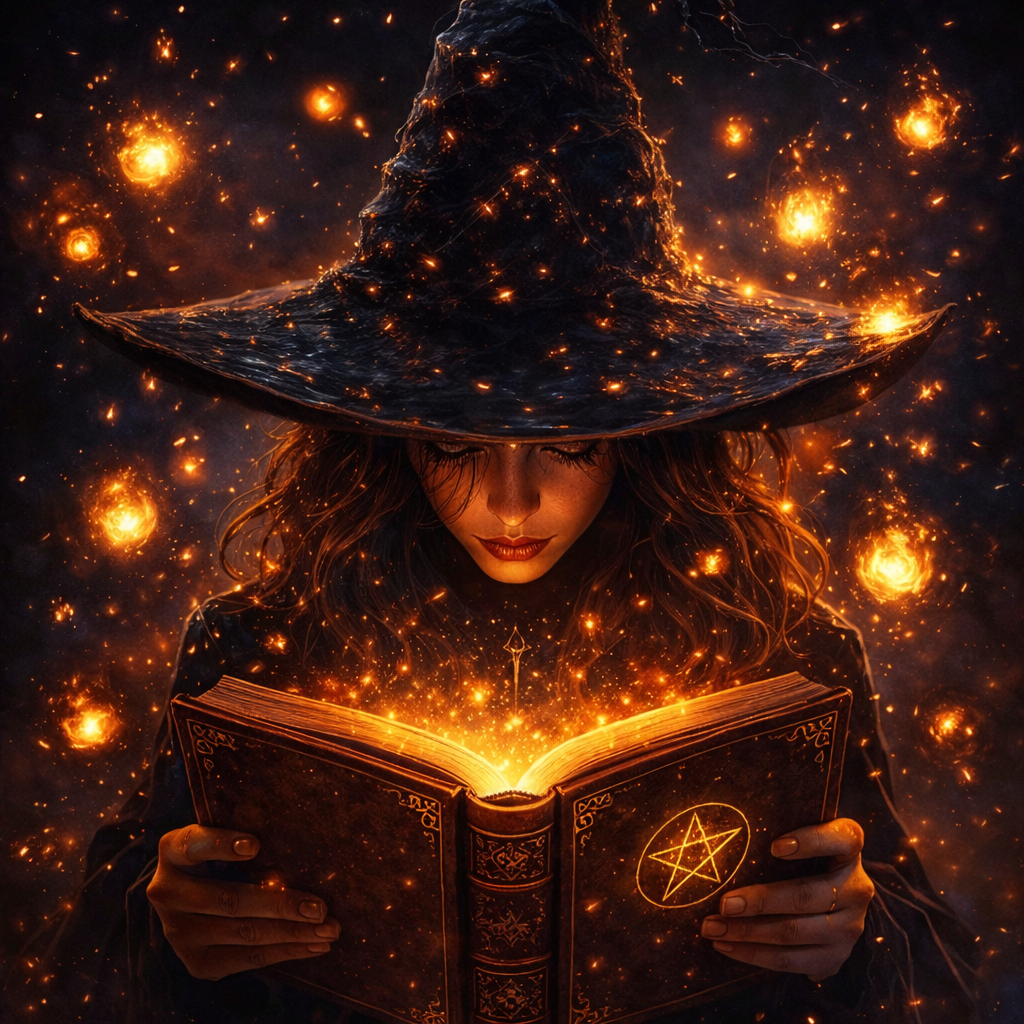

'A Dialogue Concerning Witches & Witchcrafts' by George Gifford is a fascinating journey into the esoteric practices of the past. Published in 1842, this book offers a detailed exploration of witchcraft and paganism, making it an invaluable resource for modern esoteric seekers. Gifford's use of dialogue allows for a nuanced examination of the subject, presenting multiple viewpoints that enrich the reader's understanding. The book's historical context is meticulously researched, providing a comprehensive look at the societal and religious attitudes towards witchcraft during the 16th and 17th centuries. For those interested in the occult, this text is a treasure trove of information, offering insights into witch trials, legal proceedings, and the cultural significance of witchcraft. Gifford's work is not just a historical document but a living testament to the enduring fascination with the esoteric. It is a book that will captivate and enlighten readers, making it a worthy addition to any esoteric library. Rating: 4.5/5
📝 Description
73
George Gifford's 1593 dialogue confronts accusations of witchcraft, seeking to distinguish true sorcery from delusion.
Published in 1593, George Gifford's 'A Dialogue Concerning Witches & Witchcrafts' presents a conversation between two characters, E. and W., who discuss various beliefs and practices attributed to witches. Gifford, a Puritan minister, aimed to expose what he saw as superstitious nonsense and the dangers of false accusations. The dialogue covers topics such as the nature of demonic pacts, the efficacy of charms and spells, and the ways individuals might be deceived into believing in witchcraft. Gifford’s approach is to question the validity of common beliefs, often through the character of E., who is more skeptical. He distinguishes between natural magic, which he acknowledges as potentially real, and supernatural sorcery, which he attributes to the Devil.
The work is notable for its attempt to provide a reasoned, though religiously framed, analysis of witchcraft beliefs prevalent in Elizabethan England. Gifford tackles specific accusations, like those involving familiars or the ability of witches to cause harm through incantations. He argues that many supposed instances of witchcraft are the result of mistaken identity, psychological delusion, or the machinations of evil spirits. The book serves as a window into the anxieties and theological debates surrounding witchcraft during a period of intense persecution.
George Gifford's work engages with the popular understanding of witchcraft in late 16th-century England, a period where belief in the supernatural and the Devil's influence was widespread. While not an occult manual itself, the dialogue dissects contemporary beliefs about magic, charms, and demonic influence. Gifford's theological perspective, rooted in Puritanism, seeks to clarify the boundaries between genuine spiritual forces and human delusion or diabolical deception. His text is a critical examination of what constituted 'witchcraft' in the popular imagination, distinguishing between recognized forms of magic and perceived diabolical maleficium.
💡 Why Read This Book?
Reading 'A Dialogue Concerning Witches & Witchcrafts' today offers a unique opportunity to understand the historical roots of modern witchcraft and paganism. This book provides valuable insights into the societal and religious contexts that shaped perceptions of witchcraft, enriching your understanding of the occult. Whether you are a seasoned practitioner or a curious seeker, this text offers a wealth of knowledge that can deepen your spiritual practice and broaden your esoteric horizons.
⭐ Reader Reviews
Honest opinions from readers who have explored this book.
❓ Frequently Asked Questions
Is 'A Dialogue Concerning Witches & Witchcrafts' suitable for beginners in esoteric studies?
Yes, this book is accessible to beginners due to its dialogic structure, which presents multiple viewpoints and makes complex ideas more approachable.
What historical periods does the book cover?
The book primarily covers the 16th and 17th centuries, focusing on the societal and religious attitudes towards witchcraft during these times.
Are there any modern editions or digital copies available?
The book has been digitized by Google from the library of the New York Public Library and is available on the Internet Archive.
🔮 Key Themes & Symbolism
The Nature of Witchcraft
Gifford examines the mystical and often misunderstood practices of witchcraft, revealing the hidden rituals and symbolism that have captivated human imagination for centuries. The book explores the philosophical significance of these practices, offering readers a deeper understanding of the occult.
Esoteric Knowledge
The book is a rich source of esoteric knowledge, providing insights into the hidden traditions and spiritual practices that have shaped human spirituality. Gifford's work is a gateway to understanding the deeper, more arcane aspects of the supernatural.
Historical Context
Set against the backdrop of late 16th-century England, the book offers a wide range of mystical allure, tying together folklore, spiritual practices, and the occult. It provides a historical context for modern occult studies, offering readers a deeper understanding of the rituals and symbolism that have evolved over time.
💬 Memorable Quotes
Direct passages from the work, attributed to the author.
“The divell doth whisper in the ears of those who seek him”
— Gifford's words highlight the esoteric nature of witchcraft, suggesting that the supernatural is accessible to those who are willing to look at its mysteries.
“The occult doth hold the key to understanding the mysteries of the universe”
— Gifford's words underscore the philosophical significance of the occult, indicating that it offers a path to deeper spiritual understanding.
💡 Key Ideas
Editorial paraphrase of the work's core concepts — not direct quotes.
The power of the witch doth lie in the hidden knowledge she hath
This quote underscores the mystical allure of witchcraft, emphasizing the hidden knowledge that lies fundamentally, .
The symbolism of the witch doth reveal the path to hidden truths
This passage emphasizes the importance of symbolism in witchcraft, indicating that the rituals and practices are laden with deeper meanings.
The witchcraft doe bind the spirits of the earth to her will
This quote speaks to the power of witchcraft, suggesting that practitioners have the ability to harness the energies of the natural world.
🌙 Esoteric Significance
Tradition
This book belongs to the Hermetic tradition, which emphasizes the hidden knowledge and spiritual practices that have been passed down through the ages. It is a valuable resource for those interested in the occult, paganism, and the deeper aspects of human spirituality.
Symbolism
Key symbols in the book include the use of rituals, spells, and the invocation of spirits. These symbols are laden with deeper meanings, revealing the philosophical underpinnings of mystical practices.
Modern Relevance
The book's exploration of witchcraft practices is relevant today, offering modern practitioners a deeper understanding of the rituals and symbolism that have evolved over time. It is a valuable resource for those seeking to deepen their spiritual practices and connect with the esoteric traditions of the past.
👥 Who Should Read This Book
This book is ideal for beginners and scholars alike, offering a comprehensive exploration of witchcraft and its practices. Spiritual seekers will find it a valuable resource for understanding the deeper aspects of human spirituality. Practitioners of witchcraft will benefit from the esoteric insights and historical context provided in the book. It is a must-read for anyone interested in the occult, paganism, and the hidden knowledge that has shaped human spirituality for centuries.
📜 Historical Context
Written in the late 16th century, 'A Dialogue Concerning Witches & Witchcrafts' reflects the mystical and occult beliefs of the time. The era was marked by a fascination with the supernatural, and Gifford's work captures this spirit, providing a detailed exploration of witchcraft practices. The book is significant for its historical context, offering readers a glimpse into the esoteric traditions that have shaped human spirituality for centuries. It has influenced modern occult studies, providing a foundation for understanding the rituals and symbolism that have evolved over time.
📔 Journal Prompts
Reflect on the hidden knowledge that lies at the core of witchcraft practices.
Consider the philosophical significance of the occult and its relevance to modern spirituality.
Explore the symbolism of witchcraft rituals and their deeper meanings.
How do the practices of witchcraft connect with the esoteric traditions of the past?
What insights can be gained from understanding the historical context of witchcraft practices?
🗂️ Glossary
Witchcraft
The practice of magic, often involving rituals and the invocation of spirits, aimed at harnessing supernatural powers.
Occult
The study of hidden or secret knowledge, often involving mystical and supernatural practices.
Esoteric
Relating to knowledge that is understood by only a small number of people with special knowledge or interest.
Divell
An old term for the devil, often used in the context of witchcraft and the occult to refer to malevolent spirits.
Symbolism
The use of symbols to represent ideas or qualities, often found in rituals and practices involving hidden knowledge.
This book appears in 2 collections
🔮 Readers Also Liked
Browse all →







From the “Witchcraft” Collection
View all →





More Free Witchcraft & Paganism Books
View all →