Yati
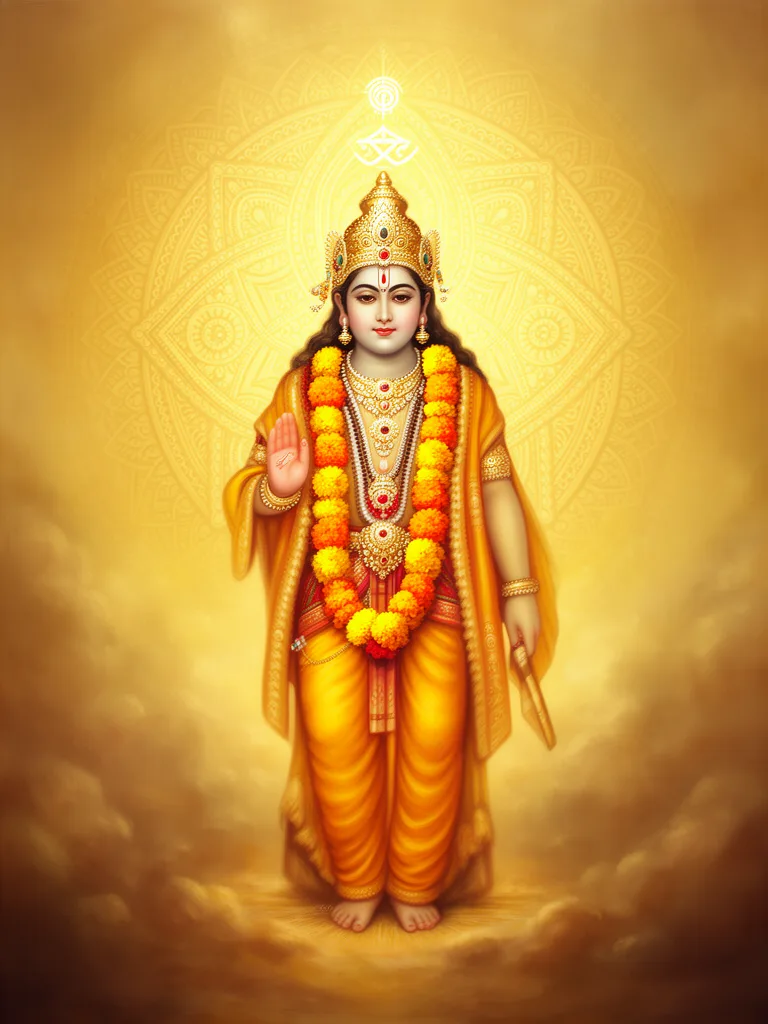
A Yati is a renunciate, typically a male ascetic in Hinduism, who has abandoned worldly life and possessions to pursue spiritual liberation. They often live a celibate life dedicated to meditation, austerity, and the study of sacred texts, embodying detachment from material existence.
Where the word comes from
The Sanskrit term "Yati" (यति) derives from the root "yam," meaning "to restrain," "to control," or "to hold back." This etymology points to the core practice of self-mastery and the renunciation of desires that characterizes the Yati's path. The term has ancient roots in Vedic literature.
In depth
A mea.sui'c of ihwo feet. YatUS, or YntiidhdiKis (Sk.L A kind of nninial foiiiud (lemons. Ksottj-ically. liuMiiin animal pas.sioii.s.
How different paths see it
What it means today
The figure of the Yati, a renunciate in the Hindu tradition, offers a potent counterpoint to the ceaseless accumulation that defines much of modern existence. Blavatsky, in her characteristic way, hints at the deeper, psychological dimension of this asceticism, moving beyond the literal to the symbolic: "human passions." This suggests that the Yati’s outward renunciation of worldly possessions and social ties is, at its heart, an internal battle, a rigorous discipline aimed at mastering the "animal passions" that bind the individual to the cycle of suffering, samsara. Mircea Eliade, in his studies of asceticism and the sacred, highlights how such figures often act as conduits between the mundane and the divine, embodying a radical form of spiritual technology. The Yati’s life, stripped bare of comfort and convention, becomes a living text, a testament to the power of will and focused intent in the pursuit of ultimate reality. It is a path that demands not merely intellectual assent but a visceral commitment, a shedding of the self that is both terrifying and, for those who undertake it, potentially liberating. The Yati, in their deliberate withdrawal, paradoxically draws attention to the fundamental nature of attachment and the possibility of freedom through its radical negation. Their existence challenges us to consider what we truly hold, and what truly holds us.
Related esoteric terms
Books on this concept







No reflections yet. Be the first.
Share your interpretation, experience, or question.
