Sylphs
Sylphs are elemental beings associated with the air, often depicted as ethereal spirits or fairies. In esoteric traditions, they represent the vital forces and subtle energies of the atmosphere, influencing weather and consciousness. They are understood as guardians of the aerial realm.
Where the word comes from
The term "sylph" was popularized by the 16th-century alchemist Paracelsus, who derived it from the Latin "silva" (wood) or "sylvestris" (of the woods), linking them to nature spirits. He coined "sylphes" and "sylphides" to denote air elementals, distinct from salamanders (fire), undines (water), and gnomes (earth).
In depth
The Kosicrucian name for the elements of the air.
How different paths see it
What it means today
The concept of sylphs, as elemental beings of the air, resonates with a deep, almost forgotten animism that once permeated human understanding of the natural world. Paracelsus, in his alchemical treatises, sought to categorize the unseen forces that govern existence, and the sylph emerged as the embodiment of the aerial realm. This is not simply a whimsical notion; it speaks to a profound recognition of the dynamic, intelligent qualities attributed to the atmosphere. Mircea Eliade, in his studies of shamanism and archaic religions, highlights how ancient cultures perceived the sky and winds as imbued with divine power and agency, often mediated by spirit beings.
For the modern seeker, the sylph offers a potent metaphor for the invisible yet palpable forces that shape our experience. The air is our most immediate and constant connection to the external world, yet we often treat it as an inert medium. Esoteric traditions, however, suggest that the atmosphere is alive with subtle energies, influencing our moods, our thoughts, and even our collective consciousness. Carl Jung's exploration of archetypes and the collective unconscious can be seen as a parallel to this idea, suggesting that shared symbolic figures, like the sylph, represent fundamental aspects of the human psyche that connect us to a larger, unseen reality.
To contemplate the sylph is to consider the breath not just as a biological necessity but as a sacred exchange, a communion with the elemental spirit of air. It invites us to pay attention to the subtle shifts in the atmosphere, the currents of thought that pass through our communities, and the very inspiration that seems to descend upon us unbidden. The sylph, in this light, becomes a reminder that we are not isolated beings but are intrinsically linked to the vast, intelligent network of existence, breathing and being in concert with the cosmic atmosphere. This perspective encourages a more reverent engagement with our environment, recognizing the inherent spirit within the seemingly empty spaces that surround us.
Related esoteric terms
Books on this concept
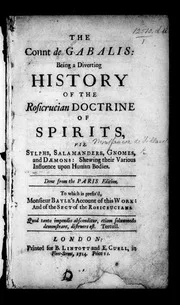


![[Comte de Gabalis. English]. The diverting history of the Count de Gabalis: containing, I. An account of the Rosicrucian doctrine of spirits, viz. sylphs, salamanders, gnomes, and d¶mons; ... To which is prefix'd, Monsieur Bayle's account of this work, ... 1714](/img/thumb/comte-de-gabalis-english-the-diverting-history-of-the-count-de-gabalis-containing-i-an-account-of-the-rosicrucian-doctrine-of-spirits-viz-sylphs-salamanders-gnomes-and-d-mons-to-which-is-prefix-d-mons.webp)



No reflections yet. Be the first.
Share your interpretation, experience, or question.
