Saints
In spiritual traditions, a saint is a person recognized for exceptional holiness, virtue, or closeness to the divine. This recognition often stems from extraordinary spiritual achievements, miraculous deeds, or profound wisdom, serving as an exemplar for adherents and a conduit for divine grace.
Where the word comes from
The term "saint" derives from the Latin "sanctus," meaning "holy" or "consecrated." It entered English through Old French. In ancient Rome, "sanctus" denoted something set apart for religious purposes, often referring to deities or sacred places. This concept of sacred separation is fundamental to its spiritual application.
In depth
They deny the authority of the Vedas and the existence of any personal supreme god, but believe in the eternity of matter, the periodicity of the universe and the immortality of men's minds {Manas) as also of that of the animals. An extremely mystic sect.
How different paths see it
What it means today
The concept of the saint, as it echoes through the corridors of spiritual history, offers a potent counterpoint to the often abstract nature of theological discourse. It is the embodiment, the tangible manifestation of the divine impulse within the human form. Mircea Eliade, in his exploration of the sacred, illuminated how such figures serve as mediators, bridging the chasm between the profane and the sacred, making the ineffable accessible through lived experience. They are not simply paragons of moral rectitude, but individuals who have, through arduous spiritual discipline—be it the asceticism of a Sufi dervish, the contemplative stillness of a Christian mystic, or the profound insight of a Buddhist arhat—pierced the veil of ordinary perception.
These figures, far from being static icons, are dynamic conduits. Their lives, often punctuated by trials and extraordinary grace, become sacred texts in themselves, read by seekers across generations. Carl Jung’s work on archetypes resonates here, suggesting that the saint embodies the archetype of the wise elder or the divine child, tapping into universal psychic structures that speak to our innate yearning for meaning and transcendence. The very notion of sainthood implies a process, a journey of transformation that, while unique to the individual, offers a universal template for spiritual growth. It is the recognition that within the ordinary vessel of humanity, extraordinary luminescence is possible, a testament to the soul's capacity for divine communion. They remind us that the path to the sacred is not solely paved with dogma, but with the very fabric of a life lived in profound alignment with what is perceived as ultimate reality.
The enduring power of the saint lies in this fusion of the human and the divine, a reminder that the sacred is not merely an abstract concept but a lived reality, accessible to those who dedicate themselves to its pursuit, offering a profound invitation to contemplate the potential for divinity within our own human experience.
Related esoteric terms
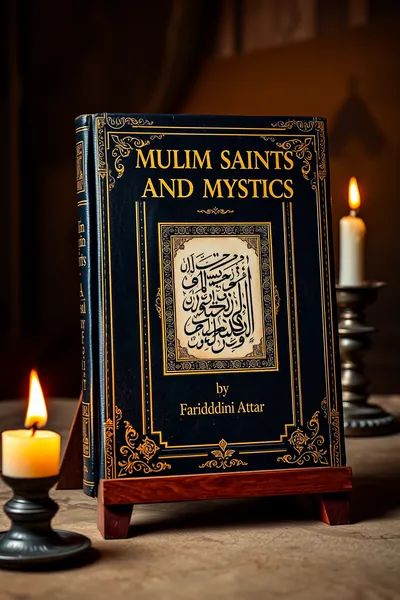
Books on this concept







No reflections yet. Be the first.
Share your interpretation, experience, or question.
