Murti
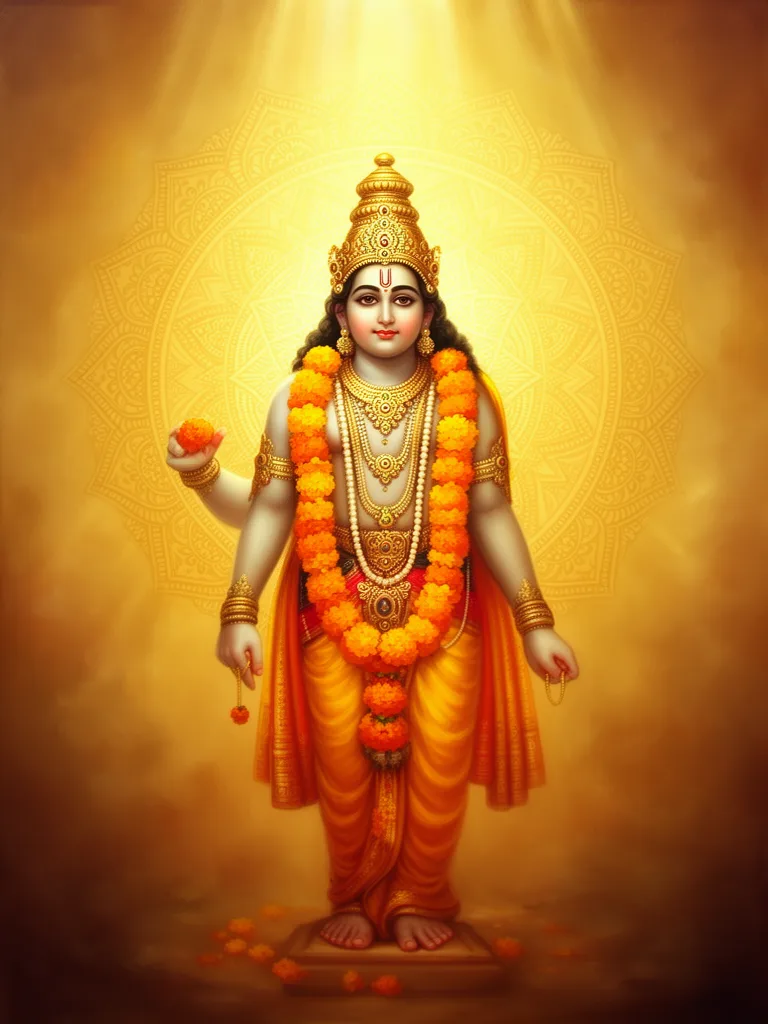
A divine image or idol in Hinduism, representing a deity. It is not merely a statue but a consecrated vessel through which the divine presence is invoked and worshipped, serving as a focal point for devotion and spiritual connection.
Where the word comes from
From Sanskrit "mūrti" (मूर्ति), meaning "form," "shape," "body," or "embodiment." It signifies the materialized aspect of the divine, making the abstract tangible for devotees. The term is deeply rooted in Vedic and Puranic literature.
In depth
A form, or a sign, or again a face, e.g., "Trimurti", the "three Faces" or Images.
How different paths see it
What it means today
The concept of the murti in Hinduism offers a profound counterpoint to certain Western traditions that might perceive idol worship as a mere artistic representation. For the Hindu devotee, the murti is not simply a statue of stone, metal, or wood; it is a living presence, a consecrated form that has been ritually imbued with the divine essence of the deity it represents. Mircea Eliade, in his extensive studies of religion, often highlighted the human need to objectify the sacred, to give it form and place in the world. The murti fulfills this need with remarkable efficacy, transforming a conceptual deity into a palpable reality for worship.
This is not a passive object. Through the intricate rituals of prana pratishtha (the installation of life), the murti is awakened, becoming a conduit for the divine. The act of darshan, seeing and being seen by the deity, is facilitated by the murti, creating a dynamic, relational space between the human and the divine. It’s akin to how Carl Jung spoke of archetypes finding expression in symbols that resonate with the collective unconscious; the murti is a potent symbol, a sacred object that allows the worshipper to project and receive spiritual energy. Ananda Coomaraswamy, a leading scholar of Indian art and culture, emphasized that the image is not the deity itself, but a vehicle for devotion and a means to apprehend the divine. The care and devotion shown to a murti, from its daily adornment to the offerings made, reflect a profound understanding of the divine's presence in the material world, making the abstract concrete and the transcendent accessible. The murti, therefore, is a testament to the power of form to shape consciousness and facilitate spiritual communion.
RELATED_TERMS: Puja, Darshan, Brahman, Deva, Iconography, Sacred Image, Divine Presence
Related esoteric terms
Books on this concept






No reflections yet. Be the first.
Share your interpretation, experience, or question.
