The concept of a Near-Death Experience (NDE) has fascinated humanity for millennia, offering tantalizing glimpses into what may lie beyond the veil of physical existence. These profound personal accounts, often reported by individuals who have come close to death and then recovered, describe a range of phenomena including out-of-body sensations, encounters with deceased loved ones, visions of light, and a review of one's life. On Esoteric Library, we invite you to explore a rich collection of public domain texts that touch upon these extraordinary states, providing historical context, philosophical insights, and spiritual interpretations of the Near-Death Experience.
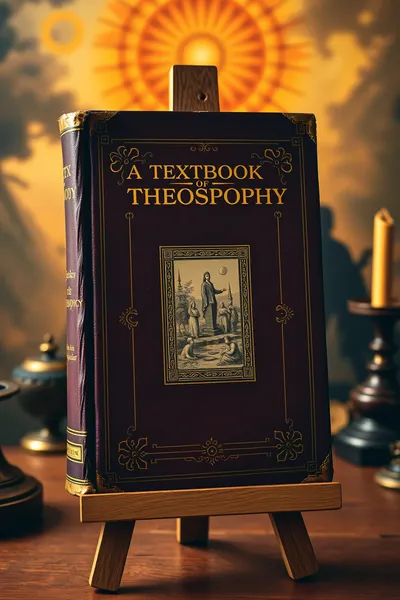
Historically, narratives akin to the Near-Death Experience can be found in ancient spiritual traditions across the globe. From Plato’s Myth of Er in The Republic, detailing a soldier's return from the afterlife, to the intricate descriptions of the bardo states in the Tibetan Book of the Dead, cultures have long grappled with the soul's journey after death. These early accounts, while not using the modern term, reflect a deep human curiosity about consciousness, the soul, and the possibilities of existence beyond the body. Many esoteric traditions, such as Theosophy, extensively discuss astral travel and the subtle bodies, providing frameworks through which to understand the subjective experiences reported during a Out-of-Body Experience, a common element of NDEs. Authors like C. W. Leadbeater, in his work on Theosophy, offer detailed maps of non-physical planes of existence that resonate with NDE narratives.
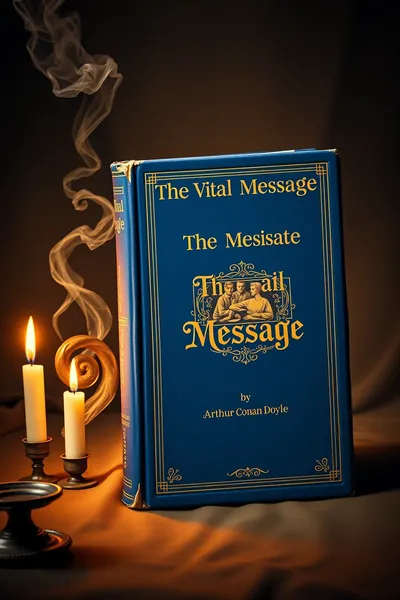
The modern study of the Near-Death Experience gained significant traction in the 20th century, particularly with Dr. Raymond Moody's groundbreaking work in the 1970s, which coined the term. While our collection predates much of this contemporary scientific inquiry, it provides an invaluable historical and philosophical backdrop. You'll find works that explore spiritualism, the afterlife, and the nature of consciousness, often predating the scientific rigor but rich in personal conviction and philosophical speculation. Arthur Conan Doyle, for instance, a staunch advocate for Spiritualism, penned works like "The Vital Message" that passionately argue for the continuation of consciousness beyond physical death, a central theme within the Near-Death Experience phenomenon.
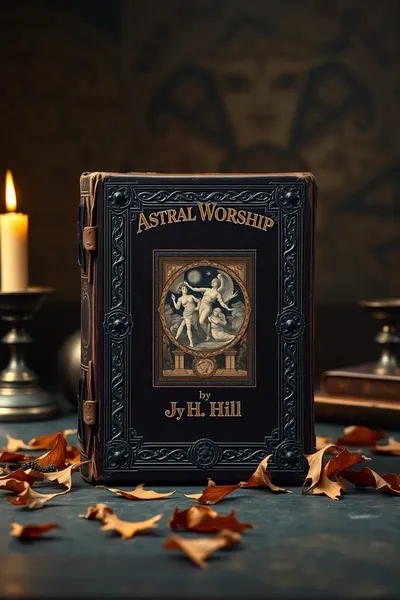
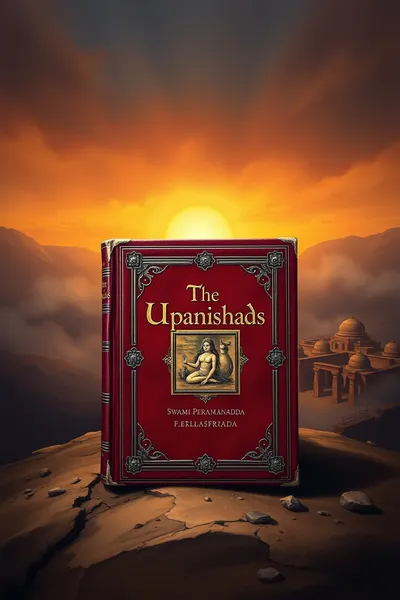
For those interested in the spiritual and philosophical dimensions, texts like Swami Paramananda's translation of "The Upanishads" offer profound insights into the nature of the self (Atman) and its relationship to ultimate reality (Brahman), concepts that deeply inform Eastern understandings of death and rebirth. These ancient philosophies often touch upon themes that parallel the transformative insights reported by NDE experiencers, such as the dissolution of ego and a profound sense of interconnectedness, reminiscent of what is sometimes termed Ego Death. Similarly, J. H. Hill's "Astral Worship" delves into ancient beliefs about celestial bodies and their spiritual significance, providing a historical lens on how humanity has long sought to understand its place in a vast, interconnected cosmos, a perspective often amplified during a Near-Death Experience.
Whether you approach the Near-Death Experience from a psychological, spiritual, or purely curious perspective, this collection offers a unique opportunity to explore historical perspectives on death, consciousness, and the unknown. These public domain books provide a window into how thinkers across different eras have contemplated the ultimate transition, offering solace, challenging assumptions, and perhaps, illuminating the profound mysteries that surround life's most final, yet potentially most transformative, event. Dive into these texts to broaden your understanding of the enduring human quest to comprehend the Near-Death Experience and its implications for our understanding of existence.