Welcome to the Esoteric Library's dedicated collection on Extrasensory Perception (ESP), a fascinating realm where the boundaries of ordinary human experience are tested and transcended. This collection brings together a diverse array of public domain works that explore the various facets of ESP, from its theoretical underpinnings to practical applications and historical accounts. Whether you are a seasoned parapsychologist, a spiritual seeker, or simply curious about the capacities of the human mind beyond the five senses, these texts offer a unique opportunity to explore the invisible currents that shape our reality.
Extrasensory Perception encompasses a spectrum of abilities that defy conventional scientific explanation, including telepathy (mind-to-mind communication), clairvoyance (seeing beyond physical sight), precognition (knowing future events), and psychokinesis (mind over matter). Throughout history, cultures across the globe have documented phenomena attributed to Extrasensory Perception, integrating them into spiritual practices, folklore, and philosophical systems. From ancient oracles and seers to modern psychics and mediums, the belief in these extraordinary capabilities has persisted, fueling both skepticism and fervent belief.
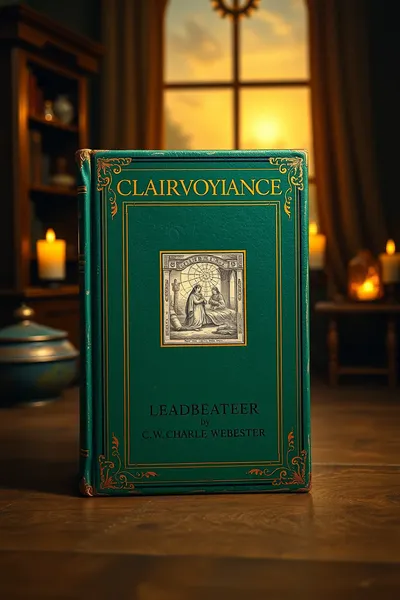
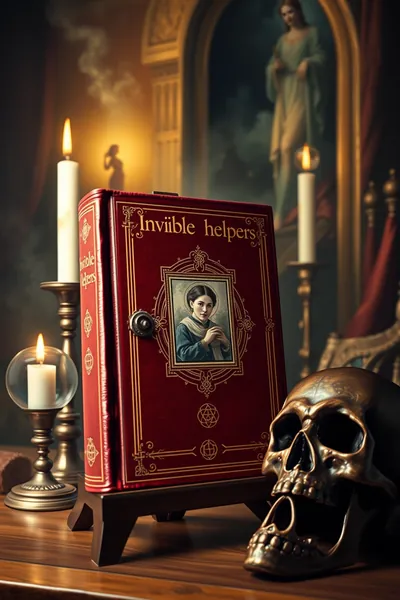
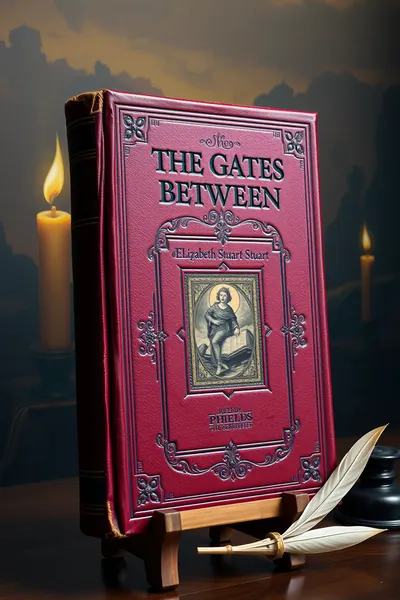
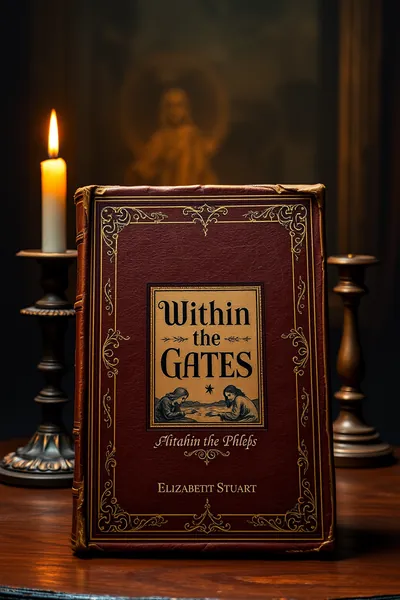
Within this collection, you will find works that approach Extrasensory Perception from different perspectives. Authors like C. W. Leadbeater, a prominent Theosophist, offer detailed expositions on subjects like clairvoyance and invisible helpers, providing a framework for understanding the subtle planes of existence and the non-physical beings that are believed to inhabit them. His works, such as Clairvoyance and Invisible helpers, are foundational for those interested in the Theosophical view of psychic abilities. Similarly, Elizabeth Stuart Phelps explores spiritualist themes in her novels, touching upon communication with the deceased, which is often considered a form of Extrasensory Perception. These texts not only describe these phenomena but also offer insights into their potential development and ethical considerations.
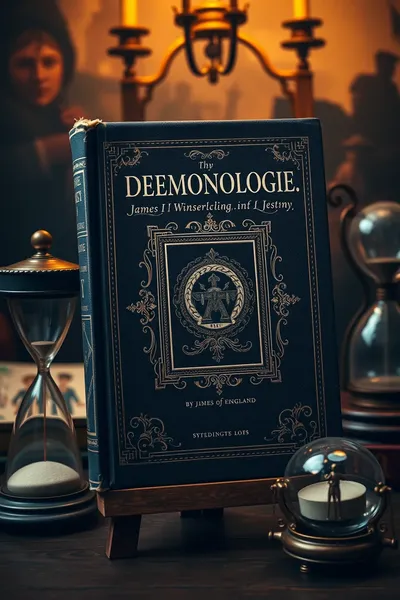
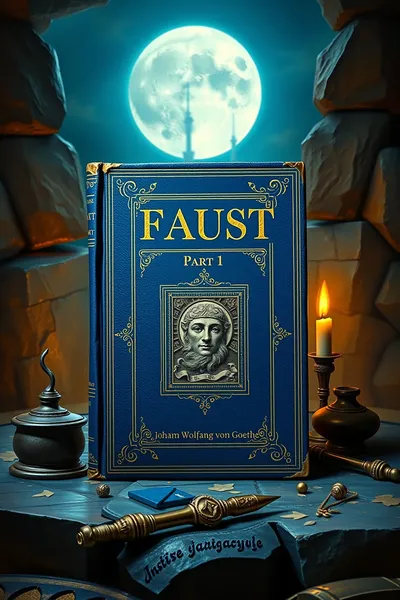
The study of Extrasensory Perception has often been intertwined with broader esoteric traditions and the occult. Figures like James I, King of England, whose Daemonologie. reflects the historical context of supernatural beliefs and witch trials, provide a glimpse into how such phenomena were perceived in earlier eras. While not directly about ESP, these historical documents illuminate the long-standing human fascination with forces beyond the visible. Even literary giants like Johann Wolfgang von Goethe, through works like Faust — Part 1, touch upon themes of hidden knowledge, spiritual pacts, and the unseen forces that influence destiny, echoing the profound implications of Extrasensory Perception.
As you navigate this collection, you are invited to ponder the nature of consciousness, the limits of perception, and the potential for human connection to realms beyond the ordinary. Each book offers a unique lens through which to view Extrasensory Perception, challenging conventional understanding and opening doors to new possibilities. Dive into these free public domain texts and expand your understanding of the incredible, often mysterious, capacities of the human mind.