100% Free & Public Domain 16,000+ Esoteric Books No Registration Needed
Home Collections Extrasensory Perception
📖

Unlocking Extrasensory Perception: Free Esoteric Texts

Welcome to the Esoteric Library's dedicated collection on Extrasensory Perception (ESP), a fascinating realm where the boundaries of ordinary human experience are tested and transcended. This collection brings together a diverse array of public domain works that explore the various facets of ESP, from its theoretical underpinnings to practical applications and historical accounts. Whether you are a seasoned parapsychologist, a spiritual seeker, or simply curious about the capacities of the human mind beyond the five senses, these texts offer a unique opportunity to explore the invisible currents that shape our reality.

Extrasensory Perception encompasses a spectrum of abilities that defy conventional scientific explanation, including telepathy (mind-to-mind communication), clairvoyance (seeing beyond physical sight), precognition (knowing future events), and psychokinesis (mind over matter). Throughout history, cultures across the globe have documented phenomena attributed to Extrasensory Perception, integrating them into spiritual practices, folklore, and philosophical systems. From ancient oracles and seers to modern psychics and mediums, the belief in these extraordinary capabilities has persisted, fueling both skepticism and fervent belief.

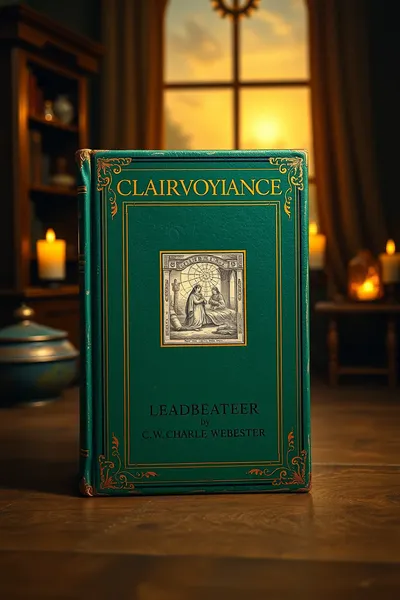
Within this collection, you will find works that approach Extrasensory Perception from different perspectives. Authors like C. W. Leadbeater, a prominent Theosophist, offer detailed expositions on subjects like clairvoyance and invisible helpers, providing a framework for understanding the subtle planes of existence and the non-physical beings that are believed to inhabit them. His works, such as Clairvoyance and Invisible helpers, are foundational for those interested in the Theosophical view of psychic abilities. Similarly, Elizabeth Stuart Phelps explores spiritualist themes in her novels, touching upon communication with the deceased, which is often considered a form of Extrasensory Perception. These texts not only describe these phenomena but also offer insights into their potential development and ethical considerations.

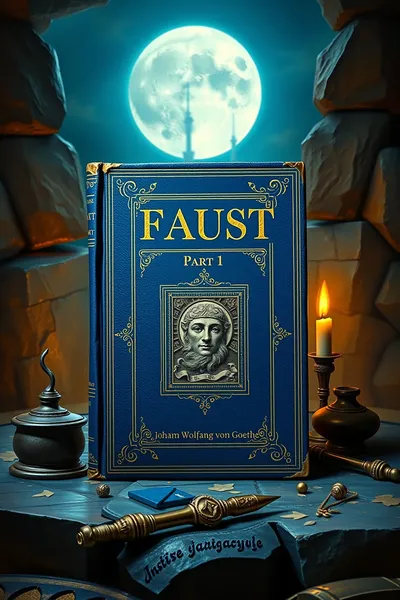
The study of Extrasensory Perception has often been intertwined with broader esoteric traditions and the occult. Figures like James I, King of England, whose Daemonologie. reflects the historical context of supernatural beliefs and witch trials, provide a glimpse into how such phenomena were perceived in earlier eras. While not directly about ESP, these historical documents illuminate the long-standing human fascination with forces beyond the visible. Even literary giants like Johann Wolfgang von Goethe, through works like Faust — Part 1, touch upon themes of hidden knowledge, spiritual pacts, and the unseen forces that influence destiny, echoing the profound implications of Extrasensory Perception.

As you navigate this collection, you are invited to ponder the nature of consciousness, the limits of perception, and the potential for human connection to realms beyond the ordinary. Each book offers a unique lens through which to view Extrasensory Perception, challenging conventional understanding and opening doors to new possibilities. Dive into these free public domain texts and expand your understanding of the incredible, often mysterious, capacities of the human mind.

Top Extrasensory Perception Books

25 Extrasensory Perception books
Four Weird Tales
📖
Four Weird Tales
Blackwood, Algernon
4.3
69
The Feather
📖
The Feather
Ford, Ford Madox
4.2
69
MUST READ
Witching Hill
📖
Witching Hill
Hornung, E. W. (Ernest William)
4.2
68
Skull-face
📖
Skull-face
Howard, Robert E. (Robert Ervin)
4.2
69
Daemonologie.
📖
Daemonologie.
James I, King of England
4.3
71
CLASSIC
The radio ghost
📖
The radio ghost
Kline, Otis Adelbert
4.2
68
Clairvoyance
📖
Clairvoyance
Leadbeater, C. W. (Charles Webster)
4.3
69
SCHOLAR'S PICK
Invisible helpers
📖
Invisible helpers
Leadbeater, C. W. (Charles Webster)
4.2
69
Satan
📖
Satan
Lewis Sperry Chafer
4.6
82
The Timeless Ones
📖
The Timeless Ones
Long, Frank Belknap
4.2
68
Nature Mysticism
📖
Nature Mysticism
Mercer, John Edward
4.3
69
The Gates Between
📖
The Gates Between
Phelps, Elizabeth Stuart
4.2
69
TRENDING
Within the Gates
📖
Within the Gates
Phelps, Elizabeth Stuart
4.2
68
❤️ HEARTBREAKER
The Green Mouse
📖
The Green Mouse
Robert W. (Robert William) Chambers
4.4
75
MUST READ
The Tempest
📖
The Tempest
Shakespeare, William
4.3
69
Aryan Path Vol. 4
📖
Aryan Path Vol. 4
Theosophy Company (Mysore) India
4.4
73

Reading Order

Three paths · pick by your level

🌱

Beginner

  1. Clairvoyance Offers a foundational understanding of clairvoyance, a key aspect of Extrasensory Perception, presented in an accessible Theosophical context.
  2. The Gates Between Explores the spiritualist concept of communication with the deceased, providing an imaginative entry point into non-physical perception.
  3. Mopsa the Fairy A delightful fairy tale that introduces the idea of unseen worlds and magical perception, fostering an open mind to the extraordinary.
🌿

Intermediate

  1. Invisible helpers Expands on subtle realms, describing non-physical entities and their interactions, deepening the understanding of invisible influences and Extrasensory Perception.
  2. Four Weird Tales Algernon Blackwood's tales often feature characters with heightened senses and profound psychic experiences, offering rich narrative exploration of the uncanny.
  3. Faust — Part 1 A philosophical masterpiece exploring humanity's quest for knowledge and power, touching upon the esoteric and the supernatural through Faust's pact.
🌳

Advanced

  1. Daemonologie. Provides critical historical context on beliefs in witchcraft and the supernatural, essential for understanding the historical perception of extraordinary abilities.
  2. Aryan Path Vol. 4 This volume from Theosophy Company presents advanced spiritual and philosophical articles, often discussing the subtle senses and spiritual evolution linked to Extrasensory Perception.
  3. The Green Mouse A unique blend of romance and the bizarre, this novel subtly explores themes of altered reality and perception, challenging conventional understanding.

Why Each Book Matters

Body Types Journal

Body Types Journal

'Body Types Journal' is a general title, but in an esoteric context, such a journal might explore the hidden connections between physical constitution and spiritual or psychological traits. It could touch upon intuitive understanding of human nature or unseen energetic influences on the body, expanding the idea of perception beyond the purely physical.

Paganini

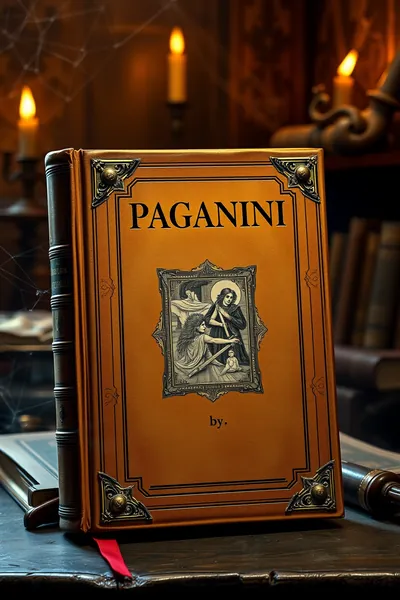
Paganini

This biography, 'Paganini,' explores the life of the legendary violinist Niccolò Paganini, whose virtuosity was so extraordinary that many attributed it to a pact with the devil. Published anonymously, it captures the aura of mystery and almost supernatural talent that surrounded the musician, suggesting a mastery that seemed to defy ordinary human capabilities.

Four Weird Tales

Four Weird Tales

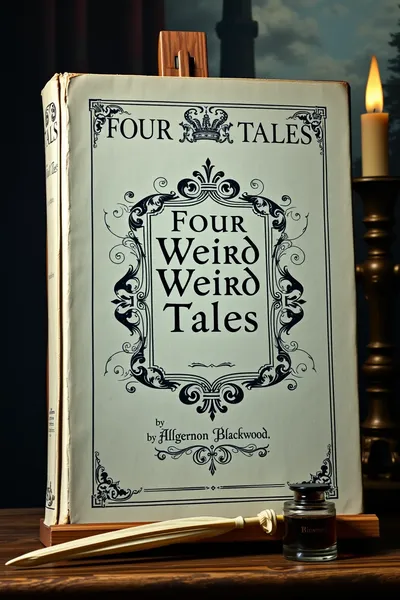
by Blackwood, Algernon

'Four Weird Tales' by Algernon Blackwood, published in 1922, showcases the author's mastery of atmospheric horror and psychological mystery. Blackwood's stories often feature characters who experience profound shifts in perception, encountering unseen entities or forces that evoke a sense of the sublime and the terrifying, pushing the limits of human experience.

A rogue's tragedy

A rogue's tragedy

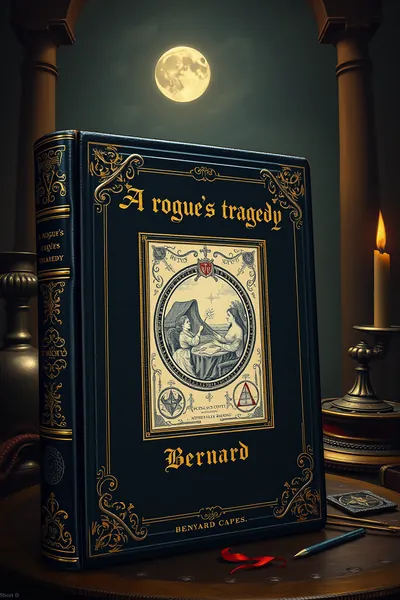
by Capes, Bernard

'A rogue's tragedy' by Bernard Capes is a dramatic novel from 1899, filled with suspense and moral complexity. The narrative often hinges on characters' hidden pasts, secret intentions, and intuitive understandings of each other's true natures, exploring the subtle psychological perceptions that can shape destiny.

The Feather

The Feather

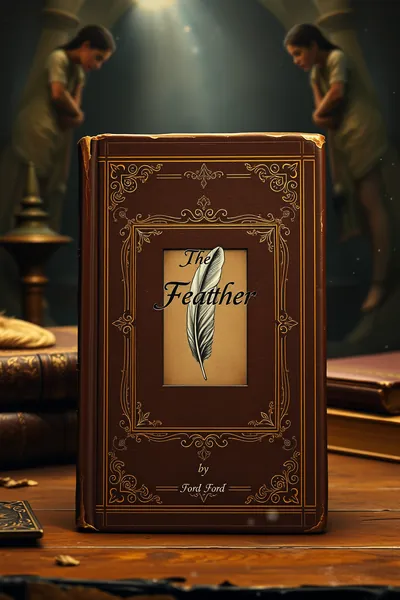
by Ford, Ford Madox

Ford, Ford Madox's 'The Feather' is a nuanced novel that subtly explores the psychological depths of its characters and the intricate social dynamics of its setting. While not overtly about Extrasensory Perception, it delves into unspoken understandings, hidden motives, and the often-unseen currents of human relationships that influence perception and action.

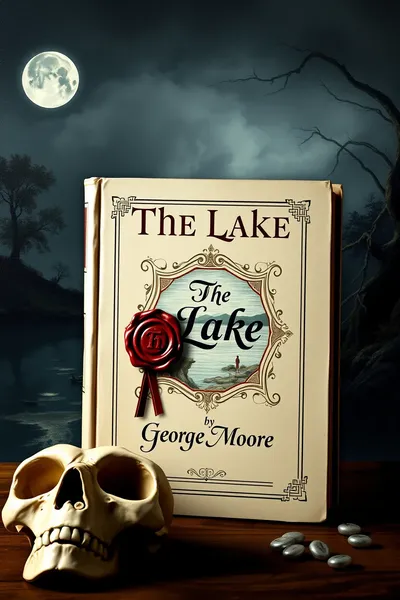
The Lake

The Lake

by George Moore

'The Lake' by George Moore is a poignant novel from 1905 exploring the inner life and spiritual journey of Father Oliver Gogarty, a priest in rural Ireland. The narrative subtly touches upon themes of intuition and hidden emotions, as characters grapple with unspoken desires and the profound influence of their surroundings, hinting at perceptions beyond the obvious.

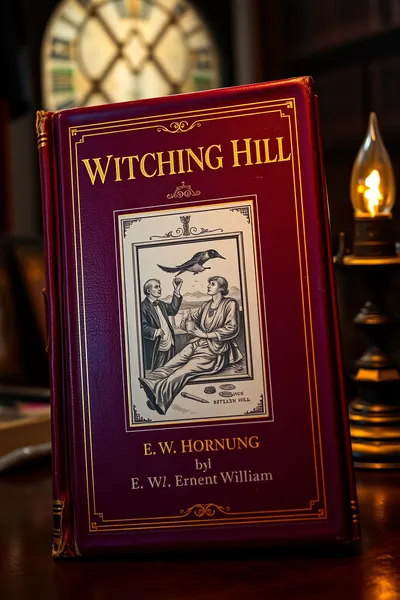
Witching Hill

Witching Hill

by Hornung, E. W. (Ernest William)

'Witching Hill' by E. W. (Ernest William) Hornung is a collection of mysterious tales set in a seemingly idyllic English village where strange events unfold. Published in 1913, these stories often hint at hidden forces, uncanny coincidences, and a pervasive sense of the inexplicable, challenging characters to perceive beyond the ordinary.

Skull-face

Skull-face

by Howard, Robert E. (Robert Ervin)

Robert E. (Robert Ervin) Howard's 'Skull-face' is a thrilling pulp adventure featuring the sinister character Kathulos, an ancient sorcerer who manipulates events from the shadows. This 1929 story explores themes of ancient evil, psychic influence, and the struggle against forces that operate beyond conventional understanding, appealing to those interested in unseen powers.

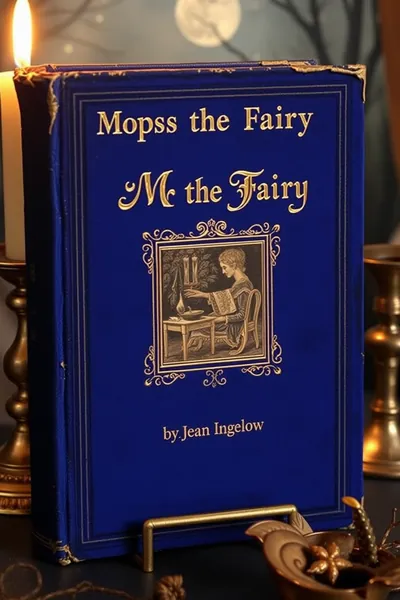
Mopsa the Fairy

Mopsa the Fairy

by Ingelow, Jean

'Mopsa the Fairy' by Jean Ingelow is a enchanting children's fantasy novel from 1869, following a boy named Jack who journeys to a magical land of fairies. The story encourages readers to imagine unseen realms and beings, fostering a sense of wonder about perceptions that extend beyond the everyday world.

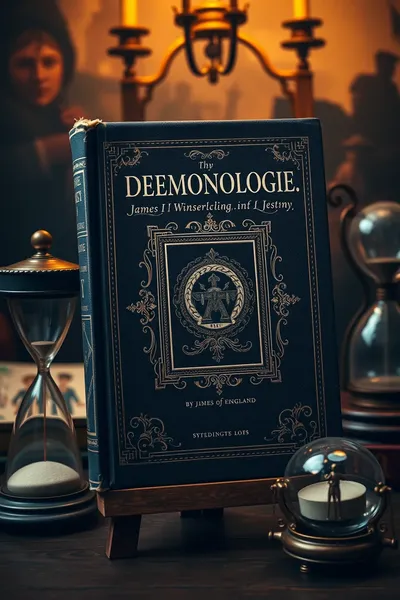
Daemonologie.

Daemonologie.

by James I, King of England

James I, King of England's 'Daemonologie.' (1597) is a philosophical dissertation on demonology and witchcraft, reflecting the monarch's personal beliefs and the prevalent fears of his era. This historical text provides a crucial insight into how supernatural phenomena, including what might now be termed Extrasensory Perception, were understood and feared in the late 16th century.

Faust — Part 1

Faust — Part 1

by Johann Wolfgang von Goethe

Johann Wolfgang von Goethe's 'Faust — Part 1' (1808) is a foundational work of German literature, depicting the scholar Faust's pact with the demon Mephistopheles. It profoundly explores themes of knowledge, spiritual striving, and the unseen forces of good and evil that influence human destiny, touching upon the esoteric pursuit of ultimate understanding.

The radio ghost

The radio ghost

by Kline, Otis Adelbert

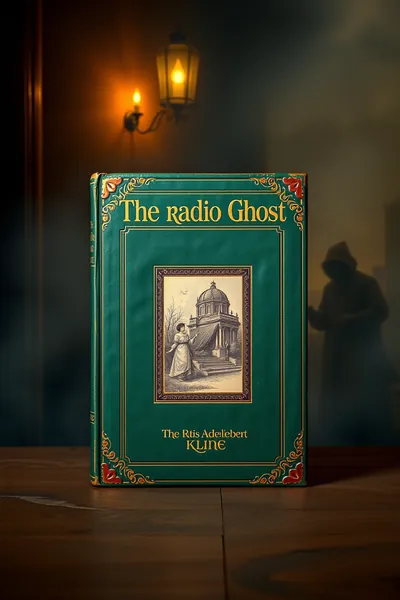
'The radio ghost' by Otis Adelbert Kline, a pulp fiction story from 1927, ingeniously combines nascent radio technology with supernatural phenomena. It explores the idea of unseen entities communicating through new mediums, challenging the boundaries of perception and suggesting how technology might bridge the gap to the spectral realm.

Clairvoyance

Clairvoyance

by Leadbeater, C. W. (Charles Webster)

'Clairvoyance' by C. W. (Charles Webster) Leadbeater, published by the Theosophical Publishing House, is a seminal work detailing the nature and development of clairvoyant powers. This 1899 text explains different types of clairvoyance, such as simple, intentional, and astral, offering a structured approach to understanding this form of Extrasensory Perception.

Invisible helpers

Invisible helpers

by Leadbeater, C. W. (Charles Webster)

'Invisible helpers' by C. W. (Charles Webster) Leadbeater, published in 1912, explores the concept of non-physical entities that assist humanity. This Theosophical text details how these 'helpers' operate on subtle planes and how individuals, particularly those with developed Extrasensory Perception, can perceive and interact with them for spiritual growth.

Satan

Satan

by Lewis Sperry Chafer

In 'Satan,' Lewis Sperry Chafer presents a theological examination of the adversary, delving into his origin, nature, and influence. Published in 1919, this work explores the unseen spiritual forces that, from a Christian perspective, impact human lives and the world, touching upon the unseen spiritual battles that might require a form of spiritual discernment.

The Timeless Ones

The Timeless Ones

by Long, Frank Belknap

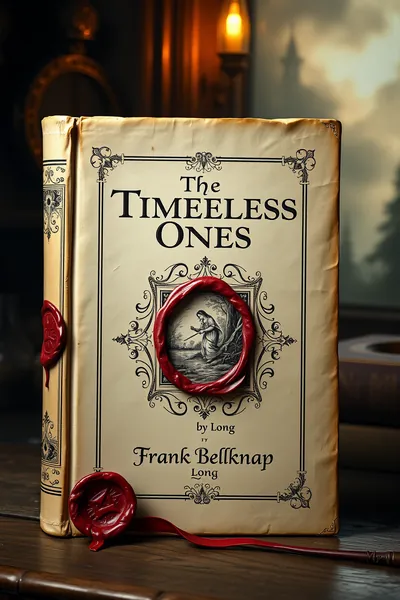
'The Timeless Ones' by Frank Belknap Long is a cosmic horror story from 1952, characteristic of the Cthulhu Mythos. It features ancient, unfathomable entities that exist beyond human comprehension and time, suggesting a reality where perception is utterly inadequate to grasp the true nature of existence and unseen forces.

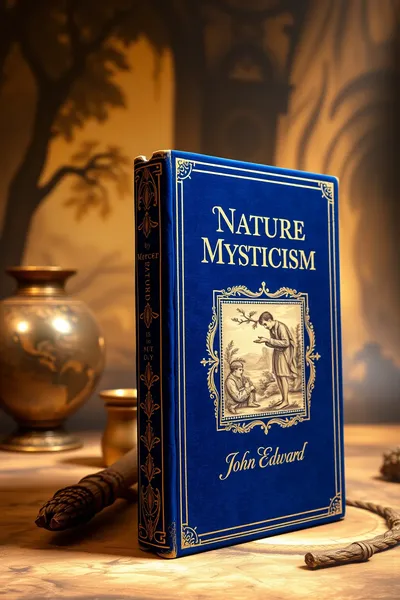
Nature Mysticism

Nature Mysticism

by Mercer, John Edward

'Nature Mysticism' by John Edward Mercer delves into the spiritual connection between humanity and the natural world. This 1913 work explores how individuals can achieve heightened states of consciousness and a deeper, intuitive understanding of the cosmos through communion with nature, suggesting a form of Extrasensory Perception through environmental immersion.

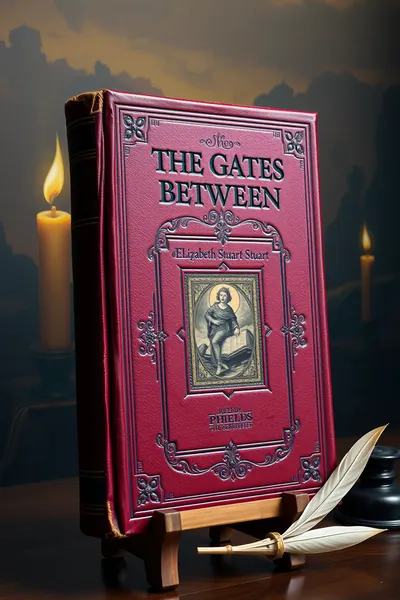
The Gates Between

The Gates Between

by Phelps, Elizabeth Stuart

'The Gates Between' by Elizabeth Stuart Phelps, published in 1887, is another of her influential spiritualist works. It narrates a man's experience of death and his attempts to communicate with his wife, providing a fictional exploration of post-mortem communication and the possibilities of Extrasensory Perception across the veil of life and death.

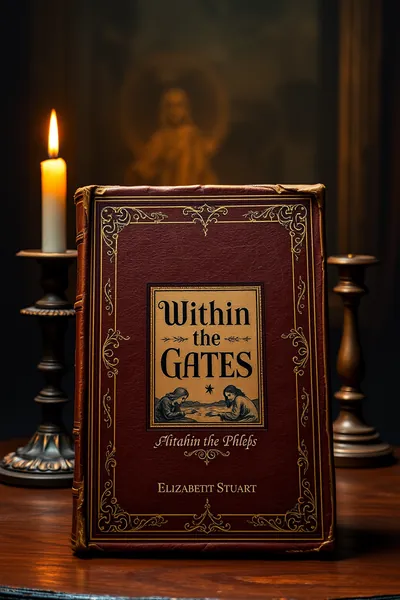
Within the Gates

Within the Gates

by Phelps, Elizabeth Stuart

'Within the Gates' by Elizabeth Stuart Phelps, published in 1901, is a spiritualist novel exploring the journey of a soul into the afterlife. It vividly portrays communication between the living and the dead, offering imaginative insights into what might constitute a form of Extrasensory Perception, bridging the divide between physical and spiritual realms.

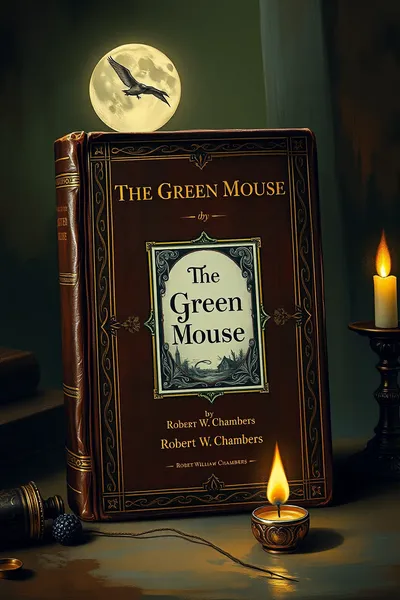
The Green Mouse

The Green Mouse

by Robert W. (Robert William) Chambers

'The Green Mouse' by Robert W. (Robert William) Chambers, published in 1910, is a whimsical and often uncanny tale blending romance with elements of science fiction and the bizarre. The narrative subtly introduces unusual perceptions and unexplained occurrences, hinting at a reality more complex than it appears on the surface.

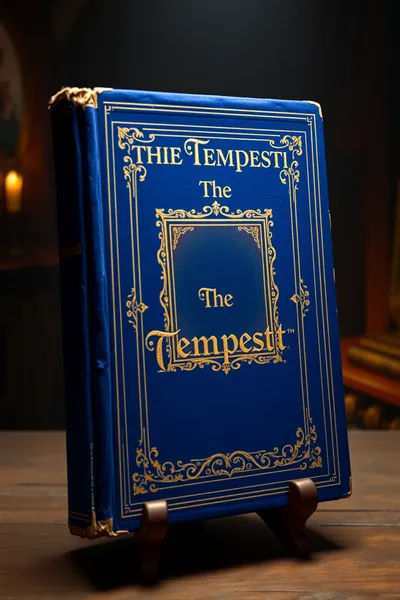
The Tempest

The Tempest

by Shakespeare, William

This edition of 'The Tempest' by William Shakespeare, a masterpiece from the early 17th century, focuses on the exiled Duke Prospero's use of enchantment and his control over Ariel, a spirit of the air. It vividly portrays a world where unseen magical forces dictate the fate of characters, offering a timeless meditation on power, perception, and the supernatural.

Aryan Path Vol. 4

Aryan Path Vol. 4

by Theosophy Company (Mysore) India

'Aryan Path Vol. 4' from Theosophy Company (Mysore) India, likely published in the 1930s, is a collection of articles exploring spiritual, philosophical, and esoteric topics from a Theosophical perspective. These essays often touch upon the development of inner senses, the nature of consciousness, and the subtle workings of the universe, all relevant to Extrasensory Perception.

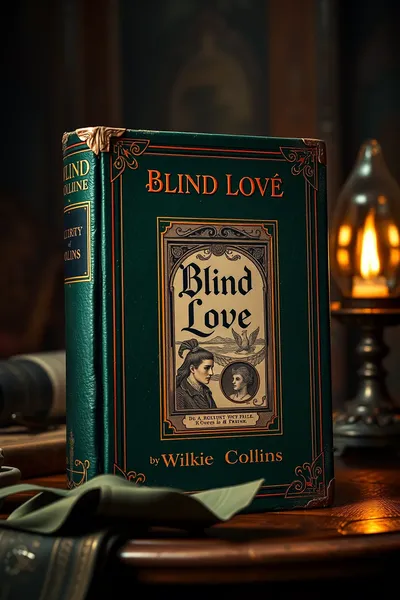
Blind Love

Blind Love

by Wilkie Collins

Wilkie Collins's 'Blind Love' is a gripping sensation novel, published posthumously in 1890, weaving a complex tale of intrigue, deception, and hidden identities. The plot often relies on characters' intuitive leaps and the uncovering of unseen truths, illustrating how perception can be clouded or sharpened by emotional attachments and secret motives.

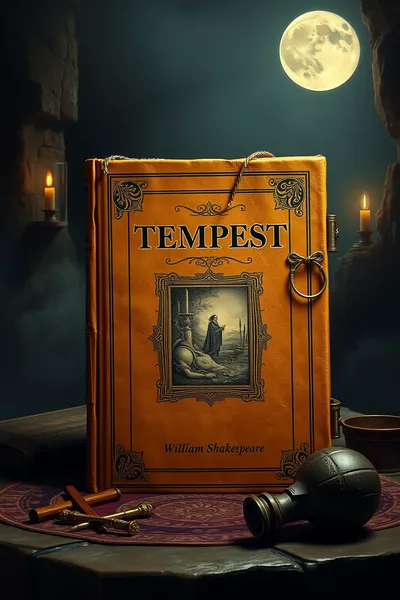
The Tempest

The Tempest

by William Shakespeare

William Shakespeare's 'The Tempest,' believed to be one of his last solo plays (circa 1610–1611), tells the story of Prospero, a sorcerer duke who uses magic to control spirits and manipulate events on a remote island. This play is a classic exploration of magical power, illusion, and the unseen forces that can shape human destiny, a powerful metaphor for Extrasensory Perception.

DESCENT V 1999

DESCENT V 1999

by descent

'DESCENT V 1999' is a digital artifact or publication from 1999. Without further context, its connection to Extrasensory Perception is speculative, but esoteric digital works often explore themes of hidden information, virtual realities, and new forms of perception or consciousness in the digital age, suggesting unseen layers of experience.

Glossary

Telepathy
The direct communication of thoughts, feelings, or ideas from one mind to another without the use of conventional sensory channels. It is a core aspect of Extrasensory Perception.
Clairvoyance
The alleged ability to perceive objects, persons, or events that are not present to the senses, often described as 'clear seeing.' It is a prominent form of Extrasensory Perception.
Precognition
The faculty of knowing or perceiving future events or information before they occur. This ability to see into the future is a fascinating aspect of Extrasensory Perception.
Psychokinesis
The alleged ability to move or manipulate physical objects or systems using only the power of the mind, without physical interaction. It represents mind over matter within Extrasensory Perception.
Parapsychology
The scientific study of paranormal and psychic phenomena, including Extrasensory Perception, psychokinesis, and survival after bodily death. It seeks to apply scientific methods to these elusive subjects.

FAQ

What is Extrasensory Perception?

Extrasensory Perception (ESP) refers to the alleged ability to acquire information or influence events without using the known physical senses or physical interaction. It encompasses phenomena like telepathy, clairvoyance, precognition, and psychokinesis, challenging conventional scientific understanding of reality and human capabilities.

How do I start with Extrasensory Perception?

Begin by exploring foundational texts on specific ESP abilities, such as C. W. Leadbeater's 'Clairvoyance,' to understand the concepts. Practice mindfulness and meditation to heighten awareness, and keep a dream journal to note any precognitive experiences. Openness to new ideas is key for exploring Extrasensory Perception.

What's the best book on Extrasensory Perception?

For a direct exploration of a specific ESP ability, C. W. Leadbeater's 'Clairvoyance' is highly recommended for its detailed, Theosophical perspective. However, the 'best' book depends on your specific interest, whether it's historical context, spiritualist accounts, or general theory of Extrasensory Perception.

Is Extrasensory Perception difficult to learn?

Developing Extrasensory Perception is often portrayed as requiring significant dedication, self-awareness, and sensitivity. While some individuals may have natural predispositions, consistent practice, meditation, and a receptive mindset are generally considered essential. Many texts suggest it's a process of uncovering inherent abilities rather than 'learning' something entirely new.

Can I download Extrasensory Perception books for free?

Yes, on Esoteric Library, you can download numerous public domain books on Extrasensory Perception for free. Our collection provides access to a wide range of historical and esoteric texts that explore various aspects of ESP, allowing you to freely explore these fascinating subjects.

Esoteric Library
Browse Esoteric Library
📚 All 16,000+ Books 🜍 Alchemy & Hermeticism 🔮 Magic & Ritual 🌙 Witchcraft & Paganism Astrology & Cosmology 🃏 Divination & Tarot 📜 Occult Philosophy ✡️ Kabbalah & Jewish Mysticism 🕉️ Mysticism & Contemplation 🕊️ Theosophy & Anthroposophy 🏛️ Freemasonry & Secret Societies 👻 Spiritualism & Afterlife 📖 Sacred Texts & Gnosticism 👁️ Supernatural & Occult Fiction 🧘 Spiritual Development 📚 Esoteric History & Biography
Esoteric Library
📑 Collections 📤 Upload Your Book
Account
🔑 Sign In Create Account
Info
About Esoteric Library