What is Ayurveda
Ayurveda, meaning 'science of life' in Sanskrit, is a traditional Indian system of medicine. It emphasizes balance within the body, mind, and spirit, achieved through diet, lifestyle, herbal remedies, and other natural practices. The core principles involve understanding individual constitution (doshas), identifying imbalances, and restoring harmony to promote health and prevent disease. It is a holistic approach that considers the interconnectedness of all aspects of well-being.
Best Books for Complete Beginners
For those new to Ayurveda, starting with accessible overviews is key. While no specific beginner titles are in the provided catalog, foundational texts introduce the core concepts of doshas (Vata, Pitta, Kapha) and their influence on health. Look for books that explain basic Ayurvedic principles in clear language, offering practical tips for daily living. Understanding the interplay of elements and their manifestation in the body is the first step towards applying Ayurvedic knowledge effectively.
Intermediate Reading
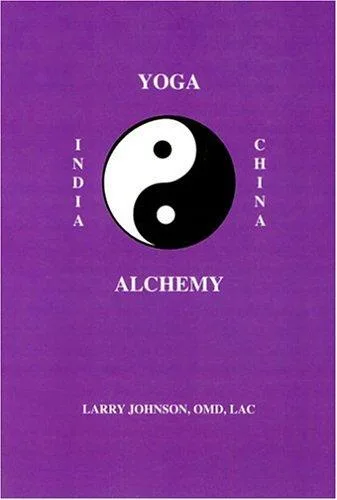
Moving beyond the basics, intermediate texts explore specific applications of Ayurveda. 'Ayurvedic Astrology' by Durgadas (Rodney Lingham) bridges two ancient systems, showing how celestial influences align with Ayurvedic principles. 'Yoga Alchemy' by Larry Johnson LAc; OMD connects yogic practices with Ayurvedic concepts, offering a path for deeper self-transformation. These books require a foundational understanding and provide pathways to integrate Ayurvedic knowledge into broader wellness practices.
Classical / Advanced Texts
Advanced study in Ayurveda often involves looking at specialized areas and classical treatises. 'Alchemy and Metallic Medicines in Ayurveda' addresses a complex and specific branch of Ayurvedic pharmacology, focusing on the use of mineral-based preparations. Texts like this require prior knowledge of fundamental Ayurvedic principles and medicinal preparations, offering in-depth exploration for serious students and practitioners.
Reading Order — Step by Step
Begin with general introductions to Ayurvedic principles, focusing on the doshas and daily routines. In Month 1, familiarize yourself with the core concepts. By Month 2, explore books that connect Ayurveda with related disciplines, such as 'Ayurvedic Astrology' by Durgadas (Rodney Lingham) or 'Yoga Alchemy' by Larry Johnson LAc; OMD, to see practical integrations. Month 3 and beyond can be dedicated to specialized areas like 'Alchemy and Metallic Medicines in Ayurveda' or exploring specific therapeutic approaches.
Frequently Asked Questions
Which Ayurveda book should I read first?
For a foundational understanding, look for introductory texts that clearly explain the three doshas (Vata, Pitta, Kapha) and basic lifestyle principles. While not explicitly listed as beginner guides, books that offer an overview of Ayurvedic studies or related practices can be a starting point.
What are the main principles of Ayurveda?
Ayurveda's main principles revolve around achieving balance through understanding individual constitution (Prakriti), managing the three doshas (Vata, Pitta, Kapha), optimizing digestive fire (Agni), eliminating toxins (Ama), and promoting harmony through diet, lifestyle, and herbal remedies.
How does Ayurveda relate to Yoga?
Ayurveda and Yoga are complementary sister sciences originating from the Vedic tradition. Yoga focuses on spiritual and physical discipline through asana, pranayama, and meditation, while Ayurveda addresses physical health and well-being through diet, herbs, and lifestyle. Both aim for holistic balance.
What is the significance of metallic medicines in Ayurveda?
Metallic medicines, often prepared through complex alchemical processes (Bhasma), are considered potent therapeutic agents in Ayurveda. They are believed to enhance the efficacy of herbal treatments and address deep-seated imbalances when prepared and administered correctly under expert guidance.
Can Ayurveda be used for modern health issues?
Yes, Ayurveda can be applied to modern health concerns by addressing root causes of imbalance rather than just symptoms. Its holistic approach to diet, lifestyle, stress management, and detoxification is relevant for preventing and managing many contemporary health challenges.
What is the difference between Prakriti and Vikriti?
Prakriti is your inherent, unique constitution determined at conception, representing a state of balance. Vikriti is your current state of imbalance, reflecting deviations from your Prakriti due to lifestyle, diet, or environmental factors. Ayurveda aims to bring Vikriti back towards Prakriti.