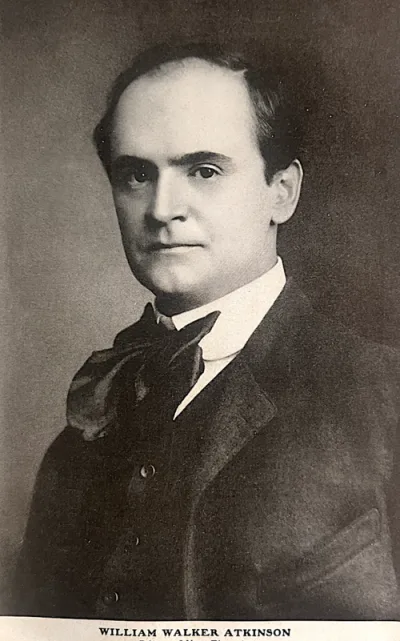
✍️ Author Biography
Harish Johari
📅 1934 – 1999
🌍 Indian
📚 13 free books
Cultural views on navel exposure have evolved, particularly in Western media and fashion, from taboo to greater acceptance.
The visibility of the midriff and navel in Western culture has undergone significant shifts. Historically, public display of the navel, especially by women, was considered immodest and was subject to censorship in film and television, as well as social taboos. This was particularly evident in early Hollywood under the Hays Code and in television broadcasting regulations.
Over time, societal perceptions changed, leading to increased acceptance. Fashion, music, and celebrity culture played a role in normalizing navel exposure. By the 1960s, restrictions began to loosen, and by the late 20th and early 21st centuries, styles like crop tops and low-rise clothing made midriff exposure common and fashionable. Despite this, some professional and educational settings continue to have dress codes that discourage it. The controversy surrounding navel exposure has largely diminished, becoming less of a focal point as general standards of modesty evolved.
Historical Censorship in Media
In Western media, particularly in the United States, the exposure of the female navel faced strict censorship for decades. The Hays Code, enforced in Hollywood films after 1934, and later the U.S. Code of Practices for Television Broadcasters, explicitly banned navel exposure. Actresses like Joan Collins and Marilyn Monroe had to employ creative methods, such as wearing jewels or strategically placed fabric, to circumvent these rules. Similarly, on television, shows like 'I Dream of Jeannie' saw actresses like Barbara Eden having their navels concealed. The National Legion of Decency also exerted pressure to limit revealing clothing on screen. This era reflected a strong cultural emphasis on modesty, where the navel was considered an intimate part of the body not suitable for public display.
Evolution of Acceptance and Fashion
The latter half of the 20th century witnessed a gradual liberalization of attitudes towards navel exposure. The 1960s marked a turning point, with films like 'Dr. No' featuring iconic bikini scenes that showcased the navel. The abandonment of the Hays Code and the waning influence of censorship bodies paved the way for increased body exposure in media. Fashion trends, notably the rise of the bikini, crop tops, and low-rise clothing beginning in the 1990s, further normalized midriff display. Celebrities like Madonna, Cher, and later Jennifer Lopez and Britney Spears, embraced and popularized these styles, making the bare midriff a significant fashion statement. This shift transformed the navel from a censored body part to a symbol of fashion and personal expression.
Cultural Significance and Modern Views
While once a significant point of contention, the exposure of the navel has become largely accepted in contemporary Western culture, though it is not without its critics and context-dependent appropriateness. The navel's visibility is now strongly linked to popular fashion trends like crop tops and low-rise jeans, and it has been celebrated in music and entertainment. Some cultural commentators have even discussed the navel's historical association with beauty and divinity. Despite widespread acceptance in casual and entertainment settings, certain environments, such as high schools and professional workplaces, often maintain dress codes that prohibit midriff-baring attire, indicating that societal norms, while evolved, still retain some boundaries regarding public display.
Key Ideas
- Cultural norms and taboos surrounding navel exposure vary significantly.
- Western cultures have transitioned from viewing navel exposure as immodest to greater acceptance.
- Censorship in film and television historically prohibited navel exposure.
- Fashion trends like crop tops and low-rise clothing have popularized midriff display.
- Celebrity influence has played a key role in normalizing navel exposure.
- Navel exposure remains subject to context-specific appropriateness in modern society.
Notable Quotes
“they had to glue it in every time. I got a terrible infection from it.”
“I guess the censors are willing to recognize that everybody has a navel.”
“What to show your wife in Scandinavia”
“There were so many things that were censored—ideas and words. All I know is I got in trouble for showing my belly button, and every time I turned around after I went off the air, all you saw were Cheryl Ladd's boobs”
“Pioneer of the Belly Beautiful”