The Novel and the Bizarre: Salvator Rosa's Scenes of Witchcraft
 79
79

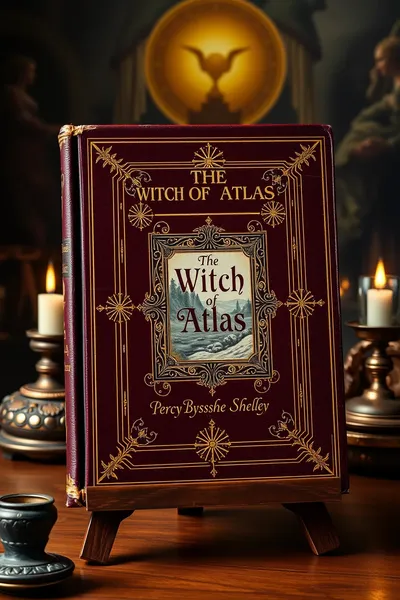
The Novel and the Bizarre: Salvator Rosa's Scenes of Witchcraft



Ophelia Vance (Mystical Literature Reviewer) — This exhibition catalogue is a treasure for those who tread the liminal spaces between art and the arcane. 'The Novel and the Bizarre' masterfully unpacks Salvator Rosa's 'Scenes of Witchcraft,' revealing not just artistic technique but a deep engagement with the occult currents of 17th-century Florence. The essays here offer profound insights into how Rosa employed satire and the grotesque to explore forbidden knowledge and societal anxieties surrounding witchcraft. It's an essential read for art historians with an esoteric bent, practitioners seeking visual meditations on primal forces, and anyone fascinated by the intersection of creativity and the mystical. A truly illuminating journey into the darker, more profound aspects of artistic expression.
📝 Description
79
Salvator Rosa's 17th-century witchcraft scenes are examined in this exhibition catalogue.
This catalogue accompanies a focused exhibition at The Cleveland Museum of Art, examining four canvases by the 17th-century Italian artist Salvator Rosa. These paintings, often depicting witchcraft and the macabre, reveal a complex interplay of satire and occult themes. The works suggest connections to Florentine esoteric traditions and the secret knowledge circulating in intellectual circles of the time.
The catalogue invites readers to look beyond the surface of Rosa's art. It proposes that his paintings function as visual representations of esoteric concepts, acting as a means to understand the human psyche and hidden aspects of existence. The focus is on how Rosa transformed the familiar into the strange, bringing forbidden subjects into view. The book aims to shed light on the role of the bizarre in art and its effect on our perception of reality and the unseen world.
The book situates Salvator Rosa's dramatic scenes of witchcraft within the context of 17th-century Italian intellectual life, where occult philosophies and secret societies were not uncommon. It suggests that Rosa's work may reflect an engagement with Florentine hermeticism or alchemical symbolism, traditions that sought hidden meanings in nature and art. The paintings are presented not merely as genre scenes but as visual arguments or coded messages, aligning with an esoteric worldview that valued hidden knowledge and spiritual transformation.
💡 Why Read This Book?
Uncover the esoteric symbolism embedded within Salvator Rosa's captivating witchcraft scenes. This collection offers a unique lens into 17th-century Florentine occult traditions, blending satire with the macabre. Ideal for art historians, practitioners of witchcraft and paganism, and seekers of hidden knowledge who appreciate the power of visual mysticism. Discover how art can illuminate the shadowed aspects of human experience and the unseen world.
⭐ Reader Reviews
Honest opinions from readers who have explored this book.
❓ Frequently Asked Questions
What is the primary focus of this exhibition?
The exhibition centers on four 'Scenes of Witchcraft' by the Italian artist Salvator Rosa, exploring their reflection of Florentine traditions of satire, burlesque, and the macabre, with an emphasis on their esoteric undertones.
What period does Salvator Rosa's work belong to?
Salvator Rosa was an Italian Baroque artist, active during the 17th century. His works often explored dramatic and unconventional themes.
How do these paintings relate to witchcraft?
The paintings depict scenes that were interpreted through the lens of witchcraft beliefs prevalent in Rosa's time, often used as a vehicle for social commentary and exploring darker aspects of human nature and the supernatural.
Is this a scholarly or a popular introduction to the topic?
This is a comprehensive exploration suitable for both scholars and enthusiasts with a deep interest in art history, occultism, and the metaphysical interpretations of art.
Where can I learn more about Salvator Rosa's other works?
While this exhibition focuses on specific pieces, further research into Salvator Rosa's broader oeuvre, particularly his 'Savage Scenes' and mythological subjects, will provide additional context for his artistic vision.
🔮 Key Themes & Symbolism
The Macabre and the Mystical
This theme examines Salvator Rosa's deliberate embrace of the grotesque and the unsettling as a means to explore profound existential questions and the veil between the mundane and the supernatural. His canvases become stages for dramatic confrontations with the unknown, where fear, fascination, and the allure of forbidden knowledge converge, inviting viewers to contemplate the darker currents of the human psyche and the hidden forces that shape reality.
Satire as Esoteric Commentary
Explore how Rosa employed sharp satire and burlesque to critique societal norms and religious dogma, often embedding his criticisms within seemingly fantastical or occult imagery. This approach allowed for a veiled commentary on power structures, hypocrisy, and the suppression of unconventional beliefs, making his art a coded language for those privy to its deeper, potentially heretical, meanings, thus functioning as a subtle form of esoteric communication.
Visualizing the Unseen World
This theme examines Rosa's unique ability to translate the intangible—superstition, fear, and the burgeoning understanding of the occult—into potent visual narratives. His 'Scenes of Witchcraft' are not mere illustrations but evocative conjurations, offering a glimpse into the collective unconscious and the archetypal fears and desires associated with the forbidden. The paintings serve as windows into a world perceived through the lens of magic, ritual, and the ever-present influence of unseen forces.
💬 Memorable Quotes
Direct passages from the work, attributed to the author.
“The bizarre is but a veil for deeper truths.”
— This highlights the idea that the unsettling or strange elements in Rosa's work are not merely for shock value, but serve to obscure and protect profound, perhaps forbidden, philosophical or mystical insights.
“Florentine wit danced with the infernal.”
— This evokes the spirit of the era, suggesting a clever and often ironic engagement with themes of hell, the devil, and witchcraft, where intellectual sharpness met the fascination with the underworld.
“Art as a cipher to the hidden cosmos.”
— This implies that Rosa's paintings function as a code or key, allowing the viewer to unlock a greater understanding of the universe, its mysteries, and its underlying spiritual architecture.
“The witch's sabbath, a mirror to our own hidden desires.”
— This suggests a psychological interpretation of witchcraft imagery, positing that these scenes reflect the suppressed or subconscious desires and primal urges within the human condition.
💡 Key Ideas
Editorial paraphrase of the work's core concepts — not direct quotes.
Within the shadows of the canvas, the arcane whispers.
This quote suggests that Rosa's art, particularly his darker scenes, contains hidden meanings and secrets that are revealed to those who look closely and with an open mind to the esoteric.
🌙 Esoteric Significance
Tradition
Rosa's work speaks to the broader Hermetic and Neoplatonic traditions that permeated Renaissance and Baroque thought, emphasizing hidden knowledge, spiritual correspondences, and the symbolic language of the universe. His engagement with witchcraft motifs can be viewed through the lens of folk magic, demonology, and the alchemical pursuit of hidden truths, reflecting a fascination with liminal states and the power of the subconscious, often intertwined with a critical or satirical stance towards established religious doctrines.
Symbolism
The symbolism in Rosa's witchcraft scenes is rich and complex. Elements such as distorted figures, nocturnal settings, arcane symbols, and interactions with animals often carry dual meanings, representing not only literal interpretations of sorcery but also allegorical representations of societal corruption, psychological turmoil, or the struggle between light and darkness. The witches themselves can symbolize societal outcasts, forbidden knowledge, or the primal, untamed forces of nature and the psyche.
Modern Relevance
In contemporary times, Rosa's 'Scenes of Witchcraft' hold relevance for their exploration of the uncanny, the power of visual metaphor in conveying complex ideas, and the enduring human fascination with the occult and the 'other.' For practitioners of esoteric arts, these paintings offer a rich source of visual inspiration and a historical perspective on witchcraft imagery. For scholars and general audiences, they provide a window into the historical psyche and the ways in which art can serve as a medium for confronting societal fears and exploring the mysteries of existence.
👥 Who Should Read This Book
This exhibition catalogue is a compelling read for art historians and scholars specializing in the Baroque period and the intersection of art and occultism. It will deeply appeal to practitioners of witchcraft, paganism, and other esoteric traditions seeking historical context and visual inspiration. Seekers of hidden knowledge and those fascinated by the darker, more unconventional aspects of human expression will find it informative. Beginners interested in the subject matter will find it an accessible yet profound introduction, while seasoned practitioners and academics will appreciate its depth and nuanced interpretations.
📜 Historical Context
The 17th century in Florence was a period of immense artistic and intellectual ferment, yet also one deeply steeped in superstition and religious scrutiny. Salvator Rosa emerged within this complex milieu, a painter known for his dramatic landscapes and increasingly unconventional subject matter. While the Baroque era celebrated grandeur and theatricality, Rosa often veered towards the melancholic, the savage, and the uncanny. His 'Scenes of Witchcraft' were likely informed by popular beliefs, demonological treatises, and perhaps even clandestine philosophical discussions circulating within intellectual circles. The period saw a heightened interest in the occult, alchemy, and the darker aspects of human experience, making Rosa's exploration of witchcraft a reflection of both societal anxieties and a burgeoning intellectual curiosity about the forbidden and the unknown. His work can be seen as a commentary on the tensions between reason and faith, the visible and the invisible, and the enduring power of myth in shaping perception.
📔 Journal Prompts
Reflect on a time you felt drawn to the 'bizarre' or unsettling in art or literature. What was the allure?
Imagine you are attending one of Salvator Rosa's depicted witchcraft gatherings. What sensory details would strike you most powerfully?
How does satire function as a tool for conveying forbidden or controversial ideas in art today?
Consider the concept of 'hidden knowledge.' How might an artist like Rosa attempt to communicate such knowledge through visual means?
Explore the connection between fear and fascination in relation to the occult. How does Rosa's art play with this dynamic?
🗂️ Glossary
Baroque
An artistic style prevalent in Europe from the early 17th to mid-18th century, characterized by drama, grandeur, emotional intensity, and elaborate ornamentation.
Burlesque
A literary or dramatic work that imitates the style of serious works but treats their subject in a trivial, humorous, or satirical way.
Esoteric
Intended for or likely to be understood by only a small number of people with a specialized knowledge or interest; mystical or secret.
Macabre
Having death as a subject; disturbing and horrifying because of involvement with or depiction of death and injury.
Hermeticism
A religious, philosophical, and esoteric tradition based primarily upon writings attributed to Hermes Trismegistus.
This book appears in 2 collections
🔮 Readers Also Liked
Browse all →
From the “Witchcraft” Collection
View all →
More Free Witchcraft & Paganism Books
View all →