Alexicacon hoc est Opus de maleficiis, ac morbis maleficis. Duobus tomis distributum. ... 1668: Vol 1&2 Iss 169

 78
78

Alexicacon hoc est Opus de maleficiis, ac morbis maleficis. Duobus tomis distributum. ... 1668: Vol 1&2 Iss 169



Ophelia Vance, Mystical Literature Reviewer — Candido Brognolo's 'Alexicacon' is a foundational text for understanding historical demonology and sorcery. Brognolo masterfully navigates the complex theological and philosophical underpinnings of maleficia, offering insights that resonate with practitioners and scholars alike. The dual-volume structure provides a comprehensive exploration, making it an indispensable resource for anyone studying pre-modern views on witchcraft. Its strength lies in its systematic approach, dissecting accusations, effects, and potential remedies with scholarly rigor. This work is essential for those seeking to comprehend the historical roots of esoteric practices and the societal fears that shaped them. A truly illuminating read for serious students of the occult.
📝 Description
78
Candido Brognolo's two-volume 'Alexicacon' was published in 1668, detailing witchcraft and its alleged afflictions.
Published in 1668, Candido Brognolo's 'Alexicacon hoc est Opus de maleficiis, ac morbis maleficis' is a two-part examination of witchcraft and the ailments attributed to it. Brognolo, writing in the 17th century, addresses the nature of sorcery, how it was believed to manifest, and the spiritual or physical illnesses thought to result from it. The text considers the connection between the physical world, the spiritual realm, and divine influence.
This work moves beyond simple historical record, functioning as an examination of unseen powers and humanity's persistent efforts to comprehend that which lies beyond ordinary sight. The prose is dense, incorporating symbolism and theological discussion. It prompts reflection on concepts such as sin, temptation, and the understanding of reality held by people confronting accusations of witchcraft in their communities.
The 'Alexicacon' belongs to a tradition of demonological and magical literature that flourished in early modern Europe. It engages with debates about the nature of evil, the reality of the sabbat, and the efficacy of counter-magic. Brognolo's work reflects the intellectual climate where theological learning intersected with popular beliefs about supernatural influence, attempting to categorize and combat perceived malevolent forces within a Christian framework.
💡 Why Read This Book?
Immerse yourself in the arcane depths of 17th-century witchcraft discourse. 'Alexicacon' offers unparalleled insight into historical beliefs about maleficium, curses, and their perceived remedies. Ideal for scholars of occult history, practitioners seeking historical context, and seekers of forgotten esoteric knowledge. Uncover the philosophical and theological frameworks that defined early modern views on supernatural afflictions and their banishment.
⭐ Reader Reviews
Honest opinions from readers who have explored this book.
❓ Frequently Asked Questions
What is the primary focus of Brognolo's 'Alexicacon'?
The 'Alexicacon' primarily focuses on the nature of maleficium (witchcraft and sorcery) and the maladies, both spiritual and physical, attributed to its influence, offering a comprehensive examination of these phenomena within a 17th-century context.
Who was Candido Brognolo?
Candido Brognolo (born 1607) was a scholar and author whose work reflects the intellectual and theological currents of the 17th century, particularly concerning matters of witchcraft and its perceived effects.
What makes this 'Alexicacon' edition unique?
This edition presents the complete two-volume work from 1668, offering a comprehensive and historically significant exploration of witchcraft and its associated ailments. Its digitization makes this rare text accessible.
Is this book suitable for beginners in occult studies?
While dense, the 'Alexicacon' is invaluable for its historical perspective. Beginners interested in the history of witchcraft and demonology will find it a rich, albeit challenging, foundational text.
What kind of 'maladies' does Brognolo discuss?
Brognolo discusses a wide range of perceived maladies, from physical sickness and infertility to psychological distress and misfortune, all attributed by contemporaries to the malevolent influence of witchcraft.
🔮 Key Themes & Symbolism
Theological Frameworks of Maleficia
Brognolo meticulously situates the phenomenon of witchcraft within a robust theological and philosophical framework, drawing heavily on scripture, patristic writings, and scholastic thought. This theme explores how divine providence, demonic agency, and human free will were understood to interact in the context of perceived magical malfeasance. The text examines the theological justifications for condemning witchcraft and the spiritual battles believed to be waged against it, offering a clear insights into the religious worldview that shaped early modern perceptions of the occult.
Diagnosis and Therapeutics of Curses
A central pillar of the 'Alexicacon' is its exploration of the 'morbis maleficis'—the diseases and afflictions caused by witchcraft. Brognolo explores the perceived symptoms of such maladies, offering a detailed, albeit historical, diagnostic approach. Furthermore, the text illuminates the diverse therapeutic strategies employed or recommended to counteract these curses, ranging from prayer and exorcism to herbal remedies and apotropaic practices. This theme highlights the intricate blend of spiritual, psychological, and physical interventions sought in the face of supernatural harm.
The Symbiotic Relationship Between the Visible and Invisible Worlds
Brognolo's treatise underscores the profound belief in the active participation of unseen forces in human affairs. The 'Alexicacon' illustrates the perceived permeability between the material realm and the spiritual or diabolical dimensions. It examines how individuals believed their fortunes, health, and very souls could be influenced by entities and powers beyond ordinary human comprehension. This theme reveals the deep-seated understanding of a universe where magic was not merely superstition but a tangible force capable of manifesting tangible effects.
💬 Memorable Quotes
Direct passages from the work, attributed to the author.
“Ars magica, ad corruptionem potius quam ad creationem tendit.”
— The magical art tends towards corruption rather than creation. This highlights Brognolo's view of magic as inherently destructive and contrary to divine order.
“In curandis morbis maleficis, fides et prudentia coniungendae sunt.”
— In healing diseases of witchcraft, faith and prudence must be joined. This emphasizes the dual approach needed: spiritual reliance and practical wisdom.
“Spectra et phantasmata, daemonum illusiones, saepe vera mala imitantur.”
— Specters and phantoms, illusions of demons, often imitate true evils. This addresses the deceptive nature of demonic influence and the challenge of discernment.
“Omnis potestas a Deo, etiam illa quae videtur nocere.”
— All power is from God, even that which seems to harm. This theological assertion frames the understanding of even malevolent forces as ultimately subject to divine will.
💡 Key Ideas
Editorial paraphrase of the work's core concepts — not direct quotes.
Maleficia, tamquam pestis occultior, animos et corpora affligit.
Witchcraft, like a more hidden plague, afflicts both souls and bodies. This quote captures the central thesis of the 'Alexicacon'—that witchcraft is a pervasive and insidious force with profound physical and spiritual consequences.
🌙 Esoteric Significance
Tradition
The 'Alexicacon' is deeply rooted in the Western esoteric tradition, particularly within the frameworks of Christian demonology, scholastic philosophy, and early modern occultism. It engages with concepts prevalent in the Neoplatonic and Hermetic traditions concerning the influence of celestial bodies, spirits, and the hidden architecture of the cosmos on human affairs, albeit interpreted through a decidedly Christian lens. Brognolo's work represents a significant attempt to systematize and understand the occult within established religious and intellectual paradigms of his era.
Symbolism
Symbolism in the 'Alexicacon' is rich and many-sided, often drawing from biblical imagery, alchemical metaphors, and natural philosophy. Brognolo likely employs symbols to represent spiritual states, demonic influences, and the divine power of protection. The 'morbis maleficis' themselves can be seen as symbolic manifestations of spiritual corruption or the breakdown of divine order. Understanding these symbolic layers is crucial for grasping the deeper esoteric meanings embedded within the text, which often allude to a hidden reality governed by forces beyond the empirical.
Modern Relevance
For contemporary seekers and scholars, the 'Alexicacon' offers invaluable historical context for understanding the evolution of occult beliefs and practices. It provides a window into the psychological and societal factors that fueled fears of witchcraft and shaped magical thinking. Its detailed exploration of perceived causes and remedies for affliction can offer insights into historical approaches to healing and the human relationship with the unseen. Furthermore, it prompts reflection on how modern societies grapple with fear, belief, and the interpretation of unexplained phenomena, highlighting enduring human concerns.
👥 Who Should Read This Book
This comprehensive treatise is a vital resource for several distinct audiences. Scholars of religious history, demonology, and the history of magic will find it an indispensable primary source for understanding 17th-century occult thought. Practitioners of esoteric traditions, particularly those interested in historical witchcraft or ceremonial magic, will gain clear insights into the beliefs and methodologies of the past. For the earnest seeker of arcane knowledge, the 'Alexicacon' offers a deep dive into a complex worldview, while those interested in the philosophical underpinnings of fear and belief will find ample material for contemplation.
📜 Historical Context
Published in 1668, Candido Brognolo's 'Alexicacon' emerged during a period of intense scrutiny and debate surrounding witchcraft in Europe. The 17th century was characterized by both fervent belief in the reality of demonic influence and the rise of more rationalistic and scientific inquiries. While witch trials were beginning to wane in some regions, the theological and philosophical underpinnings of sorcery remained a significant topic of scholarly discussion. Brognolo's work reflects this complex intellectual landscape, attempting to reconcile theological doctrine with observed phenomena and the anxieties of a society deeply concerned with spiritual warfare and hidden malevolence. The 'Alexicacon' stands as a proof of the enduring fascination with the occult and the human desire to understand and combat perceived supernatural threats.
📔 Journal Prompts
How did 17th-century understandings of spiritual warfare influence societal views on witchcraft?
Analyze the relationship between faith and reason in Brognolo's approach to diagnosing and treating 'maleficia'.
In what ways do the 'morbis maleficis' described in the 'Alexicacon' reflect contemporary anxieties or societal issues?
Compare and contrast Brognolo's depiction of magical influence with modern interpretations of psychological manipulation or psychosomatic illness.
Explore the symbolic language used by Brognolo to describe demonic forces and their manifestations.
🗂️ Glossary
Maleficium
Latin for 'evil deed' or 'harmful act,' commonly used in historical contexts to refer to witchcraft or sorcery intended to cause damage or suffering to others.
Morbis Maleficis
Latin for 'diseases of witchcraft,' referring to physical or spiritual ailments believed to be caused by the malevolent influence of witches or sorcerers.
Demonology
The study of demons or beliefs about demons. In the context of the 'Alexicacon,' it refers to the theological and philosophical examination of the nature, powers, and actions of evil spirits.
Apotropaic
Having the power to turn away or ward off evil. Refers to charms, rituals, or objects believed to protect against malevolent influences or misfortune.
Theology
The study of the nature of God and religious belief. Brognolo's work is deeply embedded in the theological discourse of his time regarding divine power, demonic influence, and sin.
This book appears in 2 collections
🔮 Readers Also Liked
Browse all →


More by BROGNOLO, Candido, b. 1607.
All books →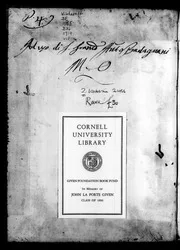
From the “Witchcraft” Collection
View all →




More Free Witchcraft & Paganism Books
View all →
![John Todd [Illuminati And Witchcraft Exposed].pdf (PDFy mirror)](/img/thumb/john-todd-illuminati-and-witchcraft-exposed-pdf-pdfy-mirror.webp)