Vagusnerv und Chakras im Einklang
 76
76

Vagusnerv und Chakras im Einklang
C. J. Llewelyn's work offers a compelling synthesis of neurobiology and esoteric anatomy, specifically focusing on the vagus nerve and chakras. The strength lies in its clear articulation of how a physical structure like the vagus nerve might interact with energetic centers. A particularly insightful section details the vagus nerve's passage through the chest region, correlating it with the heart and throat chakras. However, the book could benefit from more extensive references to specific trauma-informed therapeutic modalities beyond general explanations. The primary limitation is a tendency to present hypotheses as established fact without sufficient empirical backing for the direct neurological-energetic links proposed. Nevertheless, the exploration of self-healing through this dual lens provides a valuable perspective for holistic practitioners. It is a promising, if occasionally speculative, contribution to mind-body literature.
📝 Description
76
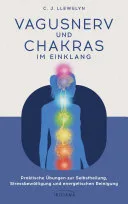
C. J. LLewelyn's 2022 work connects the vagus nerve directly to the body's seven chakras.
Vagusnerv und Chakras im Einklang proposes a direct link between the tenth cranial nerve, the vagus nerve, and the body's primary energetic centers, the chakras. LLewelyn suggests the vagus nerve acts as a primary communication channel that interfaces with these seven energy zones. The book details how this neurological-energetic connection can be consciously used to improve well-being.
This text is for those seeking to unify physical and spiritual health. It will appeal to practitioners of mind-body disciplines, therapists interested in trauma-informed healing, and anyone curious about the physiological basis of spiritual experiences. The work synthesizes current neurobiology with established concepts of subtle energy systems, moving beyond solely physiological or spiritual viewpoints.
The central idea is to activate natural self-healing abilities. By understanding the interaction between the vagus nerve's pathways and the energetic resonance of the chakras, readers can learn practical methods. The goal is to increase personal control over health and emotional regulation, merging neurological and spiritual understanding.
This book fits within contemporary esoteric thought that seeks to bridge scientific understanding with ancient energetic models. It draws parallels between Western neurophysiology, specifically the autonomic nervous system, and Eastern chakra systems. The work aims to provide a tangible, physiological basis for practices often described in mystical or spiritual terms, integrating concepts like bioenergetics and somatic awareness with traditional chakra theory.
💡 Why Read This Book?
• Gain practical techniques for modulating the vagus nerve to influence chakra states, directly applicable for stress reduction and emotional balance. • Understand the physiological basis for energetic imbalances by exploring the vagus nerve's connection to the autonomic nervous system, as detailed in the book's neurological sections. • Discover how trauma processing, as discussed by trauma therapist C. J. Llewelyn, can be integrated with chakra work for comprehensive self-healing.
⭐ Reader Reviews
Honest opinions from readers who have explored this book.
❓ Frequently Asked Questions
What is the vagus nerve's primary function according to the book?
The book identifies the vagus nerve, or tenth cranial nerve, as the body's central communicator, linking vital systems and organs. It's presented as the key neurological pathway that connects to the energetic centers of the body.
How does the book connect the vagus nerve to chakras?
It explains that the vagus nerve physically traverses the areas corresponding to the seven main chakras. This anatomical proximity is the basis for exploring their interconnectedness and mutual influence on health and consciousness.
Who is the author, C. J. Llewelyn?
C. J. Llewelyn is identified as a trauma therapist. Their professional background informs the book's approach to self-healing, integrating neurological understanding with spiritual concepts.
What is the main benefit of understanding the vagus nerve and chakras together?
The primary benefit highlighted is the activation of self-healing potential. By harmonizing these two systems, individuals can achieve greater control over their physical and emotional well-being.
When was 'Vagusnerv und Chakras im Einklang' first published?
The book was first published on May 15, 2024. This recent publication date indicates a contemporary perspective on the subject matter.
What kind of practices does the book suggest for self-healing?
While specific practices are detailed within, the book generally suggests methods that involve consciously influencing the vagus nerve to promote balance within the chakra system, thereby fostering innate healing.
🔮 Key Themes & Symbolism
Vagus Nerve as Energetic Conduit
The work posits the vagus nerve not just as a biological structure but as a conduit for subtle energies. It details how this tenth cranial nerve's extensive network, reaching from the brainstem to the abdomen, aligns with the energetic pathways of the chakras. This perspective reinterprets autonomic nervous system regulation through an esoteric lens, suggesting that conscious awareness of the vagus nerve's activity can directly impact the vitality and balance of the seven major energy centers.
Chakra System and Neurological Correlates
This theme explores the established chakra system from a neurobiological standpoint. Llewelyn identifies potential physiological correlates for each chakra, particularly linking the vagus nerve's physical course to the heart, solar plexus, and root chakras. The book examines how emotional states and physical health, often associated with chakra imbalances, can be understood through the lens of vagal tone and parasympathetic nervous system activity.
Trauma-Informed Self-Healing
Drawing on C. J. Llewelyn's expertise as a trauma therapist, this theme focuses on how unresolved trauma impacts both the nervous system and energetic body. The book proposes that by working with the vagus nerve and chakras in tandem, individuals can access deeper layers of healing. It suggests that releasing stored trauma energy is facilitated by a balanced neurological-energetic state, offering a pathway to greater resilience and integration.
Integration of Science and Spirituality
A central theme is the reconciliation of modern neuroscience with ancient spiritual concepts. The book argues against a dichotomy between the physical and the metaphysical, presenting them as complementary aspects of a unified reality. By grounding esoteric practices in neurological functions, it aims to make these concepts more accessible and verifiable for a contemporary audience interested in holistic well-being.
💬 Memorable Quotes
Direct passages from the work, attributed to the author.
“The vagus nerve connects all vital systems and organs, and also runs through the seven subtle energy centers.”
— This statement highlights the core premise of the book: the physical pathway of the vagus nerve serves as a bridge between the body's observable biological functions and its less tangible energetic anatomy.
“Activating self-healing through neurology and spirituality.”
— This captures the book's practical aim, suggesting that by understanding and influencing both the nervous system and spiritual energy centers, individuals can tap into their innate capacity for recovery and well-being.
“The vagus nerve is the great communicator.”
— This metaphor emphasizes the vagus nerve's a central role in transmitting information throughout the body, underscoring its importance in maintaining homeostasis and facilitating the mind-body connection central to the book's thesis.
“Trauma therapist C. J. Llewelyn explains the collaboration.”
— This points to the author's specific expertise and the book's unique angle: applying trauma-informed principles to the intersection of neurological and spiritual healing modalities.
“Enormous opportunities for self-healing and personality development.”
— This suggests the profound potential benefits readers can achieve by applying the book's teachings, promising not only physical and emotional healing but also personal growth and transformation.
🌙 Esoteric Significance
Tradition
This work engages with the broad esoteric tradition that views the human being as a composite of physical, energetic, and spiritual bodies. While not strictly adhering to a single lineage like Hermeticism or Gnosticism, it draws heavily on the chakra system prominent in yogic and Tantric traditions, reinterpreting its function through the lens of modern Western neurology. It represents a contemporary attempt to bridge Eastern energetic concepts with Western scientific understanding.
Symbolism
The primary symbols are the Vagus Nerve itself, representing the communication bridge between the physical and subtle realms, and the Chakras, symbolizing distinct energetic centers governing different aspects of human experience. The book likely interprets the flow and balance of energy through these centers as indicative of overall health and spiritual development, with blockages signifying areas needing attention.
Modern Relevance
Contemporary thinkers and practitioners in fields such as somatic psychology, trauma therapy (like Peter A. Levine's Somatic Experiencing), and integrative medicine are increasingly exploring the physiological underpinnings of emotional states. This book appeals to modern interest in biofeedback, mindfulness, and polyvagal theory, offering a spiritual dimension to scientific discoveries about nervous system regulation and its impact on well-being.
👥 Who Should Read This Book
['• Individuals interested in holistic health practices seeking to understand the biological basis of energetic work, including practitioners of yoga and meditation.', '• Therapists and counselors, particularly those in trauma-informed or somatic modalities, looking for new frameworks to explain mind-body phenomena to clients.', '• Readers curious about the intersection of neuroscience and spirituality, wanting to explore how physical nerve pathways might relate to esoteric energy systems.']
📜 Historical Context
The early 21st century has seen a surge in popular interest in the mind-body connection, moving beyond the New Age movements of the late 20th century. Works like Llewelyn's emerge in an era where scientific validation is increasingly sought for esoteric concepts. While figures like Walter Cannon established the concept of homeostasis in the 1920s and Hans Selye later detailed stress responses, contemporary research into the vagus nerve's impact on mood and inflammation has gained significant traction since the 2000s. This book arrives in a landscape where concepts like neuroplasticity and somatic experiencing are becoming mainstream. It stands apart from purely physiological texts by integrating these with ancient chakra traditions, a synthesis that builds upon, yet diverges from, the more abstract explorations found in early 20th-century Theosophy or the more rigid energetic models proposed by figures like Richard Wilhelm in his commentary on the I Ching.
📔 Journal Prompts
Vagal tone and its perceived influence on the heart chakra.
The energetic resonance of the vagus nerve's path through the torso.
Personal experiences of self-healing linked to neurological regulation.
The mind-body connection as explored through the vagus nerve.
Chakra awareness and its potential correlation with autonomic states.
🗂️ Glossary
Vagus Nerve
The tenth cranial nerve, extending from the brainstem to the abdomen. It plays a central role in the parasympathetic nervous system, controlling functions like heart rate, digestion, and respiratory rate, and is considered a primary link between the brain and body.
Chakras
In esoteric traditions, particularly Hinduism and Buddhism, chakras are understood as energy centers located within the subtle body. There are typically seven main chakras, each associated with specific psychological, emotional, and physical functions and colors.
Autonomic Nervous System (ANS)
The part of the nervous system responsible for involuntary bodily functions, such as heart rate, breathing, digestion, and blood pressure. It comprises the sympathetic (fight-or-flight) and parasympathetic (rest-and-digest) divisions.
Parasympathetic Nervous System
The division of the ANS primarily responsible for calming the body, conserving energy, and promoting functions like digestion and heart rate slowing. The vagus nerve is its principal component.
Self-Healing
The body's innate capacity to repair itself and restore balance. This concept, explored in the book, involves activating both physiological repair mechanisms and energetic alignment for optimal health.
Trauma Therapy
A range of therapeutic approaches designed to help individuals process and recover from traumatic experiences. The book suggests integrating these principles with energetic and neurological understanding.
Subtle Energy
A concept found in many spiritual and esoteric traditions referring to non-physical energies that are believed to animate living beings and influence consciousness, often associated with concepts like chi, prana, or qi.