The 7 Chakras Balancing, Colors and Meaning
 71
71

The 7 Chakras Balancing, Colors and Meaning
M.A. Hill’s "The 7 Chakras Balancing, Colors and Meaning" arrives as a clear, if somewhat conventional, primer on a popular esoteric topic. The strength of the book lies in its straightforward presentation of the seven main chakras, offering accessible explanations for their colors, associated meanings, and basic functions. Hill successfully connects the concept of chakra balance to the observable phenomenon of the aura, providing a tangible link for readers new to energetic anatomy. However, the work occasionally leans towards generalized advice, particularly in its later sections, which could benefit from more specific practices or historical context. A notable passage discusses the solar plexus chakra (Manipura) as the seat of personal power; while accurate, the explanation could be enriched with examples of how imbalances manifest beyond a general feeling of low self-esteem. It serves as a competent introduction, but experienced practitioners may seek deeper explorations elsewhere. Ultimately, it's a functional guide for those beginning their journey with chakra awareness.
📝 Description
71
M.A. Hill's 2014 book, The 7 Chakras Balancing, Colors and Meaning, explains the body's energy centers.
Published in 2014, M.A. Hill's work examines the seven primary energy centers within the human body, known as chakras. These are described as spinning wheels of light that influence physical, emotional, and spiritual health. The book details how each chakra connects to specific bodily areas, psychological states, and energetic frequencies.
The text further discusses the aura, an energetic field extending from the body, as being directly shaped by the condition of the chakras. Recognizing this relationship is presented as a path toward increased self-awareness and a more settled life. Hill emphasizes the interconnectedness of the physical and spiritual through this system, suggesting that balancing the chakras can strengthen the link between one's material life and inner spiritual experience.
Beyond theory, the book offers practical approaches to engaging with the chakras. It outlines how understanding the colors, meanings, and locations of each center allows readers to apply methods for harmonizing their energy. This knowledge is intended to empower individuals to take an active role in their personal health and spiritual growth.
This book addresses the chakra system, a concept central to various Tantric traditions originating in India, particularly within Hinduism and Buddhism. Chakras are understood as energy vortices that govern physical and psychic functions. Their study is often linked to practices aimed at spiritual development, energy manipulation, and achieving states of higher consciousness. The book's focus on balancing these centers and their connection to the aura places it within a broader stream of spiritual literature concerned with subtle anatomy and energetic healing.
💡 Why Read This Book?
• Gain a clear understanding of the seven primary chakras, their specific colors, and their energetic meanings as detailed in the book's foundational explanations, enabling a more informed approach to personal energy work. • Learn how the state of your chakras influences your aura, as explained through the book’s concept of energetic vibrations extending beyond the physical body, offering insights into energetic self-perception. • Discover the foundational connection between physical well-being and spiritual health through the lens of chakra balancing, providing practical pathways to integrate mind, body, and spirit as outlined by M.A. Hill’s 2014 publication.
⭐ Reader Reviews
Honest opinions from readers who have explored this book.
❓ Frequently Asked Questions
What are the 7 chakras according to M.A. Hill?
M.A. Hill's "The 7 Chakras Balancing, Colors and Meaning" identifies seven primary energy centers within the body. These are fundamental for well-being, influencing physical and spiritual health when open and balanced. The book details their individual meanings and connections.
How does chakra balancing relate to the aura?
The book explains that when the seven chakras are balanced, they emit vibrations that create a colored layer around the body, known as the aura. This energetic field reflects the state of the chakras, suggesting a direct link between internal energy and external energetic manifestation.
What is the main benefit of understanding the 7 chakras?
Understanding the main seven chakras, as presented in M.A. Hill's work, is intended to improve overall well-being. It facilitates the connection between the physical and spiritual bodies, potentially leading to healthier and longer lives by harmonizing energy flow.
When was "The 7 Chakras Balancing, Colors and Meaning" first published?
M.A. Hill's book, "The 7 Chakras Balancing, Colors and Meaning," was first published on August 18, 2014. This provides a contemporary context for its exploration of chakra theory.
What colors are associated with the 7 chakras?
While the book extensively covers the colors associated with each of the seven chakras, it details the spectrum from the root chakra (often red) to the crown chakra (often violet or white), linking each hue to specific energetic properties and meanings.
Is this book suitable for beginners interested in chakras?
Yes, "The 7 Chakras Balancing, Colors and Meaning" is designed as an introductory text. It clearly explains the fundamental concepts of the seven chakras, their colors, and their significance for individuals new to esoteric energy systems.
🔮 Key Themes & Symbolism
Chakra Energy Centers
The work centers on the concept of seven primary chakras, understood as energetic vortexes within the subtle body. Each chakra is presented with its associated color, location, and specific psychological and physical functions. The book posits that these energy centers are vital for maintaining equilibrium, influencing everything from our physical health to our emotional states and spiritual connection. The text emphasizes that an imbalance in one chakra can ripple through the entire system, underscoring the importance of holistic energetic awareness for overall well-being.
Aura and Energetic Vibrations
A significant theme explored is the relationship between the chakras and the aura. The book explains that when chakras are balanced and open, they radiate specific frequencies and vibrations. These energetic emanations extend outwards, forming a protective energetic field known as the aura. The colors observed in the aura are directly linked to the state and activity of the underlying chakras, serving as a visual indicator of an individual's energetic health and disposition.
Mind-Body-Spirit Connection
The foundational principle underpinning the book is the interconnectedness of the physical, mental, and spiritual aspects of a person, mediated by the chakra system. By understanding and balancing these energy centers, individuals can foster a more integrated existence. This integration is presented not merely as a philosophical concept but as a practical pathway to achieving greater vitality, emotional stability, and a deeper sense of spiritual alignment, leading to potentially longer and healthier lives.
Color Symbolism and Meaning
Color plays an important role in identifying and working with the chakras. The book details the specific color spectrum associated with each of the seven main chakras, from the red of the root chakra to the violet or white of the crown. Each color is imbued with symbolic meaning, representing the unique energetic qualities and functions of its corresponding chakra. This symbolic language of color provides a framework for understanding and influencing energetic states.
💬 Memorable Quotes
Direct passages from the work, attributed to the author.
“The 7 chakras are energy centers that are fundamental for our well-being.”
— This foundational statement highlights the book's core premise: that these energetic hubs are not peripheral but essential components of a healthy, balanced existence, directly impacting our overall state of being.
“When the 7 chakras are open and properly balanced, they produce frequencies and vibrations that travel outside our body creating a layer of color around us, also known as aura.”
— This explains the mechanism by which internal energetic states manifest externally. It links chakra health directly to the observable phenomenon of the aura, suggesting that our energetic output is a reflection of our internal balance.
“By understanding the main 7 chakras, we can improve our lives...”
— This interpretation emphasizes the practical, empowering aspect of chakra knowledge. It suggests that acquiring this understanding is not merely academic but a tool for active self-improvement and life enhancement.
💡 Key Ideas
Editorial paraphrase of the work's core concepts — not direct quotes.
...and connect our physical body to our spiritual body.
This paraphrase points to the integrative function of the chakras. They act as a bridge, facilitating a cohesive experience between our material existence and our inner spiritual nature, essential for holistic health.
This will in turn, enable us to lead longer and healthier lives.
This final paraphrase underscores the ultimate benefit of chakra work as presented in the book: the potential for enhanced longevity and a superior quality of life, achieved through energetic alignment.
🌙 Esoteric Significance
Tradition
This work draws heavily from the yogic traditions of India, specifically the Tantric and Hatha Yoga lineages that conceptualize chakras as energy centers within the subtle body. While the book simplifies these complex philosophical and practical systems for a modern Western audience, it aligns with the broader esoteric Hermetic principle of "As Above, So Below," by linking internal energetic states to external manifestations (the aura) and physical well-being.
Symbolism
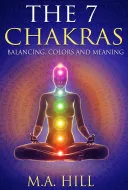
The primary symbolism revolves around the seven chakras themselves, each represented by a specific color and located along the spine. Red for Muladhara (root), Orange for Svadhisthana (sacral), Yellow for Manipura (solar plexus), Green for Anahata (heart), Blue for Vishuddha (throat), Indigo for Ajna (third eye), and Violet/White for Sahasrara (crown). These colors are not merely aesthetic but are symbolic of the energetic qualities and functions associated with each center, from grounding and creativity to intuition and spiritual connection.
Modern Relevance
Contemporary practices in holistic health, energy healing modalities (like Reiki and crystal healing), and many forms of modern yoga and mindfulness draw directly from the chakra model. Thinkers and practitioners in these fields often reference the core concepts presented in books like Hill's to explain energetic imbalances and guide therapeutic interventions, making the chakra system a persistent and evolving element in 21st-century wellness culture.
👥 Who Should Read This Book
• Individuals new to the concept of energy work and spiritual anatomy seeking a clear, introductory guide to the seven main chakras and their significance. • Wellness practitioners and yoga instructors looking for a straightforward resource to explain chakra basics to their clients or students, offering accessible language and core concepts. • Anyone interested in exploring the connection between their emotional states, physical health, and spiritual development through the framework of energetic centers.
📜 Historical Context
Published in 2014, M.A. Hill's "The 7 Chakras Balancing, Colors and Meaning" emerged within a burgeoning Western interest in Eastern esoteric traditions, particularly yoga and meditation, which had gained significant traction since the mid-20th century. The popularization of chakra theory in the West owes much to figures like Alice Bailey and Rudolf Steiner, who introduced and adapted these concepts from Indian yogic philosophy for Western audiences in the early to mid-20th century. Hill's work can be seen as part of a broader contemporary movement seeking accessible explanations for these complex energetic systems, often presented in a format that appeals to those exploring New Age spirituality or alternative wellness practices. While not directly engaging with academic spiritualism or more rigorous philosophical schools like Theosophy, the book taps into a widespread desire for self-understanding and personal empowerment through energetic alignment. Its straightforward approach contrasts with more dense, scholarly texts, aiming for a broad audience seeking practical application rather than deep philosophical debate.
📔 Journal Prompts
Reflect on the Manipura (solar plexus) chakra's association with personal power and identify one situation where this power felt diminished.
Consider the color symbolism of the Anahata (heart) chakra and how its green frequency might influence your interactions.
Explore the concept of the aura as a manifestation of your balanced chakras; what colors do you imagine it to be?
How does the connection between the physical and spiritual bodies, facilitated by the chakras, influence your daily life?
Write about the frequencies and vibrations emitted by an open chakra and their potential outward effects.
🗂️ Glossary
Chakra
From Sanskrit, meaning 'wheel' or 'vortex.' In esoteric traditions, chakras are understood as centers of spiritual, physical, and emotional energy located along the subtle body's central axis.
Aura
An energetic field or emanation surrounding a living being, believed to be composed of subtle vibrations and colors that reflect the individual's physical, emotional, and spiritual state.
Energy Centers
Synonymous with chakras, these are points or nodes in the subtle body through which life force (prana) flows. They are considered crucial for maintaining balance and health.
Frequencies
In the context of chakras and the aura, frequencies refer to the specific vibrational rates associated with each energy center and its energetic output, often linked to particular colors and states of being.
Vibrations
The subtle movements or oscillations that constitute energetic phenomena. The book suggests that balanced chakras produce harmonious vibrations that extend outwards, influencing the aura.
Well-being
A state of holistic health encompassing physical vitality, emotional equilibrium, mental clarity, and spiritual connection, which the book posits is directly influenced by the state of the chakras.
Spiritual Body
The non-physical aspect of a person, often considered the seat of consciousness, intuition, and higher awareness, which is connected to the physical body via the chakra system.