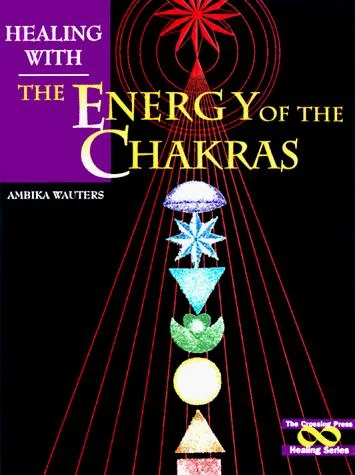
Healing with the energy of the chakras
 71
71

Healing with the energy of the chakras
Ambika Wauters' approach to the chakra system, as presented in "Healing with the energy of the chakras," is commendably thorough for its 1998 publication date. The strength lies in its detailed mapping of each chakra, linking them to specific physical locations, colors, sounds, and emotional states, providing a robust framework for self-inquiry. A notable limitation, however, is the occasional tendency towards generalized advice that could benefit from more nuanced practical application. The section on the Ajna chakra, for instance, effectively describes its role in intuition and perception, yet the suggested practices, while sound, could be expanded to address a wider range of energetic blockages. The work ultimately serves as a solid, if somewhat conventional, primer on chakra energetics.
📝 Description
71
Ambika Wauters' 1998 book explains the body's subtle energy centers.
Ambika Wauters' "Healing with the energy of the chakras," published in 1998, details the seven primary energy centers along the spine. The book explains how these energetic anatomy points influence physical health, emotional states, and spiritual awareness. Wauters describes the specific functions, symbolism, and impact of each chakra. It addresses how imbalances in these energy vortexes can lead to illness or disharmony.
The work proposes methods to restore equilibrium within the chakra system. These practices include color therapy, sound healing techniques, and visualization exercises. The book is written for individuals interested in holistic healing, Eastern philosophies, and alternative therapies. It serves as an introduction for those new to chakra theory and a resource for experienced practitioners of energy work. Readers familiar with yoga, meditation, or other complementary practices will find its content applicable.
Published in 1998, this book appeared as Western interest in Eastern spiritual traditions and alternative healing grew. It arrived during a time when works on yoga, meditation, and energy healing gained traction, sometimes drawing from earlier figures like Helena Blavatsky and the Theosophical Society. Wauters' book provided a structured system for chakra work, appealing to a public seeking personal growth and spiritual understanding within these developing fields.
💡 Why Read This Book?
• Gain a structured understanding of the seven primary chakras, detailing their corresponding physical locations, colors, and associated emotional states, as presented in Ambika Wauters' 1998 guide. • Learn practical methods for identifying and addressing energetic imbalances within the chakra system, such as color therapy and sound healing techniques. • Explore the interconnectedness of the chakras with the broader landscape of holistic healing and Eastern philosophies, providing a foundational text for further study.
⭐ Reader Reviews
Honest opinions from readers who have explored this book.
❓ Frequently Asked Questions
What are the seven main chakras discussed in Ambika Wauters' book?
The book details the Root (Muladhara), Sacral (Svadhisthana), Solar Plexus (Manipura), Heart (Anahata), Throat (Vishuddha), Third Eye (Ajna), and Crown (Sahasrara) chakras, explaining their individual functions and significance.
When was 'Healing with the energy of the chakras' first published?
Ambika Wauters' foundational text on chakra healing was first published in 1998, reflecting the growing interest in spiritual and energetic wellness at the turn of the millennium.
What kind of healing practices are suggested in the book?
The book proposes various methods for chakra balancing, including visualization, meditation, the use of color therapy, sound healing (mantras and tones), and affirmations.
Is this book suitable for someone new to chakras?
Yes, 'Healing with the energy of the chakras' is designed to be accessible to beginners, providing clear explanations of complex concepts without assuming prior knowledge.
How does the book connect chakras to physical health?
Wauters links each of the seven chakras to specific organs and bodily systems, explaining how an imbalance in an energy center might manifest as physical ailments.
What is the core message regarding chakra energy?
The central message is that maintaining the balance and flow of energy through the chakras is essential for overall physical, emotional, and spiritual well-being.
🔮 Key Themes & Symbolism
Chakra Energetic Anatomy
The book systematically maps the seven primary chakras, detailing their location on the subtle body from the base of the spine to the crown of the head. Each chakra is presented as a distinct energy center with unique qualities, governing specific physical, emotional, and psychological functions. Wauters explains how these centers interact and influence one another, forming a complex energetic system that underpins overall health and consciousness.
Holistic Imbalance and Healing
Wauters posits that physical ailments, emotional distress, and spiritual stagnation often stem from imbalances within the chakra system. The work explores how blockages or overactivity in specific chakras can manifest as particular issues, offering a framework for diagnosing energetic disturbances. This perspective highlights the interconnectedness of mind, body, and spirit, positioning chakra work as a vital component of comprehensive wellness.
Practices for Energetic Alignment
A significant focus is placed on practical techniques to restore and maintain chakra balance. The book details methods such as guided visualization, the use of specific colors and sounds (mantras), affirmations, and mindful awareness. These practices are presented as tools for individuals to actively engage with their own energy fields, promoting harmony and facilitating personal growth.
Symbolism and Spiritual Development
Beyond their physiological and psychological roles, each chakra is imbued with profound symbolism related to spiritual evolution. Wauters connects the progression through the chakras to stages of human development and spiritual awakening. Understanding and balancing these centers is framed as a path toward higher consciousness, self-realization, and a deeper connection to the universal energy.
💬 Memorable Quotes
Direct passages from the work, attributed to the author.
“Each chakra is a gateway to a different level of consciousness.”
— This statement expresses the book's view of the chakras not merely as physical energy points but as portals to expanded awareness and deeper understanding of the self and the universe.
“An imbalance in the heart chakra can manifest as difficulty in relationships and a feeling of isolation.”
— This highlights the practical application of chakra theory, linking specific energetic disruptions to observable emotional and interpersonal challenges, demonstrating the tangible effects of energetic states.
“The throat chakra governs our ability to communicate our truth.”
— This interpretation focuses on the communicative aspect of the Vishuddha chakra, suggesting that its health is directly tied to authentic self-expression and vocal clarity.
“Balancing the root chakra provides a foundation for security and stability.”
— This emphasizes the grounding influence of the Muladhara chakra, positioning it as the essential starting point for well-being and for accessing the energies of the higher chakras.
“The third eye chakra is the seat of intuition and inner vision.”
— This concisely defines the Ajna chakra's role in perception beyond the physical senses, pointing to its significance in developing psychic abilities and clear inner knowing.
🌙 Esoteric Significance
Tradition
The work primarily aligns with the modern Western esoteric interpretation of the Hindu chakra system, popularized through Theosophy and subsequent New Age movements. It departs from strictly orthodox yogic or tantric lineages by focusing on psychological and physical healing applications rather than solely on spiritual liberation or advanced meditative states. It synthesizes elements of energy work, color therapy, and sound healing within a framework accessible to a broad audience.
Symbolism
Key symbols include the lotus flower, representing the unfolding consciousness associated with each chakra, with the number of petals signifying its energetic complexity. Colors (red for root, orange for sacral, yellow for solar plexus, green for heart, blue for throat, indigo for third eye, violet for crown) are potent signifiers of vibrational frequencies and their associated qualities. The serpent or kundalini, coiled at the base of the spine, symbolizes the dormant spiritual energy that, when awakened, ascends through the chakras.
Modern Relevance
Wauters' framework remains relevant in contemporary wellness circles, influencing practitioners of yoga, reiki, sound healing, and energy psychology. Many modern holistic therapists and coaches draw upon the chakra model for client assessment and therapeutic interventions. The book's approach to chakra balancing is often integrated into mindfulness apps, therapeutic yoga classes, and various forms of somatic experiencing, demonstrating its enduring utility.
👥 Who Should Read This Book
• Aspiring holistic healers and energy workers seeking to understand the foundational principles of chakra balancing and its application in therapeutic practice. • Individuals experiencing physical or emotional disharmony who are interested in exploring self-healing techniques rooted in energetic anatomy and Eastern philosophy. • Students of comparative spirituality and esoteric traditions looking for a clear, accessible introduction to the chakra system as it has been adapted in Western esoteric thought.
📜 Historical Context
Ambika Wauters' "Healing with the energy of the chakras," released in 1998, arrived during a significant expansion of interest in New Age and alternative spirituality within Western cultures. This period saw a surge in publications and practices drawing from Eastern traditions, yoga, and meditation, influenced by earlier movements like Theosophy and the teachings of figures such as Paramahansa Yogananda. Wauters' work contributed to this growing body of literature by offering a structured and accessible guide to the chakra system, a concept popularized in the West through translations of Indian tantric texts and the work of scholars like Sir John Woodroffe (Advocate) and later, more popularly, by figures like Alice Bailey. While not a controversial text, its publication occurred alongside a burgeoning wellness industry, where books on energy healing, crystals, and mindfulness became increasingly mainstream, sometimes diverging from their original spiritual contexts.
📔 Journal Prompts
The connection between the Throat chakra and authentic expression.
Reflecting on the energetic qualities of the Solar Plexus chakra in daily life.
The symbolism of the lotus flower as it relates to chakra development.
Identifying potential imbalances in the Sacral chakra based on physical or emotional patterns.
How the concept of Kundalini energy can inform one's spiritual path.
🗂️ Glossary
Chakra
Sanskrit for 'wheel' or 'vortex.' In esoteric traditions, these are energy centers within the subtle body, believed to regulate physiological and psychological functions.
Kundalini
A dormant spiritual energy, often depicted as a coiled serpent, residing at the base of the spine. Its awakening is believed to lead to spiritual enlightenment as it ascends through the chakras.
Muladhara
The Root Chakra, located at the base of the spine. It is associated with grounding, security, survival, and physical stability.
Svadhisthana
The Sacral Chakra, located in the lower abdomen. It governs creativity, sexuality, emotions, and pleasure.
Manipura
The Solar Plexus Chakra, located in the upper abdomen. It is associated with personal power, self-esteem, willpower, and energy metabolism.
Anahata
The Heart Chakra, located at the center of the chest. It governs love, compassion, relationships, and emotional balance.
Vishuddha
The Throat Chakra, located in the throat area. It is associated with communication, self-expression, truth, and creativity.
Ajna
The Third Eye Chakra, located between the eyebrows. It governs intuition, psychic abilities, imagination, and inner wisdom.
Sahasrara
The Crown Chakra, located at the top of the head. It is associated with spiritual connection, consciousness, and universal awareness.
🔮 Readers Also Liked
Browse all →









More by Ambika Wauters
All books →





More Free Spiritual Development Books
View all →