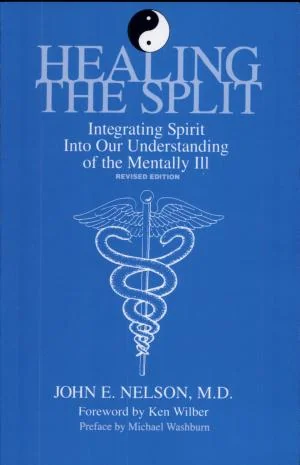
Healing the split
 76
76

Healing the split
John E. Nelson’s Healing the Split offers a compelling, if sometimes dense, exploration of internal discord. Nelson avoids simplistic diagnoses, instead presenting a nuanced view of psychic fragmentation as an inherent aspect of the human condition that can be addressed through specific energetic and psychological techniques. The strength of the work lies in its systematic approach to identifying the root causes of these divisions, often tracing them back to foundational belief systems and early life imprints. A particular area of value is Nelson's discussion of how societal structures can mirror and reinforce these internal splits. While the language can occasionally lean towards the technical, particularly when detailing energetic mechanisms, the underlying message of integration and wholeness remains accessible. The book provides a practical, albeit challenging, roadmap for those committed to self-awareness and psychic repair.
📝 Description
76
John E. Nelson's 1994 book, Healing the Split, proposes that internal divisions are energetic patterns, not flaws.
Healing the Split, published in 1994 by John E. Nelson, examines the fundamental divisions that fragment human consciousness and experience. The book frames these internal separations not as inherent defects, but as energetic patterns that individuals can recognize and integrate. Nelson draws on psychological, philosophical, and esoteric traditions to construct a comprehensive perspective on the human psyche.
This work is suited for individuals seeking a deeper grasp of their internal conflicts and patterns of self-sabotage. It will appeal to those interested in psychospiritual development, especially those who find conventional psychological methods insufficient for addressing deeper existential or spiritual disconnections. Readers familiar with Jungian psychology or esoteric philosophies will find much common ground here.
The central idea is the concept of the "split," a fundamental psychic division that can appear as inner conflict or societal discord. Nelson investigates how these splits often stem from early experiences and belief systems, forming habitual thought and behavior patterns. The book offers methods for identifying these patterns and working toward their resolution through conscious awareness and energetic rebalancing.
Published in the mid-1990s, Healing the Split emerged during a period of growing interest in transpersonal psychology and the fusion of Eastern and Western spiritual traditions. This era saw figures like Stanislav Grof and Ken Wilber exploring expanded states of consciousness and self-transformation. Nelson's work contributes to this intellectual milieu by offering a specific model for understanding and healing internal fragmentation, aligning with the broader esoteric pursuit of wholeness and integrated consciousness.
💡 Why Read This Book?
• Learn to identify the specific energetic patterns constituting your internal "split," as detailed in Nelson's framework, enabling a more precise approach to self-healing than generic advice. • Understand how early life imprints, a concept Nelson elaborates on, contribute to persistent psychological divisions, offering a concrete link between past experiences and present struggles. • Gain insight into the "energetic rebalancing" techniques Nelson proposes, providing actionable methods for integrating fragmented aspects of the psyche beyond mere intellectual understanding.
⭐ Reader Reviews
Honest opinions from readers who have explored this book.
❓ Frequently Asked Questions
What is the core concept of "Healing the Split"?
The book's central idea is the "split," a fundamental psychic division within individuals that creates internal conflict and patterns of self-sabotage. Nelson argues these splits are not permanent flaws but energetic patterns that can be understood and integrated.
When was John E. Nelson's "Healing the Split" first published?
"Healing the Split" by John E. Nelson was first published in 1994, placing it within the context of mid-1990s explorations in transpersonal psychology and esoteric thought.
What kind of reader would benefit most from "Healing the Split"?
Readers interested in psychospiritual development, those seeking to understand internal conflicts, and individuals who find conventional psychology insufficient for deeper existential issues would benefit greatly.
Does the book offer practical techniques for healing?
Yes, Nelson's work proposes specific methods for recognizing and addressing psychic splits. These often involve techniques for energetic rebalancing and conscious awareness of ingrained patterns.
How does "Healing the Split" relate to Jungian psychology?
The book shares common ground with Jungian psychology in its focus on the psyche, internal conflicts, and the integration of fragmented aspects of the self. Nelson builds upon these ideas with his specific energetic framework.
Can "Healing the Split" help with societal divisions?
Nelson suggests that individual internal splits can mirror and contribute to broader societal divisions. By addressing one's own fragmentation, the book implies a path toward greater societal coherence.
🔮 Key Themes & Symbolism
The Nature of the Split
Nelson posits that a fundamental "split" exists within human consciousness, creating a division between different aspects of the self. This is not viewed as a pathology but as a core energetic pattern that shapes perception and behavior. The work explores how these splits manifest in various forms, from cognitive dissonance to emotional reactivity, and how they prevent a unified sense of self. Understanding the structure and origin of these divisions is presented as the first step toward integration, moving beyond mere symptom management to address root causes of internal fragmentation.
Energetic Rebalancing
A core tenet of Healing the Split involves the concept of "energetic rebalancing." Nelson details how internal splits create energetic blockages or imbalances within the psyche. The book offers methods and perspectives aimed at restoring a harmonious flow of energy, which is crucial for psychological well-being and integration. This process involves conscious awareness, recognition of energetic patterns, and specific practices designed to shift these patterns towards greater coherence and wholeness, moving away from persistent discord.
Integration of Opposites
The work emphasizes the necessity of integrating opposing forces within the psyche, rather than allowing them to remain in conflict. Nelson explores how seemingly contradictory aspects of the self, when acknowledged and harmonized, contribute to a more complete and functional individual. This theme is central to overcoming the "split," suggesting that true healing comes from embracing and unifying these internal dichotomies, leading to a richer, more authentic self-expression and a reduction in internal warfare.
Root Causes and Belief Systems
Nelson examines the origins of psychic splits, often tracing them back to foundational belief systems and early life experiences. The book examines how these early imprints create enduring patterns that perpetuate internal division. Identifying these root causes is presented as essential for effective healing. The work encourages readers to look critically at the underlying assumptions and doctrines that shape their internal world, recognizing them as key factors in both the creation and resolution of their psychic fragmentation.
💬 Memorable Quotes
Direct passages from the work, attributed to the author.
“The split is not a flaw, but an energetic pattern.”
— This concise statement reframes internal discord not as an inherent defect in the individual, but as a dynamic energetic configuration that can be understood and transformed through specific practices.
“Integration arises from recognizing opposing forces.”
— This highlights the central thesis that wholeness is achieved not by eliminating conflict, but by acknowledging, understanding, and harmonizing the contradictory elements within the psyche.
“Early imprints shape persistent divisions.”
— This interpretation points to Nelson's emphasis on the formative influence of past experiences and belief systems in creating and maintaining psychological fragmentation throughout life.
“Societal structures can mirror internal fragmentation.”
— This notion suggests a connection between individual psychic states and the wider social order, implying that personal integration can have broader implications for collective harmony.
💡 Key Ideas
Editorial paraphrase of the work's core concepts — not direct quotes.
Awareness is the first step toward energetic rebalancing.
This paraphrased concept underscores the book's focus on consciousness as the primary tool for initiating the process of healing and restoring equilibrium within the psyche.
🌙 Esoteric Significance
Tradition
Nelson's work aligns with the Western Esoteric tradition, particularly drawing upon concepts found in Hermeticism and depth psychology, notably Jungian archetypes. It explores the idea of the unified self and the integration of polarities, a theme recurrent in alchemical symbolism and Hermetic philosophy concerning the reconciliation of opposites. While not explicitly tied to a singular ancient lineage, it reinterprets psychological fragmentation through an energetic and spiritual lens, resonating with Gnostic concerns about wholeness and the restoration of the divided soul.
Symbolism
The central "split" itself can be viewed as a symbolic representation of the alchemical concept of separation and conjunction, the necessary breakdown before reintegration. Another potent symbol is the idea of "energetic rebalancing," which reflects the Hermetic principle of 'As Above, So Below,' suggesting that internal energetic states correspond to external reality and can be harmonized through focused intent and awareness. The fragmented self can also symbolize the shattered mirror, where each piece reflects a distorted aspect of the whole, awaiting reassembly.
Modern Relevance
Contemporary thinkers in somatic psychology and trauma-informed care often engage with concepts akin to Nelson's "energetic rebalancing," focusing on the body's role in processing psychological splits. His model of understanding internal divisions as patterned energy also finds echoes in modern energy psychology modalities and certain mindfulness-based therapeutic approaches that emphasize awareness of internal states for healing and integration.
👥 Who Should Read This Book
• Individuals grappling with persistent internal conflict and self-sabotage, seeking a structured approach to understanding and resolving these patterns beyond surface-level advice. • Students and practitioners of depth psychology and transpersonal studies, particularly those interested in Jungian concepts of integration and psychic wholeness. • Seekers of spiritual development who feel disconnected or fragmented, looking for practical frameworks to achieve a more unified sense of self and purpose.
📜 Historical Context
Published in 1994, John E. Nelson's "Healing the Split" emerged during a vibrant period for transpersonal psychology and self-help literature. This era saw a surge of interest in integrating Eastern spiritual practices with Western psychological models, exemplified by figures like Fritjof Capra and his work connecting physics and mysticism. Nelson's book contributed to this milieu by offering a specific model for understanding and resolving internal psychological divisions. It arrived at a time when analytical psychology, particularly Jungian thought, was gaining wider traction for its exploration of archetypes and the unconscious. While not a direct engagement, Nelson's work can be seen as exploring similar territory concerning psychic integration, offering his own distinct framework for energetic rebalancing and the resolution of inner conflict. The book's reception likely aligned with the growing appetite for depth psychology and spiritual growth resources.
📔 Journal Prompts
The nature of the "split" within your own psyche.
Identifying early imprints that contribute to your internal divisions.
How the concept of "energetic rebalancing" might apply to your current challenges.
Reflecting on the integration of opposing forces in your life.
The relationship between your internal splits and external circumstances.
🗂️ Glossary
The Split
A fundamental division or fragmentation within the human psyche, creating internal conflict, dissonance, and patterns of self-sabotage. Nelson views it as an energetic pattern rather than an inherent flaw.
Energetic Rebalancing
A process of restoring harmony and flow to the psychic energies, aiming to integrate fragmented aspects of the self and resolve internal imbalances caused by the "split."
Psychic Fragmentation
The state of being divided or broken into separate parts within one's own mind or consciousness, often leading to feelings of disunity and internal warfare.
Early Imprints
Formative experiences, beliefs, and conditioning from early life that significantly shape an individual's psychological patterns and contribute to the development or perpetuation of internal splits.
Integration of Opposites
The process of acknowledging, understanding, and harmonizing seemingly contradictory aspects of the self to achieve a more complete and unified state of being.
Belief Systems
Underlying frameworks of assumptions, doctrines, and convictions that shape an individual's perception of reality and significantly influence their psychological state and internal divisions.
Conscious Awareness
The state of being actively and intentionally mindful of one's thoughts, feelings, patterns, and energetic states, serving as a primary tool for initiating psychological healing.
🔮 Readers Also Liked
Browse all →









More by John E. Nelson
All books →
More Free Spiritual Development Books
View all →