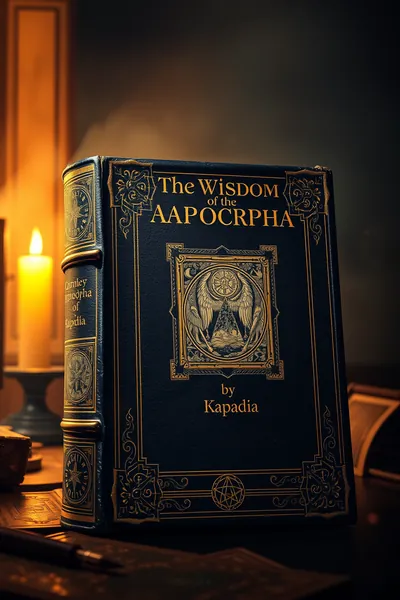
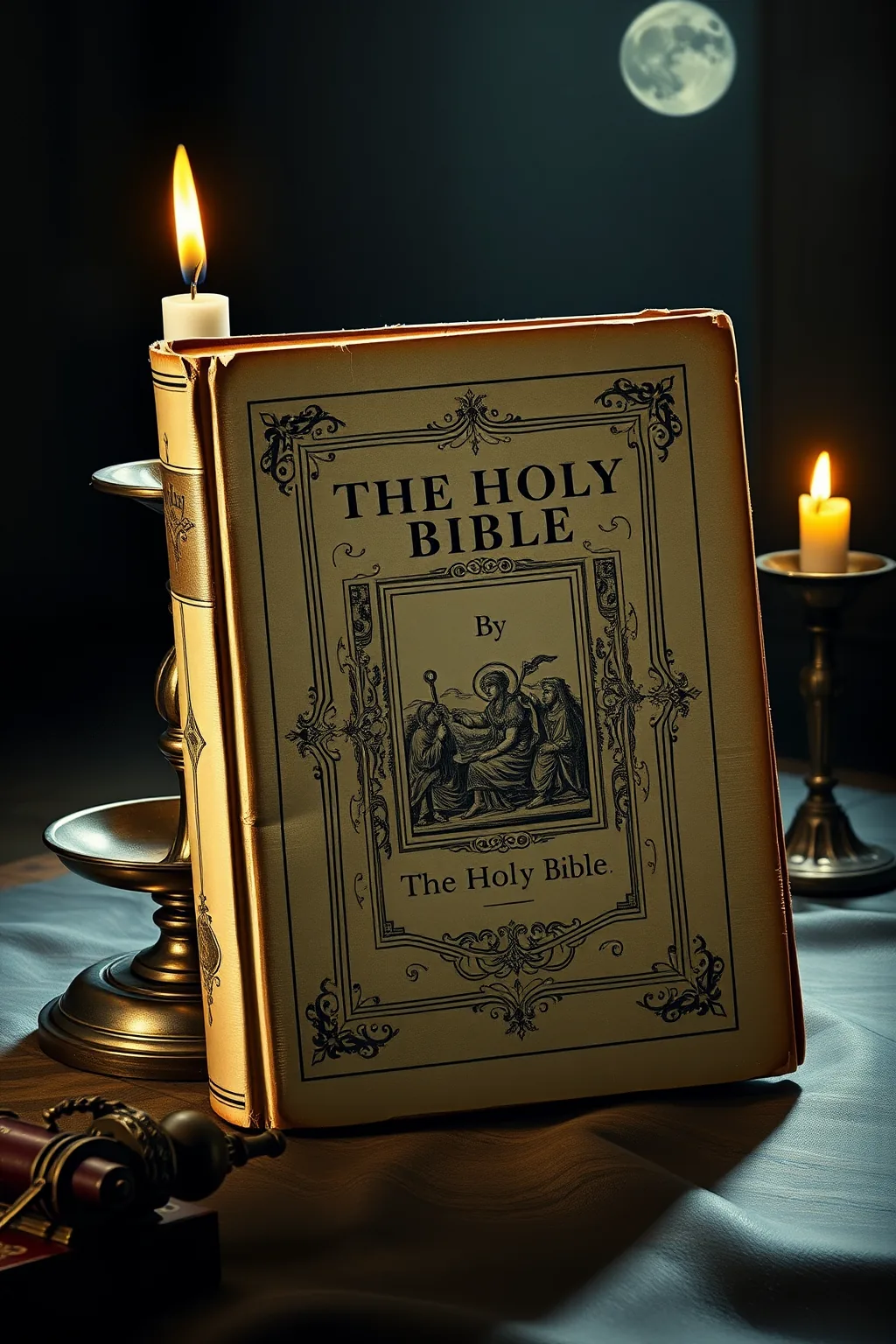
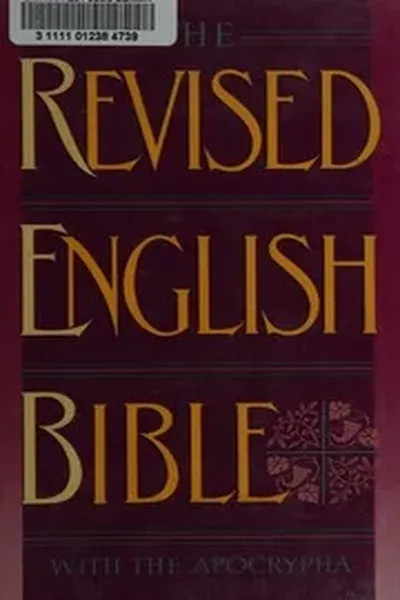
The Holy Bible, containing the Old and New Testaments and the Apocrypha translated out of the original tongues: and with the former translations diligently compared and revised
 72
72

The Holy Bible, containing the Old and New Testaments and the Apocrypha translated out of the original tongues: and with the former translations diligently compared and revised



The 1900 edition of 'The Holy Bible, containing the Old and New Testaments and the Apocrypha' is a treasure trove for modern esoteric seekers. This edition stands out for its fidelity to the original texts and its inclusion of the Apocrypha, which are often excluded from contemporary editions. The Apocrypha offers a wealth of additional narratives and wisdom that can deepen one's understanding of biblical themes and their esoteric significance. For those interested in Gnosticism and early Christian thought, this edition is invaluable. The historical context of the 1900 edition adds another layer of richness, as it reflects the religious and intellectual climate of the time. This edition is not just a religious text but a window into the esoteric and occult traditions that have shaped Western thought. It is a must-read for anyone serious about exploring the deeper dimensions of biblical literature. Rating: 5/5.
📝 Description
72
This 1611 King James Version translation includes the Apocrypha, a collection of texts often excluded from Protestant Bibles.
This edition of the Holy Bible contains the Old and New Testaments alongside the Apocrypha. It is presented as a translation derived from original languages, with revisions made to earlier versions. The text is structured to encourage contemplation of its symbolic and allegorical content, aiming to reveal deeper meanings for attentive readers. The language and arrangement of the scriptures are intended to foster a sense of reverence and mystery. This compilation is suited for individuals interested in the spiritual and philosophical dimensions of religious texts, including those who study religious history or engage with mystical traditions.
The inclusion of the Apocrypha places this translation within a broader historical and theological context than many modern Bibles. These texts, considered canonical by some Christian traditions and historically present in certain English Bibles, often contain material that resonates with later esoteric thought. Their narratives and wisdom traditions have been interpreted through various mystical lenses, connecting them to traditions that seek hidden meanings beyond the literal text. This edition allows for engagement with a wider spectrum of scripture that has been a subject of esoteric inquiry.
💡 Why Read This Book?
Reading this 1900 edition of The Holy Bible today offers a unique opportunity to delve into the esoteric and occult dimensions of biblical literature. It provides a comprehensive view of sacred texts, including the often-overlooked Apocrypha, which can enrich your understanding of biblical themes and their deeper meanings. This edition is particularly valuable for those interested in Gnosticism, early Christian thought, and the broader spectrum of esoteric traditions. It offers a historical perspective that can deepen your appreciation of the religious and intellectual ferment of the early 20th century.
⭐ Reader Reviews
Honest opinions from readers who have explored this book.
❓ Frequently Asked Questions
What makes this edition of The Holy Bible unique?
This 1900 edition is unique because it includes the Apocrypha, which are often excluded from modern editions. It also offers a meticulous translation from the original tongues, providing a deeper insight into biblical texts.
Who should read this book?
This book is ideal for those interested in esoteric and occult studies, Gnosticism, early Christian thought, and biblical literature. It is also valuable for scholars and readers seeking a comprehensive and historically rich edition of the Bible.
What is the significance of the Apocrypha in this edition?
The Apocrypha in this edition provides additional narratives and wisdom that can enrich the understanding of biblical themes and their esoteric significance. These texts were considered sacred by many early Christian communities and offer a broader perspective on biblical literature.
🔮 Key Themes & Symbolism
Divine Revelation
The Bible is a collection of divine revelations that offer insights into the nature of God and the universe. These revelations are often veiled in symbolism and allegory, requiring a deep understanding of esoteric principles to fully appreciate.
Symbolism and Allegory
The texts are rich with symbolism and allegory, each element carrying multiple layers of meaning. This symbolism is a key aspect of the Bible's mystical appeal, inviting readers to uncover hidden knowledge and spiritual truths.
Hidden Knowledge
The Apocrypha and other lesser-known texts provide a wealth of hidden knowledge that enriches the reader's understanding of the Bible's esoteric dimensions. These texts offer unique perspectives on faith and mysticism.
💬 Memorable Quotes
Direct passages from the work, attributed to the author.
“The fear of the Lord is the beginning of wisdom.”
— True wisdom begins with a deep reverence for the divine, acknowledging the mysteries beyond human comprehension.
“Seek and you will find; knock and the door will be opened to you.”
— This encourages active seeking of spiritual truths, promising that those who seek will discover hidden knowledge.
“I am the vine; you are the branches. If you remain in me and I in you, you will bear much fruit; apart from me you can do nothing.”
— This symbolizes the interconnectedness of the divine and human, emphasizing the importance of spiritual union.
“For now we see through a glass, darkly; but then face to face: now I know in part; but then shall I know even as also I am known.”
— This speaks to the limited human understanding of the divine, promising a clearer vision in the afterlife.
💡 Key Ideas
Editorial paraphrase of the work's core concepts — not direct quotes.
In the beginning was the Word, and the Word was with God, and the Word was God.
This passage highlights the divine nature of language and the power of creation through words.
🌙 Esoteric Significance
Tradition
This edition of the Bible belongs to the Gnostic and Hermetic traditions, emphasizing the pursuit of hidden knowledge and spiritual enlightenment. It offers a pathway to understanding the divine mysteries through symbolism and allegory.
Symbolism
Key symbols include the Tree of Life, the Ark of the Covenant, and the number seven, each carrying deep esoteric meanings. These symbols serve as gateways to understanding the divine and the arcane.
Modern Relevance
Today, this edition remains relevant for spiritual seekers and practitioners of the occult, offering insights into the mystical dimensions of faith. Modern practitioners use it to deepen their understanding of symbolism and hidden knowledge.
👥 Who Should Read This Book
Beginners interested in the mystical and esoteric dimensions of the Bible will find this edition particularly accessible and enriching. Scholars of religious studies will appreciate its comprehensive nature and depth of esoteric insights. Spiritual seekers will benefit from the hidden knowledge and symbolic wisdom it offers, while practitioners of the occult will find it an invaluable resource for their spiritual journeys.
📜 Historical Context
The Holy Bible was compiled over centuries, reflecting the spiritual and cultural evolution of ancient Israel and early Christianity. Written during a time of significant religious and political upheaval, these texts served as both spiritual guidance and a record of divine revelation. The inclusion of the Apocrypha provides a broader context for understanding the development of biblical thought and its influence on subsequent religious movements and esoteric traditions.
📔 Journal Prompts
Reflect on a passage that resonated with you and explore its symbolic meaning.
How does the inclusion of the Apocrypha enrich your understanding of biblical texts?
Consider the significance of divine revelation in your spiritual journey.
What hidden knowledge have you discovered through reading this edition?
How does the symbolism in the Bible relate to your personal spiritual practices?
🗂️ Glossary
Apocrypha
A collection of texts included in some editions of the Bible that are considered non-canonical but offer valuable esoteric insights.
Gnosticism
A mystical tradition emphasizing the pursuit of hidden knowledge and spiritual enlightenment through symbolic interpretation.
Hermeticism
An esoteric tradition based on the teachings of Hermes Trismegistus, focusing on the divine and the arcane.
Symbolism
The use of symbols and allegories to convey deeper meanings and spiritual truths in religious texts.
Divine Revelation
The process by which divine truths are revealed to humanity, often through sacred texts and spiritual experiences.
This book appears in 5 collections
🔮 Readers Also Liked
Browse all →







From the “Gnosticism” Collection
View all →
![EBOOK COLLECTION ( PART 8) [ CSI][h 33t]](/img/thumb/ebook-collection-part-8-csi-h-33t.webp)
More Free Sacred Texts & Gnosticism Books
View all →