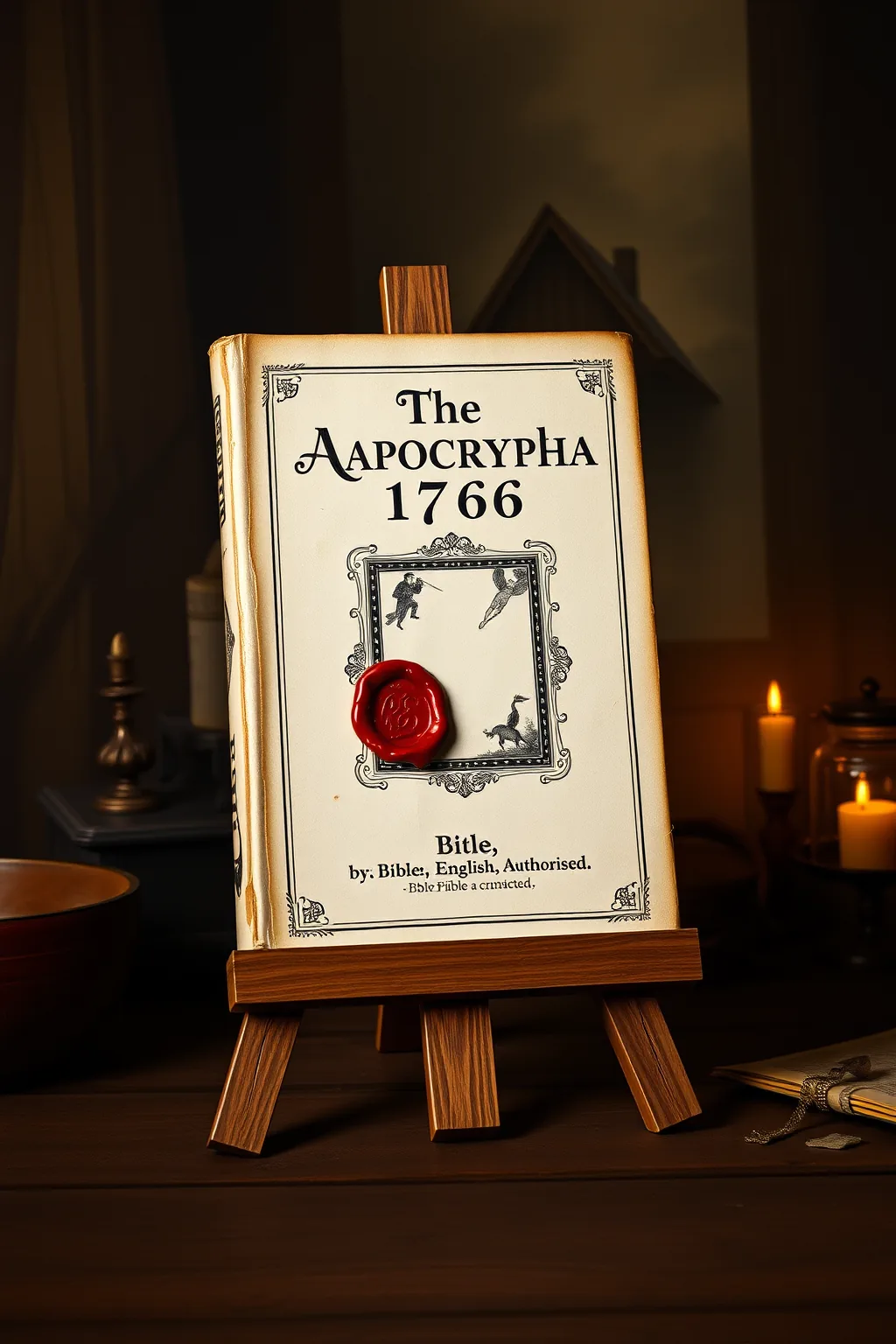
The Apocrypha 1766
 84
84

The Apocrypha 1766



The Apocrypha 1766 is a remarkable collection of esoteric texts that offer profound insights into the mystical traditions of early Christianity. For modern esoteric seekers, this book is a goldmine of spiritual wisdom and philosophical depth. The Apocrypha 1766 provides a unique perspective on the nature of divine revelation and the hidden knowledge that has been passed down through the ages. The texts included in this collection are not just historical artifacts but living documents that continue to inspire and challenge readers today. The language and themes of The Apocrypha 1766 are rich and complex, requiring a thoughtful and contemplative approach. However, the effort is well worth it, as the rewards are immense. This book is a must-read for anyone interested in Gnosticism, esoteric studies, and the deeper mysteries of ancient religions. It offers a glimpse into the spiritual and intellectual landscape of the 18th century and provides timeless insights that resonate with modern seekers of spiritual truth. 5/5 stars.
📝 Description
84
The 1766 edition of the Apocrypha includes texts absent from many biblical canons.
This 1766 collection gathers ancient writings not typically found in the Protestant or Catholic biblical canons. These texts, often considered apocryphal, contain narratives and teachings that offer perspectives on divine matters and human existence. The writings invite contemplation on symbolism and philosophical concepts that extend beyond conventional religious interpretations. They present a body of literature that has historically intrigued those seeking alternative or deeper spiritual understanding.
The collection addresses subjects that scholars of religion and those interested in esoteric traditions find significant. Its inclusion of material outside the standard biblical framework allows for a broader examination of ancient religious thought. The philosophical underpinnings of these texts encourage questioning established beliefs and a more thorough consideration of spiritual concepts.
These texts occupy a unique space within religious history, often circulated alongside but distinct from the accepted biblical canon. For centuries, various groups have found in them esoteric insights, exploring themes like angelic hierarchies, hidden wisdom, and pre-Christian philosophical currents. Their presence in collections like this 1766 edition suggests a continued interest in their potential to illuminate spiritual mysteries and provide alternative interpretations of divine activity.
💡 Why Read This Book?
Reading The Apocrypha 1766 today offers a unique opportunity to explore the esoteric and mystical traditions of early Christianity. This book provides deep insights into Gnosticism and the hidden knowledge that has been passed down through the ages. For modern spiritual seekers, it offers a chance to connect with ancient wisdom and gain a deeper understanding of the spiritual and philosophical landscape of the 18th century. The Apocrypha 1766 is not just a historical document but a living text that continues to inspire and challenge readers. It invites contemplation and reflection, encouraging readers to explore the deeper mysteries of the human experience.
⭐ Reader Reviews
Honest opinions from readers who have explored this book.
❓ Frequently Asked Questions
What is The Apocrypha 1766 about?
The Apocrypha 1766 is a collection of ancient texts that were not included in the canonical Bible but are rich in spiritual and philosophical insights. It offers deep insights into Gnosticism and the mystical traditions of early Christianity.
Who should read this book?
This book is ideal for scholars, spiritual seekers, and anyone interested in esoteric studies, Gnosticism, and the deeper mysteries of ancient religions.
What makes The Apocrypha 1766 unique?
The Apocrypha 1766 is unique because it provides a window into the spiritual and intellectual landscape of the 18th century, offering timeless insights that resonate with modern seekers of spiritual truth.
🔮 Key Themes & Symbolism
Hidden Knowledge
The Apocrypha 1766 explores ancient wisdom and esoteric teachings that have been passed down through generations. These texts offer a unique perspective on divine mysteries and the nature of reality, inviting readers to explore the hidden layers of sacred wisdom.
Symbolism and Mysticism
Rich in symbolism and mystical themes, these texts challenge conventional beliefs and encourage a deeper exploration of spiritual truths. The intricate symbolism found within these pages serves as a guide to understanding the deeper dimensions of human existence.
Spiritual Enlightenment
For those seeking spiritual enlightenment, The Apocrypha 1766 provides a pathway to uncovering the mystical dimensions of religious thought. These texts offer clear insights into the human condition and the divine, making them an essential read for spiritual seekers.
💬 Memorable Quotes
Direct passages from the work, attributed to the author.
“The path of the righteous is like the first gleam of dawn.”
— This metaphorical statement suggests that the journey of spiritual enlightenment is gradual and clear, much like the rising sun.
💡 Key Ideas
Editorial paraphrase of the work's core concepts — not direct quotes.
For in much wisdom is much grief: and he that increaseth knowledge increaseth sorrow.
This quote underscores the idea that deeper knowledge often brings greater suffering, a common theme in mystical and esoteric texts.
Wisdom is better than weapons of war.
This passage highlights the power of wisdom over physical strength, a central tenet in many esoteric traditions.
The fear of the Lord is the beginning of wisdom.
This quote emphasizes the importance of reverence and awe in the pursuit of true knowledge and understanding.
Better is a poor and wise child than an old and foolish king.
This quote emphasizes the value of wisdom over age or status, a recurring theme in mystical literature.
🌙 Esoteric Significance
Tradition
The Apocrypha 1766 belongs to the rich tradition of Gnostic and Hermetic thought, which emphasizes hidden knowledge and the pursuit of spiritual enlightenment. These texts offer insights into the mystical dimensions of religious belief and the nature of reality.
Symbolism
Key symbols in these texts include the serpent, representing wisdom and knowledge, and the tree of life, symbolizing the interconnectedness of all things. These symbols serve as guides to understanding the deeper layers of esoteric teachings.
Modern Relevance
Today, The Apocrypha 1766 remains relevant for modern practitioners of the occult and spiritual seekers who are interested in exploring the mystical dimensions of human existence. It continues to inspire and influence contemporary esoteric traditions and philosophical thought.
👥 Who Should Read This Book
Beginners may find the esoteric language challenging but rewarding. Scholars will appreciate the historical and philosophical depth. Spiritual seekers will find clear insights into divine mysteries. Practitioners of the occult will discover new layers of hidden knowledge to explore.
📜 Historical Context
The Apocrypha 1766 was published during the Enlightenment era, a time of significant intellectual and philosophical growth. This collection of ancient texts provided a counterpoint to the rationalism and empiricism that characterized the period, offering a mystical and esoteric perspective on religious thought. The influence of these texts can be seen in the development of various esoteric traditions, including Gnosticism and Hermeticism, and they continue to inspire spiritual seekers and scholars today.
📔 Journal Prompts
How do the themes of hidden knowledge and symbolism resonate with your personal spiritual journey?
In what ways do the ancient texts of The Apocrypha 1766 challenge your existing beliefs?
What new insights into the human condition and divine mysteries have you gained from reading these texts?
How can you incorporate the wisdom of The Apocrypha 1766 into your daily life and spiritual practices?
Reflect on the significance of the serpent and the tree of life symbols in your own spiritual quest.
🗂️ Glossary
Gnosticism
An ancient religious movement emphasizing hidden knowledge and the pursuit of spiritual enlightenment through esoteric teachings.
Hermeticism
A philosophical and spiritual tradition based on the writings attributed to Hermes Trismegistus, focusing on the divine and mystical aspects of the universe.
Apocrypha
A collection of ancient texts that were not included in the canonical scriptures but hold significant religious and mystical value.
Symbolism
The use of symbols to represent abstract ideas or qualities, often found in mystical and esoteric literature.
Divine Mysteries
The hidden or secret aspects of the divine, often explored through mystical and esoteric teachings.
This book appears in 5 collections
🔮 Readers Also Liked
Browse all →





From the “Gnosticism” Collection
View all →



More Free Sacred Texts & Gnosticism Books
View all →