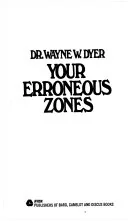
Your Erroneous Zones
 83
83

Your Erroneous Zones
Wayne W. Dyer’s "Your Erroneous Zones" remains a potent, if occasionally blunt, guide to self-liberation. Published in 1977, its central thesis—that we construct our own prisons of guilt and worry through "erroneous zones"—feels remarkably prescient. Dyer’s insistence on immediate emotional ownership is a strength; the call to stop blaming external factors for internal distress is invigorating. However, the book's relentless positivity can sometimes feel simplistic, particularly when addressing deeply ingrained psychological issues. The concept of "self-talk" as a primary tool for change, while valuable, is presented with an almost unvarnished directness that might alienate readers seeking a more nuanced exploration of complex emotional landscapes. Despite this, the core message of taking responsibility for one's mental state is a powerful and enduring takeaway. It functions as a stark, necessary reminder to cease self-inflicted suffering.
📝 Description
83
Wayne W. Dyer's 1977 book, Your Erroneous Zones, proposed that individuals can take control of their happiness.
Published in 1977, Your Erroneous Zones identifies mental habits that block happiness and success. Dyer labels these habits "erroneous zones," describing them as thought and behavior patterns that lead to guilt, worry, and self-sabotage. The core of Dyer's message is that individuals should actively manage their emotional states instead of being controlled by external situations. This approach emphasizes immediate emotional self-management and personal responsibility.
The book is for people struggling with persistent guilt, anxiety, or feelings of inadequacy. It speaks to those who see self-defeating patterns in their lives and want concrete methods to change them. Readers seeking practical advice on regulating emotions and achieving personal empowerment will find strategies for living more fully in the present.
Emerging in the mid-1970s, "Your Erroneous Zones" resonated with the growing self-help and human potential movements. This period saw increased interest in psychological well-being, influenced by humanistic psychology. Dyer's focus on accessible techniques for immediate behavioral change and personal empowerment distinguished his work. It offered a practical application of psychological principles, aiming to foster individual agency and a more fulfilling life.
💡 Why Read This Book?
• You will learn to identify and dismantle specific "erroneous zones" like "need for approval" or "living in the past," gaining practical tools for emotional self-governance, as outlined in Dyer's 1977 work. • You will feel empowered by the actionable strategies to control your emotional reactions to external events, fostering "present-moment living" as a core philosophy. • You will discover the distinction between "wants" and "needs" as a key to reducing suffering and cultivating contentment, a concept central to the book's self-help framework.
⭐ Reader Reviews
Honest opinions from readers who have explored this book.
❓ Frequently Asked Questions
What are "erroneous zones" according to Wayne W. Dyer?
Erroneous zones are self-defeating patterns of thought and behavior that create barriers to happiness. Dyer, in his 1977 book, identifies these as habits like excessive worry, guilt, and seeking approval, which prevent individuals from living fully in the present.
How does "Your Erroneous Zones" help with anxiety?
The book teaches readers to recognize that anxiety is often a self-generated response to imagined future problems or past regrets. Dyer provides techniques to shift focus to the present moment, thereby reducing the power of anxious thoughts.
Is "Your Erroneous Zones" still relevant today?
Yes, the core concepts of emotional self-control and identifying self-sabotaging thought patterns remain highly relevant. The book's emphasis on personal responsibility for one's mental state continues to resonate with modern self-help seekers.
What is the primary message of Wayne W. Dyer's "Your Erroneous Zones"?
The primary message is that individuals have the power to control their emotions and eliminate suffering by recognizing and changing their "erroneous zones"—self-imposed mental traps.
When was "Your Erroneous Zones" first published?
Wayne W. Dyer's influential self-help book, "Your Erroneous Zones," was first published in 1977, becoming a major bestseller in the personal development genre.
What does Dyer mean by "present-moment living"?
Present-moment living is the practice of focusing your attention entirely on the current experience, rather than dwelling on past events or worrying about the future. Dyer advocates this as a path to reduce suffering.
🔮 Key Themes & Symbolism
Present-Moment Living
The book champions "present-moment living" as the antidote to suffering caused by dwelling on past regrets or future anxieties. Dyer instructs readers to anchor their awareness in the here and now, recognizing that true control and peace exist only in the present. This concept aligns with contemplative traditions that emphasize mindfulness, urging individuals to cease projecting themselves into hypothetical scenarios and instead engage directly with their current reality.
Elimination of "Wants"
Dyer distinguishes between genuine "needs" and self-imposed "wants." He argues that most human suffering stems not from unmet necessities but from the frustration of desires that are not essential for well-being. By learning to identify and relinquish these "wants," individuals can free themselves from a cycle of perpetual dissatisfaction and cultivate a deeper sense of contentment with what is already present.
Self-Directed Emotions
A cornerstone of Dyer's philosophy is the assertion that emotions are not reactions to external events but rather choices made internally. The book empowers readers by demonstrating how to take ownership of their feelings, particularly negative ones like guilt and worry. This involves recognizing that one's interpretation of a situation, rather than the situation itself, dictates the emotional response.
Breaking "Erroneous Zones"
The "erroneous zones" are the habitual, self-defeating thought and behavior patterns that trap individuals. These include seeking approval, living in the past, and excessive worrying. Dyer provides a systematic approach to identifying these mental constructs and actively dismantling them, thereby clearing the path toward genuine happiness and self-fulfillment.
💬 Memorable Quotes
“You are not a victim of your circumstances, you are a victim of your self.”
— This statement encapsulates Dyer's core message of personal responsibility. It asserts that external events have less power over our well-being than our internal reactions and interpretations, placing the locus of control firmly within the individual.
“The only way to eliminate anxiety is to stop talking to yourself about what might happen.”
— This highlights the book's focus on cognitive control. Dyer suggests that anxiety is often fueled by internal dialogues about future possibilities, and that ceasing such projections is key to achieving mental peace.
“You can always transform a 'want' into a 'need' if you try hard enough.”
— This quote underscores the psychological manipulation involved in desire. Dyer implies that we can convince ourselves that superficial desires are essential, leading to unnecessary suffering when they are not met.
“Stop acting as if you have a choice about the way you feel.”
— This seemingly paradoxical statement encourages readers to acknowledge their immediate emotional state without resistance. The underlying idea is that acceptance is the first step toward conscious change, rather than denial or struggle.
“You have the power to choose your reactions, and therefore, your destiny.”
— This paraphrased concept emphasizes the empowering nature of Dyer's philosophy. It suggests that by consciously selecting how to respond to life's events, individuals actively shape their own future experiences and overall life path.
🌙 Esoteric Significance
Tradition
While not overtly steeped in a specific esoteric tradition, "Your Erroneous Zones" resonates with principles found in Stoicism and certain branches of Western esotericism that emphasize control over one's inner state. Its focus on self-mastery and the power of thought aligns with Hermetic ideals of "as above, so below," where the internal world directly influences external experience. The book’s approach to dissolving mental constructs can be seen as a secularized form of yogic or meditative practices aimed at quieting the discursive mind.
Symbolism
The "erroneous zones" themselves function as symbolic representations of self-imposed limitations. They are mental prisons constructed from fear, guilt, and societal conditioning. The concept of "present-moment living" acts as a symbolic gateway to liberation, representing a state of pure awareness free from the distortions of past and future. The distinction between "wants" and "needs" symbolizes the choice between attachment-driven suffering and contentment-based peace.
Modern Relevance
Dyer's work continues to influence contemporary self-help and positive psychology movements. Modern concepts like mindfulness-based stress reduction (MBSR) and cognitive behavioral therapy (CBT) share common ground with Dyer's emphasis on present-moment awareness and challenging negative thought patterns. His legacy is evident in the work of modern spiritual teachers and psychologists who advocate for emotional self-regulation and taking personal responsibility for one's mental landscape.
👥 Who Should Read This Book
• Individuals struggling with persistent guilt, worry, or anxiety who seek practical, actionable strategies to regain emotional control. • Readers interested in the self-help and personal development genres, particularly those who appreciate direct advice and a focus on immediate behavioral change. • Those exploring the concept of self-mastery and personal responsibility for their mental and emotional well-being, seeking to understand how thought patterns shape reality.
📜 Historical Context
Published in 1977, "Your Erroneous Zones" emerged during a fertile period for the self-help genre, propelled by the broader human potential movement. This era saw a surge in interest in psychological well-being, personal growth, and Eastern philosophies, influenced by figures like Timothy Leary and the widespread adoption of meditation techniques. Dyer’s work, with its direct, actionable advice and focus on immediate behavioral change, contrasted with the more theoretical explorations of psychotherapy prevalent at the time. While not explicitly tied to a specific intellectual lineage like Hermeticism or Gnosticism, it echoed the existentialist emphasis on individual freedom and responsibility championed by thinkers like Jean-Paul Sartre, albeit translated into a more accessible, mass-market format. The book’s immense commercial success, selling millions of copies, indicated a cultural readiness for self-empowerment narratives, positioning it as a significant cultural artifact of the late 20th century.
📔 Journal Prompts
The "need for approval" as an erroneous zone: identify its manifestations.
Your personal "wants" versus genuine "needs": list three of each.
Past regrets and future anxieties: how do they currently impact your present moment?
Self-talk analysis: record a recent internal dialogue related to worry or guilt.
Emotional choice: reflect on a situation where you consciously chose your reaction.
🗂️ Glossary
Erroneous Zones
Habitual patterns of thought and behavior that create self-imposed limitations and prevent happiness and success. Examples include excessive worry, guilt, and seeking external validation.
Present-Moment Living
The practice of focusing one's awareness entirely on the current experience, free from dwelling on past regrets or future anxieties. It is presented as a key to reducing suffering.
Wants vs. Needs
Dyer differentiates between essential requirements for survival and well-being ('needs') and desires that are not fundamental ('wants'). He argues that 'wants' are a primary source of dissatisfaction.
Self-Talk
The internal dialogue individuals have with themselves. Dyer suggests that monitoring and consciously altering negative self-talk is crucial for overcoming erroneous zones.
Guilt
An emotion arising from the belief that one has violated a moral standard or failed to meet an expectation. Dyer views excessive guilt as an unnecessary and self-destructive emotion.
Worry
An emotion characterized by apprehension and anxiety about potential future events. Dyer advocates for eliminating worry by focusing on the present and accepting uncertainty.
Self-Directed Emotions
The concept that individuals have the power to choose and control their emotional responses, rather than being passively subject to external circumstances.