Veronika decide morrer

 71
71

Veronika decide morrer
Paulo Coelho's "Veronika Decide Morrer" is less a conventional novel and more a parable about reclaiming life from the precipice of its end. The premise—a young woman in a psychiatric hospital deciding to die—is stark, but Coelho softens the edges with his characteristic blend of accessible philosophy and gentle storytelling. The book's strength lies in its ability to reframe the reader's perspective on everyday existence by placing it under the shadow of imminent death. However, the narrative occasionally treads into overly simplistic pronouncements about life and madness, sometimes sacrificing nuanced character development for thematic clarity. A passage where Veronika observes the seemingly mundane routines of other patients, only to find profound revelations within them, exemplifies the book's capacity to elevate the ordinary. While it may not satisfy readers seeking gritty realism, "Veronika Decide Morrer" offers a poignant, if idealistic, reminder of life's inherent value.
📝 Description
71
### What It Is Paulo Coelho's "Veronika Decide Morrer" (Veronika Decides to Die) presents a narrative centered on a young Slovenian woman's decision to end her life. Hospitalized after a suicide attempt, Veronika finds herself in a psychiatric ward where the limited prognosis for her life, coupled with the unconventional environment, begins to alter her perception of existence. The novel, first published in 1998, explores themes of sanity, societal norms, and the search for meaning in the face of perceived futility.
### Who It's For This book will appeal to readers interested in philosophical fiction that probes the boundaries of conventional thought. It is suited for individuals who contemplate the nature of mental health, the pressures of societal expectations, and the ways in which extreme circumstances can catalyze profound personal shifts. Those who appreciate Coelho's introspective style and his exploration of spiritual or existential questions will find resonance here.
### Historical Context Published in 1998, "Veronika Decide Morrer" emerged during a period when discussions around mental health were becoming more prominent, though still often shrouded in stigma. Coelho’s work, while fictional, touches upon the realities of psychiatric institutions and the subjective experience of mental distress. It arrived in a literary landscape where authors like Irvin D. Yalom were also exploring existential psychotherapy through narrative, though Coelho's approach is more allegorical and spiritual. The book's reception varied, with some critics questioning its portrayal of mental illness and others praising its accessible exploration of complex themes.
### Key Concepts The novel delves into the concept of 'madness' as defined by societal consensus versus individual experience. It examines the allure of 'normalcy' and the liberation that can arise from stepping outside these boundaries. The narrative questions what it truly means to be alive, suggesting that a life lived fully, even if brief, holds more value than a long existence devoid of passion or purpose. The hospital setting itself becomes a microcosm for society, highlighting its rigid structures and the potential for rebellion against them.
💡 Why Read This Book?
• Understand how societal definitions of 'madness' can be challenged by experiencing Veronika's perspective within the psychiatric ward, offering a unique lens on conformity and individuality. • Gain insight into the concept of 'living intensely' by examining Veronika's evolving appreciation for life's moments, even when facing a terminal diagnosis in the 1990s. • Reflect on the power of perception by exploring how the sterile environment of the hospital, specifically the ward where Veronika is housed, paradoxically becomes a catalyst for profound self-discovery and a re-evaluation of purpose.
⭐ Reader Reviews
Honest opinions from readers who have explored this book.
❓ Frequently Asked Questions
When was Paulo Coelho's 'Veronika Decide Morrer' first published?
Paulo Coelho's 'Veronika Decide Morrer' was first published in 1998, marking its entry into the literary world during a time of evolving societal dialogues around mental health.
What is the central premise of 'Veronika Decide Morrer'?
The central premise involves Veronika, a young woman who attempts suicide and, upon waking in a psychiatric hospital with limited time left, decides to embrace her final days with a new perspective.
Does 'Veronika Decide Morrer' explore themes of mental illness?
Yes, the novel explores themes related to mental illness by depicting Veronika's experiences within a psychiatric ward and questioning societal perceptions of sanity and 'madness'.
What is the significance of the hospital setting in the book?
The hospital setting serves as a microcosm, forcing Veronika and the reader to confront life's essential questions away from societal distractions, highlighting the potential for profound realization in extreme circumstances.
Is 'Veronika Decide Morrer' based on a true story?
While Paulo Coelho often draws inspiration from life and personal experiences, 'Veronika Decide Morrer' is presented as a fictional narrative rather than a direct biographical account.
What kind of philosophical questions does the book raise?
The book raises philosophical questions about the meaning of life, the nature of happiness, societal pressures, and the courage required to live authentically, even when faced with death.
🔮 Key Themes & Symbolism
Sanity and Societal Norms
The work critically examines the fluid definition of 'madness,' often equating it with any deviation from perceived societal norms. Veronika, confined within the walls of a psychiatric hospital, begins to question whether the 'sane' world outside is any less irrational than the behaviors observed within. The narrative suggests that true sanity might lie in authentic self-expression, a concept explored through her interactions and observations in the ward during the late 1990s.
The Value of Life
At its core, the novel is a profound meditation on the preciousness of life, particularly when viewed through the lens of impending mortality. Veronika's initial decision to die is gradually supplanted by a burgeoning appreciation for simple existence and sensory experiences. The book argues that a life lived with awareness and passion, however brief, holds intrinsic value, challenging the reader to consider their own relationship with time and existence.
Liberation Through Confinement
Paradoxically, Veronika's confinement in the psychiatric hospital becomes a catalyst for her liberation. Freed from the expectations and pressures of the outside world, she gains a unique vantage point from which to re-evaluate her life and desires. This theme highlights how perceived limitations can, in fact, foster a deeper understanding of freedom and self-determination, a concept explored as she navigates the ward's unique social dynamics.
Finding Meaning in the Ordinary
Coelho masterfully illustrates how meaning can be unearthed in the most mundane aspects of existence. Veronika's journey involves discovering the extraordinary within the ordinary, finding beauty and significance in moments previously overlooked. This theme encourages readers to look beyond grand gestures and find profundity in everyday experiences, a lesson particularly relevant in a world often preoccupied with extraordinary achievements.
💬 Memorable Quotes
“Madness, she thought, is the only way to survive.”
— This statement encapsulates Veronika's evolving perspective, suggesting that embracing unconventional thinking or emotional states can be a survival mechanism against a world perceived as oppressive or irrational.
“The world is a book and those who do not travel read only one page.”
— This widely attributed quote from Coelho emphasizes the importance of experience and exploration in broadening one's understanding of life and the world, a concept relevant to Veronika's internal journey.
“When you want something, all the universe conspires in helping you to achieve it.”
— This optimistic assertion speaks to the power of focused intention and belief. It suggests that a strong desire, when truly held, can align external circumstances and internal motivation towards a common goal.
“If you are born on a Sunday, you are destined to be mad.”
— This reflects the superstitious or simplistic beliefs sometimes held within the narrative's context, highlighting how arbitrary factors can be used to label or define individuals, particularly within institutional settings.
“She had decided to die, but she had not decided how.”
— This highlights the crucial distinction between the decision to end life and the method, underscoring the narrative's focus on the process of living and deciding, even at the brink of death.
🌙 Esoteric Significance
Tradition
While not strictly adhering to a single esoteric lineage, "Veronika Decide Morrer" draws heavily from existentialist philosophy and New Age spirituality, common currents in late 20th-century esoteric thought. It shares with Gnosticism a critique of the mundane world as a potentially deceptive or limiting reality and echoes Hermetic principles by exploring the power of internal transformation and the mind's influence over perceived reality.
Symbolism
The psychiatric hospital itself functions as a potent symbol, representing a microcosm of society and a space where conventional rules are suspended, allowing for raw existential confrontation. Veronika's 'madness' can be seen as a symbol of rebellion against conformity, a shedding of societal masks. The ticking clock or the limited prognosis symbolizes the preciousness and finitude of time, urging a conscious engagement with life.
Modern Relevance
The novel's themes of mental health awareness, the search for authentic living, and the potential for profound insight in challenging circumstances continue to resonate. Contemporary discussions around mindfulness, self-compassion, and existential therapy often touch upon similar ideas. Thinkers and practitioners exploring the intersection of psychology and spirituality find value in Coelho's accessible narrative approach to complex inner landscapes.
👥 Who Should Read This Book
• Readers grappling with feelings of disillusionment or searching for deeper meaning in their lives, who will find Veronika's journey a relatable exploration of finding purpose. • Students of comparative literature and philosophy interested in how contemporary authors engage with existential questions and the nature of sanity. • Individuals seeking accessible narratives that explore spiritual or psychological transformation, offering a gentle yet profound perspective on life's challenges.
📜 Historical Context
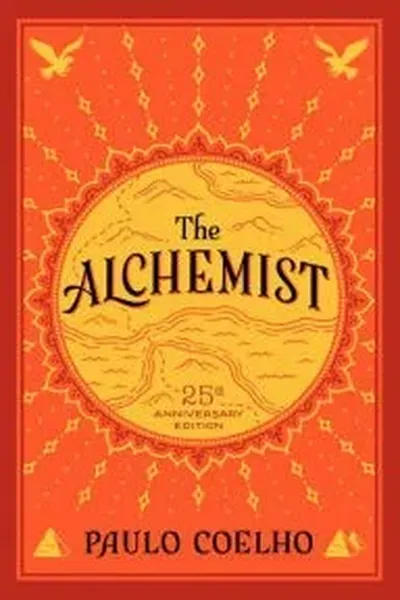
Published in 1998, "Veronika Decide Morrer" emerged during a period when global literary interest in existential themes and personal transformation was significant. Paulo Coelho, already a renowned author following the success of "The Alchemist" (1988), continued to explore spiritual and philosophical questions accessible to a wide audience. The novel's setting in a psychiatric hospital touched upon sensitive issues of mental health, a subject gaining more open discussion but still carrying considerable societal stigma. In contrast to the more clinical or psychological explorations of mental illness found in works by authors like Kay Redfield Jamison, Coelho's approach is allegorical, focusing on subjective experience and existential revelation. The book's reception was largely positive, contributing to Coelho's status as a global literary phenomenon, though some critics debated its portrayal of psychiatric institutions and recovery.
📔 Journal Prompts
Veronika's decision to die as a catalyst for living.
The concept of 'madness' versus societal norms.
Finding liberation within perceived confinement.
The discovery of profound meaning in ordinary moments.
The hospital as a symbol for societal structures.
🗂️ Glossary
Psychiatric Ward
A section of a hospital dedicated to the care of patients with mental health conditions, often characterized by specific protocols and patient populations.
Existentialism
A philosophical movement emphasizing individual existence, freedom, and choice, often exploring themes of meaning, anxiety, and the absurdity of life.
Societal Norms
Expected standards of behavior, beliefs, and values that are considered acceptable within a particular group or society.
Prognosis
A forecast of the likely course and outcome of a disease or ailment, often indicating the patient's chances of recovery.
Conformity
Behavior in accordance with socially accepted conventions or standards; adherence to group norms.
Authenticity
The quality of being genuine and true to oneself, rather than conforming to external expectations or pressures.
Liberation
The act of setting someone free from imprisonment, slavery, or oppression; the state of being free.