The Red String Book
 71
71

The Red String Book
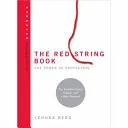
Yehuda Berg's "The Red String Book" attempts to distill a potent Kabbalistic symbol into a digestible format for a mass audience. The book effectively highlights the red string's role as a protective amulet against the 'Evil Eye,' a concept with deep roots in Jewish folklore. Berg's strength lies in his ability to present complex ideas with relative simplicity, making the technology accessible. However, the work occasionally verges on oversimplification, potentially reducing a rich spiritual tradition to a mere commodity. A particularly compelling section discusses the energetic properties of the string when tied with specific intent, drawing a direct parallel to ancient protective technologies. While it offers a valuable introduction, readers seeking deep Kabbalistic scholarship might find it lacks the nuanced theological and philosophical depth found in foundational texts. Ultimately, "The Red String Book" serves as a practical guide to a specific esoteric practice, offering a shield for the spiritually curious.
📝 Description
71
### What It Is
The Red String Book, first published in 2004 by Yehuda Berg, offers an accessible entry into the practical application of Kabbalistic principles, specifically focusing on the significance and use of the red string. It presents this amulet not as mere superstition, but as an ancient technology designed to shield the wearer from negative energies, particularly the concept of the 'Evil Eye.' The work aims to demystify esoteric tools, making them understandable for a modern audience seeking spiritual protection and empowerment.
### Who It's For
This book is suited for individuals curious about Kabbalah's protective practices, those who have seen or worn the red string and wish to understand its deeper meaning, and seekers looking for tangible methods to counteract perceived negative influences. It caters to both neophytes exploring esoteric symbolism and those already familiar with Kabbalistic concepts who want to focus on this specific protective technology.
### Historical Context
The red string has a long history, appearing in various cultures and spiritual traditions as a protective amulet. Within Kabbalistic thought, its use is often linked to Rachel the Matriarch and the concept of safeguarding oneself. Berg's work situates this practice within the broader framework of Kabbalistic wisdom, a tradition with roots stretching back centuries, notably influenced by texts like the Zohar and the teachings of figures such as Isaac Luria.
### Key Concepts
The central concept is the red string itself, understood as a conduit for divine energy and a shield. The book elaborates on the 'Evil Eye' (ayin hara), a form of spiritual harm or envy, and explains how the red string, often tied with specific rituals, acts as a countermeasure. It also touches upon the importance of intention and consciousness in activating the string's protective qualities, framing it as a tool for spiritual discipline and awareness.
💡 Why Read This Book?
• Understand the specific energetic function of the red string as a Kabbalistic technology, moving beyond simple superstition to grasp its role in spiritual protection as detailed in the book's explanation of the 'Evil Eye.' • Learn the practical application and intended use of the red string, as presented by Yehuda Berg, to actively engage with its protective qualities and cultivate greater spiritual awareness. • Gain insight into the historical lineage of protective amulets within Kabbalistic wisdom, contextualizing the red string's significance within a tradition dating back centuries, as discussed in the historical sections.
⭐ Reader Reviews
Honest opinions from readers who have explored this book.
❓ Frequently Asked Questions
What is the 'Evil Eye' according to The Red String Book?
The book describes the 'Evil Eye' (ayin hara) as a form of negative energy or spiritual harm, often stemming from envy or ill-will, which can adversely affect an individual's well-being and fortune.
How does the red string protect the wearer?
The red string acts as an energetic shield, absorbing negative forces and deflecting harmful influences. Its effectiveness is amplified by specific intentions and rituals performed during its application.
Is The Red String Book only for Kabbalists?
No, the book is written for a broad audience interested in spiritual protection and Kabbalistic wisdom, making concepts accessible even to those new to the subject.
When was The Red String Book first published?
The Red String Book was first published in 2004, as part of Yehuda Berg's "Technology for the Soul" series.
What is the significance of the color red in this context?
The color red is traditionally associated with protection and life force in many cultures, and within Kabbalah, it is believed to possess specific properties for warding off negative energy.
Who is Yehuda Berg?
Yehuda Berg was a prominent figure in the Kabbalah Centre and co-authored several influential books on Kabbalah, including the international bestseller "The 72 Names of God."
🔮 Key Themes & Symbolism
The Red String as Technology
This book frames the red string not as a simple charm, but as an ancient 'technology' designed for spiritual defense. It posits that the string, when properly prepared and worn, acts as a conduit for protective energy. This perspective shifts the understanding from passive superstition to active engagement with esoteric principles, emphasizing its role in safeguarding the wearer from external negative influences like the 'Evil Eye,' a core concept within Kabbalistic thought.
Protection from the Evil Eye
A primary focus is the concept of the 'Evil Eye' (ayin hara), a spiritual or energetic affliction believed to cause misfortune, illness, or bad luck. The work details how the red string functions as a barrier against these malevolent energies. It explains the mechanisms by which the string is thought to absorb or deflect such influences, drawing on traditional interpretations within Jewish mysticism and Kabbalah.
Kabbalistic Wisdom Demystified
Yehuda Berg aims to make the profound wisdom of Kabbalah accessible to a wider audience. "The Red String Book" serves as an entry point, translating esoteric concepts into practical applications. By focusing on a tangible object like the red string, the book bridges the gap between theoretical mysticism and everyday life, encouraging readers to integrate ancient spiritual technologies into their modern existence.
Spiritual Empowerment and Consciousness
Beyond mere protection, the book touches on how using the red string can foster a heightened sense of consciousness and personal empowerment. It suggests that the awareness required to wear and maintain the string encourages a more mindful approach to life's challenges. This focus on consciousness aligns with broader Kabbalistic teachings that emphasize the power of the mind and intention in shaping reality.
💬 Memorable Quotes
“The red string is the most widely recognized tool of Kabbalistic wisdom.”
— This statement highlights the ubiquity and cultural penetration of the red string, positioning it as a primary, accessible entry point into the complex world of Kabbalah for a global audience.
“Discover the antidote to the negative effects of the dreaded 'Evil Eye'.”
— This emphasizes the book's core promise: providing a practical solution, an 'antidote,' to a specific form of spiritual harm recognized within esoteric traditions, namely the 'Evil Eye.'
“Ancient technology that empowers and fuels the hugely popular Red String.”
— This interpretation positions the red string as more than a symbol; it's presented as a functional 'technology' from antiquity, designed to actively empower the user and drive positive spiritual outcomes.
“Author of the international best-seller 'The 72 Names of God: Technology for the Soul'.”
— This contextualizes Yehuda Berg's work, linking "The Red String Book" to his previous success and establishing a pattern of presenting Kabbalistic concepts as practical 'technologies' for spiritual development.
“Continue to reveal the secrets of the world's oldest and most powerful wisdom.”
— This suggests that the book is part of an ongoing effort to unveil hidden knowledge from Kabbalah, presenting it as an ancient yet potent system of wisdom relevant even today.
🌙 Esoteric Significance
Tradition
This work is firmly rooted in the Kabbalistic tradition, specifically drawing from the lineage popularized by the Kabbalah Centre. It interprets Kabbalistic principles through a lens of practical application and spiritual technology, aiming to make ancient concepts accessible. While adhering to the core tenets of safeguarding against negative energies and utilizing divine forces, Berg's approach emphasizes tangible tools and energetic mechanics, differing from more purely philosophical or mystical interpretations found in historical Kabbalistic texts.
Symbolism
The primary symbol is the red string itself, representing protection, life force, and a connection to divine energy. It is often tied in seven knots, with each knot representing a spiritual dimension or protective layer. Another key symbolic concept is the 'Evil Eye' (ayin hara), representing envy and malevolent spiritual influence, which the red string is designed to counteract. The color red itself carries significant symbolic weight, associated with blood, life, and warding off danger in many ancient traditions.
Modern Relevance
The work's emphasis on practical, tangible spiritual tools for modern life continues to resonate. Contemporary spiritual seekers, particularly those interested in protection amulets and accessible Kabbalistic practices, often turn to Berg's writings. Schools like the Kabbalah Centre continue to teach these principles, and the red string remains a visible symbol in popular culture, influenced by the accessibility provided by books like this one, bridging ancient mysticism with contemporary wellness trends.
👥 Who Should Read This Book
• Individuals seeking practical methods for spiritual protection: Those who feel vulnerable to negative energies or the 'Evil Eye' will find concrete techniques and explanations for using the red string as a shield. • Beginners exploring Kabbalistic concepts: Readers new to Kabbalah can use this book as an accessible entry point to understand a specific, tangible practice within the tradition. • Those interested in comparative symbolism: Individuals studying protective amulets across cultures will find the book's focus on the red string a useful case study within a specific mystical framework.
📜 Historical Context
Published in 2004, "The Red String Book" emerged during a period of renewed global interest in spirituality and esoteric practices, often referred to as the New Age movement. Yehuda Berg, building on the work of his father, Philip Berg, sought to popularize Kabbalistic teachings through accessible formats. This era saw numerous authors exploring ancient wisdom traditions, with figures like Doreen Virtue and Neale Donald Walsch also achieving significant readership in similar self-help and spiritual guidance genres. Berg's approach, however, specifically focused on Kabbalah, positioning it as a distinct 'technology for the soul,' a term he also used in his best-selling "The 72 Names of God." This focus distinguished his work from broader New Age syncretism, grounding it in a specific Jewish mystical lineage, though its popularization sometimes drew criticism from more traditional Kabbalistic circles for perceived oversimplification.
📔 Journal Prompts
The energetic properties of the red string: How might wearing it consciously alter your perception of external influences?
Understanding the 'Evil Eye': Reflect on instances where you might have experienced or inadvertently projected negative energy.
Kabbalistic technology: Consider how other ancient practices can be viewed as 'technologies' for spiritual development.
Rachel the Matriarch's role: Explore the significance of feminine divine protection within mystical traditions.
Intention and manifestation: How can focused intention enhance the effectiveness of spiritual tools like the red string?
🗂️ Glossary
Red String
A protective amulet, typically made of red wool yarn, worn on the wrist. In Kabbalah, it is believed to safeguard the wearer from negative energies and the 'Evil Eye.'
Evil Eye (Ayin Hara)
A concept in many cultures, including Jewish tradition, referring to harm or misfortune caused by envy, jealousy, or malevolent intent directed at a person or object.
Kabbalah
An esoteric tradition within Judaism that explores the mystical relationship between God and the created universe, often involving symbolic interpretations of scripture and divine emanations.
Technology for the Soul
A phrase coined by Yehuda Berg to describe Kabbalistic principles and practices as functional systems designed to improve one's spiritual state and connection to the divine.
Amulet
An object believed to possess magical properties, typically worn to protect the wearer from harm, evil, or bad luck.
Negative Energy
In esoteric contexts, refers to harmful or detrimental forces, influences, or vibrations that can negatively impact a person's well-being, emotions, or circumstances.
Rachel the Matriarch
One of the four matriarchs of Israel in Jewish tradition, often associated with protection and compassion, particularly for women and children.