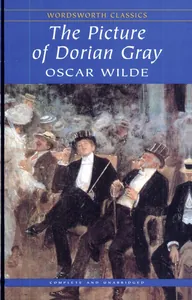
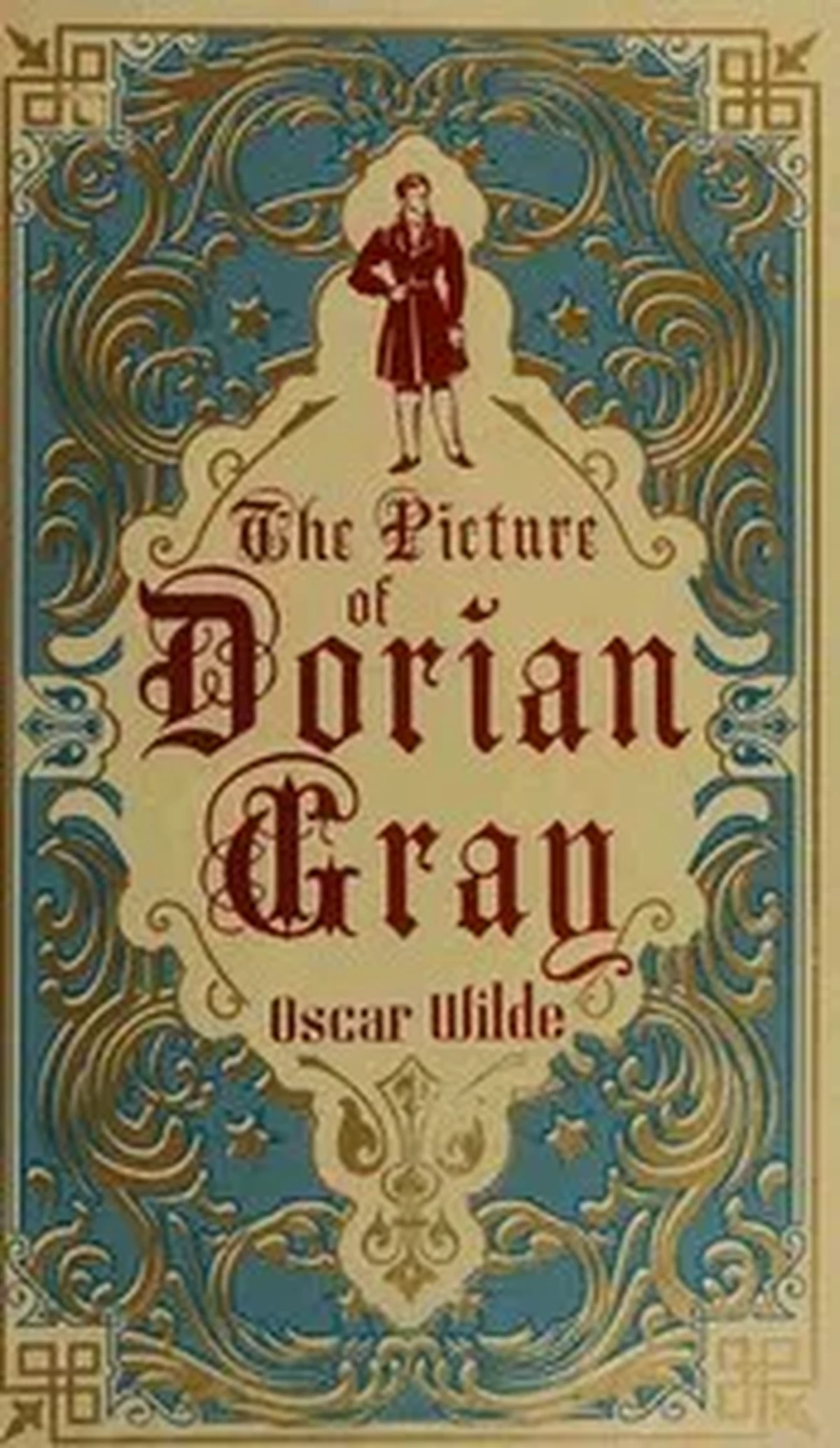
The Picture of Dorian Gray
 78
78

The Picture of Dorian Gray
Wilde’s only novel operates with the chilling precision of a perfectly cut gem, refracting the moral anxieties of its age through a prism of exquisite prose. The premise—a man’s portrait absorbing the ravages of his sin while he remains eternally youthful—is a potent metaphor. Its strength lies in the epigrammatic wit and the seductive philosophy espoused by Lord Henry Wotton, which, even when repellent, is undeniably brilliant. The limitation, however, is that the supporting characters, particularly Basil Hallward, can feel more like allegorical figures than fully realized individuals, serving primarily to advance Dorian’s narrative arc. The passage detailing Dorian’s descent into debauchery, where the portrait becomes a monstrous record of his soul’s degradation, is particularly striking in its implicit horror. It’s a novel that critiques aestheticism even as it embodies its stylish excess, leaving one to ponder the true cost of beauty.
📝 Description
78
### What It Is Oscar Wilde's sole novel, *The Picture of Dorian Gray*, first published in 1890, presents a Faustian bargain through the eyes of a young man whose portrait ages in his stead. The narrative follows Dorian Gray as he pursues a life of pleasure and vice, shielded from the physical consequences by the magically preserved beauty of his own image. This tale, steeped in aestheticism and decadence, explores the corrupting influence of unchecked desire and the nature of sin.
### Who It's For This work will appeal to readers interested in Gothic literature, philosophical explorations of morality, and the aesthetic movement of the late Victorian era. It is for those who appreciate intricate prose and a narrative that challenges conventional notions of beauty, youth, and consequence. Readers seeking a critical examination of hedonism and the societal pressures of appearance will find much to consider.
### Historical Context *The Picture of Dorian Gray* emerged from the fin-de-siècle period, a time of intense artistic and intellectual ferment in London. Wilde, a prominent figure in the Aesthetic Movement, crafted a story that reflected its core tenets: "art for art's sake." The novel's initial publication in *Lippincott's Monthly Magazine* in 1890 was met with controversy for its perceived immorality and homoerotic undertones, leading to revisions for its 1891 book publication. It stands in contrast to the more didactic novels of the era, prioritizing style and sensation.
### Key Concepts The novel is a profound exploration of the duality of human nature, the relationship between the soul and the physical form, and the destructive potential of vanity. It grapples with the idea that an obsession with superficial beauty can lead to moral decay, a concept that resonates within various philosophical traditions. The corrupting influence of Lord Henry Wotton's epigrams and the pervasive atmosphere of hidden sin are central to its thematic concerns.
💡 Why Read This Book?
• You will gain a complex understanding of aestheticism by examining how Oscar Wilde uses the narrative of Dorian Gray to critique the "art for art's sake" philosophy that he himself championed, particularly as it relates to the 1890 publication context. • You will explore the philosophical concept of the soul’s imprint on the physical form, inspired by the magically aging portrait, which serves as a visual representation of conscience absent in Dorian’s own outward appearance. • You will analyze the persuasive power of hedonistic philosophy through Lord Henry Wotton’s influential aphorisms, understanding how his words shape Dorian’s actions and the novel’s central moral dilemma.
⭐ Reader Reviews
Honest opinions from readers who have explored this book.
❓ Frequently Asked Questions
When was The Picture of Dorian Gray first published?
The Picture of Dorian Gray was first published in the July 1890 issue of Lippincott's Monthly Magazine, a British and American literary journal.
Who were Oscar Wilde's main influences for The Picture of Dorian Gray?
Wilde was influenced by Gothic novels like Mary Shelley's Frankenstein and by the philosopher Joris-Karl Huysmans's decadent novel Against Nature (À rebours), which inspired Lord Henry's influence on Dorian.
What is the Aesthetic Movement, and how does Dorian Gray relate to it?
The Aesthetic Movement, prominent in the late 19th century, emphasized "art for art's sake," prioritizing beauty and artistic form over moral or didactic content. Dorian Gray embodies this ideal to an extreme, exploring its potential moral consequences.
What is the significance of the portrait in the novel?
The portrait serves as Dorian's conscience and a visual record of his sins. While Dorian remains physically young and beautiful, the painting deteriorates, reflecting the corruption of his soul.
Was The Picture of Dorian Gray controversial upon its release?
Yes, the novel was highly controversial upon its 1890 publication due to its perceived decadence, homoerotic undertones, and exploration of themes considered immoral by Victorian society.
What is the relationship between Dorian Gray and Faust?
The novel is often compared to the Faust legend, where a protagonist makes a pact with a supernatural entity (in this case, implied through the magical portrait) to gain something desirable (eternal youth) at the cost of their soul.
🔮 Key Themes & Symbolism
The Corrupting Power of Influence
The narrative meticulously charts Dorian Gray's moral degradation, largely instigated by the cynical philosophies of Lord Henry Wotton. Lord Henry's pronouncements on youth, beauty, and pleasure act as a catalyst, persuading Dorian that physical perfection is the only aim. This theme explores how external forces, particularly seductive ideologies and manipulative personalities, can erode an individual's moral compass, leading them down a path of hedonism and vice. The novel suggests that the pursuit of pleasure without restraint, fueled by the fear of aging and the desire for eternal beauty, inevitably leads to spiritual and ethical bankruptcy, as the unseen portrait bears witness.
Duality of Appearance and Reality
Central to the work is the stark contrast between Dorian's unchanging, youthful facade and the hideous decay of his portrait. This dichotomy represents the Victorian era's obsession with respectability and the hidden sins beneath a polished surface. Dorian lives a double life: outwardly a charming aristocrat, inwardly a corrupted soul whose transgressions are visible only to him and the viewer of the painting. This theme probes the nature of identity, questioning whether true selfhood resides in outward presentation or inner moral state, and highlights the psychological burden of maintaining such a profound deception.
Art as a Mirror and Moral Agent
The enchanted portrait created by Basil Hallward functions as more than just a symbolic artifact; it becomes an active participant in Dorian's fate. It serves as a literal mirror to Dorian's soul, reflecting every act of cruelty and sin, growing more monstrous with each transgression. This elevates the concept of art from mere representation to a potent moral force, capable of recording and judging human actions. The novel questions the role of the artist and the artwork, suggesting that art, even when created with pure aesthetic intent, can bear the weight of the subject's moral reality.
The Cult of Beauty and Youth
The novel is a sharp critique of the Aesthetic Movement's emphasis on beauty above all else, particularly when it becomes an object of worship. Dorian's vanity and his pact are driven by an overwhelming fear of losing his physical attractiveness. This obsession blinds him to the value of his own soul and the consequences of his actions. Wilde examines how society's fixation on superficial appearances can lead individuals to neglect their inner development, fostering a culture where external perfection is pursued at the expense of ethical integrity, ultimately leading to self-destruction.
💬 Memorable Quotes
“There is no such thing as a moral or an immoral book. Books are well written, or badly written. That is all.”
— This epigram, attributed to Lord Henry, encapsulates the core tenet of the Aesthetic Movement: "art for art's sake." It suggests that art should be judged solely on its aesthetic qualities, divorced from any ethical considerations, a philosophy the novel both explores and ultimately questions through Dorian's fate.
“The only way to get rid of a temptation is to yield to it.”
— Another of Lord Henry's provocative statements, this quote champions hedonism and the pursuit of experience. It implies that resisting desire is futile and ultimately leads to repression, advocating instead for embracing one's impulses, a principle that directly guides Dorian's destructive lifestyle.
“Beauty is the only thing that time cannot harm. . . . Come, let us make this picture of Dorian Gray eternal.”
— This sentiment, expressed by Basil Hallward upon completing the portrait, reveals his adoration of Dorian's beauty and his desire to capture it. It foreshadows Dorian's own wish, setting the stage for the magical bargain where beauty is preserved at the expense of the soul.
“It was the face of his soul that he was looking at.”
— This describes Dorian's realization as he gazes upon the corrupted portrait. It signifies the moment he fully confronts the monstrous reality of his inner self, acknowledging that the painting has become the true representation of his moral decay, distinct from his preserved physical appearance.
“The supreme vice is futility.”
— Lord Henry's cynical observation posits that a life devoid of intense experience or significant sensation is the greatest failing. This idea fuels Dorian's pursuit of novelty and sensation, encouraging him to engage in acts that are morally reprehensible but experientially potent.
🌙 Esoteric Significance
Tradition
While not explicitly aligned with a single esoteric school, *The Picture of Dorian Gray* resonates with Hermetic and Gnostic themes concerning the separation of the spiritual (or true self) from the material (or physical body). The corrupted portrait can be seen as a symbol of the fallen soul or the corrupted microcosm, bearing the weight of sins committed by the macrocosm (Dorian's physical being). The narrative explores the consequences of prioritizing the fleeting beauty of the material world over the integrity of the inner, spiritual essence, a common concern in many mystical traditions.
Symbolism
The central symbol is the magically aging portrait, representing the soul's corruption and the inescapable record of one's deeds. The yellow book, given to Dorian by Lord Henry, symbolizes decadent knowledge and the seductive power of corrupting literature, akin to forbidden texts that promise illicit enlightenment. Dorian's pursuit of sensory experience and the avoidance of aging reflect a Gnostic disdain for the physical realm and a desire to transcend its limitations, albeit through a materialistic and ultimately self-destructive path.
Modern Relevance
Contemporary thinkers exploring transhumanism and the ethics of aesthetic modification find echoes of Dorian's quest for eternal youth and beauty. The novel's examination of curated online personas and the discrepancy between digital presentation and reality also holds modern relevance. Its critique of superficial values continues to inform discussions on celebrity culture, body image, and the psychological impact of societal pressures to maintain an idealized appearance, making it a perennial subject in critical theory and popular culture studies.
👥 Who Should Read This Book
• Students of Victorian literature and the Aesthetic Movement will find a key text that both embodies and critically examines its principles, offering insights into the cultural milieu of the late 19th century. • Readers interested in philosophical explorations of morality, hedonism, and the nature of sin will appreciate the novel's allegorical depth and its probing questions about consequence and responsibility. • Individuals drawn to Gothic literature and psychological studies of corruption will find a compelling narrative that uses supernatural elements to explore the dark potential of the human psyche.
📜 Historical Context
Published in 1890, *The Picture of Dorian Gray* arrived during London's fin-de-siècle, a period characterized by decadence, aestheticism, and anxieties about modernity. Oscar Wilde, a leading figure of the Aesthetic Movement, penned the novel, which championed "art for art's sake." This philosophy, which prioritized beauty and form over moral instruction, stood in contrast to the prevailing Victorian literary norms. The novel's initial reception was highly critical; reviewers condemned its perceived immorality and homoerotic undertones, leading to its exclusion from many libraries and contributing to Wilde's later legal troubles. The work engaged with contemporary debates on art, morality, and the nature of beauty, influenced by thinkers like Walter Pater and writers such as Joris-Karl Huysmans, whose novel *À rebours* directly inspired the character of Lord Henry Wotton.
📔 Journal Prompts
The corrupting influence of Lord Henry Wotton's epigrams on Dorian Gray.
The symbolic meaning of the portrait's degradation versus Dorian's unchanging appearance.
Basil Hallward's adoration of Dorian and its connection to the portrait's fate.
The concept of "sin" as depicted through Dorian's hidden actions and the portrait's visible decay.
The allure and ultimate emptiness of the pursuit of sensory experience.
🗂️ Glossary
Aestheticism
A late 19th-century art movement and literary philosophy that championed "art for art's sake," emphasizing beauty, sensory experience, and artistic form above moral or didactic purposes.
Decadence
A literary and artistic movement associated with Aestheticism, characterized by a fascination with artificiality, sensory experience, exoticism, and a rejection of traditional bourgeois values.
Epigram
A concise, witty, and often paradoxical statement or saying, such as those frequently uttered by Lord Henry Wotton, designed to provoke thought or amusement.
Faustian Bargain
A literary motif derived from the legend of Faust, involving a pact with the devil or a supernatural entity to gain knowledge, power, or pleasure, typically at the cost of one's soul.
Hedonism
The philosophical belief that pleasure or happiness is the sole or chief good in life. In the novel, this is pursued through sensory experience and the avoidance of pain.
Fin-de-siècle
French for "end of the century," referring to the cultural, artistic, and intellectual climate of the 1890s, marked by a sense of change, anxiety, and a departure from Victorian norms.
Gothic Literature
A genre characterized by elements of horror, mystery, and the supernatural, often set in atmospheric locations and exploring themes of decay, madness, and transgression.