The Goddess is in the Details

 77
77

The Goddess is in the Details

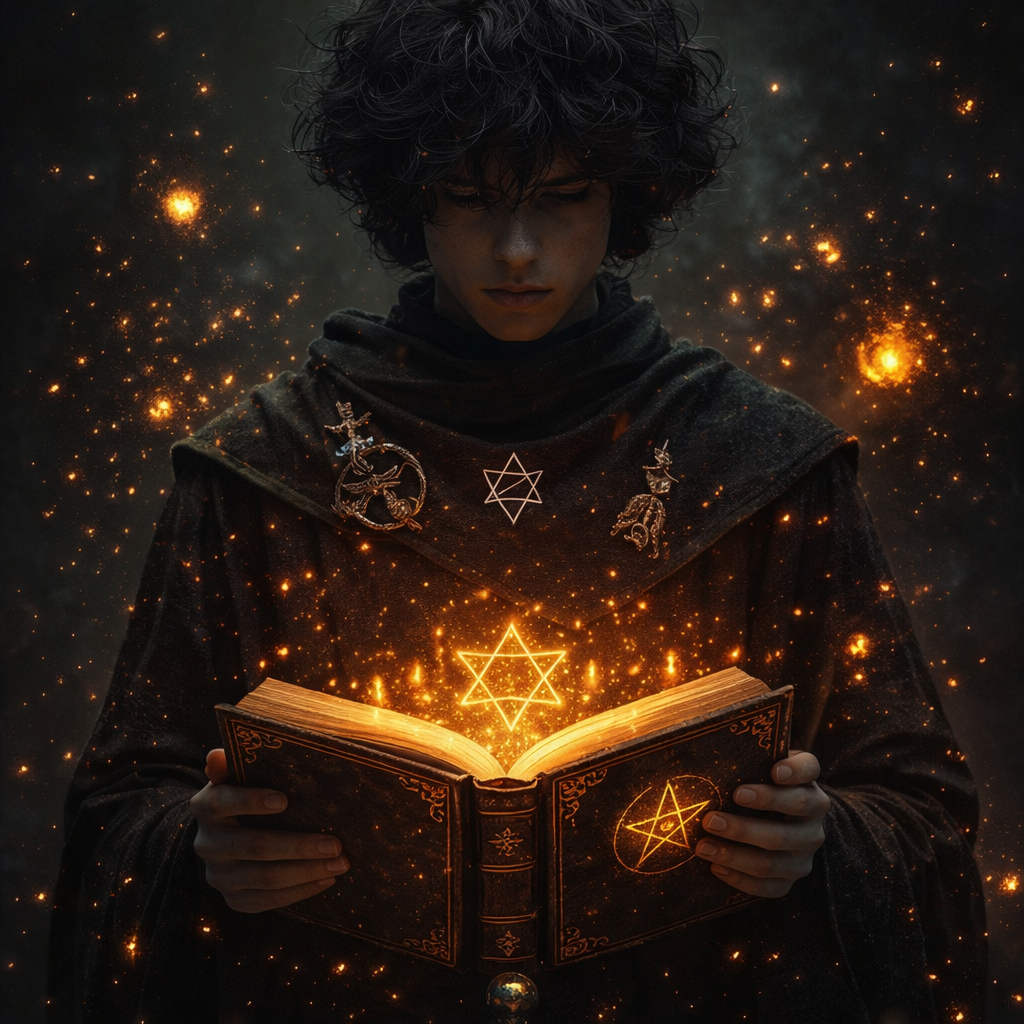

Deborah Blake’s “The Goddess is in the Details” attempts to bridge the gap between the altar and the hearth, a commendable goal for many modern practitioners. Blake’s strength lies in her accessible, down-to-earth tone, making concepts that might seem daunting feel manageable. The exploration of imbuing domestic tasks with magical intent, such as finding the divine in dishwashing, is particularly well-articulated. However, the book occasionally leans too heavily on a generalized "witchy" persona, which might feel less authentic to those with more specific Wiccan or Pagan paths. A passage discussing the inherent magic in gardening, for instance, vividly illustrates the book's core message, but the lack of deeper dives into specific pantheons or historical witchcraft traditions leaves some room for further exploration. It serves as a warm invitation rather than an exhaustive guide.
📝 Description
77
### What It Is The Goddess is in the Details, first published in 2009 by Deborah Blake, offers a practical approach to integrating Witchcraft into daily life. It moves beyond ceremonial rituals to highlight the magical potential inherent in mundane activities. The book emphasizes that being a Witch is a continuous practice, not confined to specific times or places.
### Who It's For This work is aimed at individuals who identify as Witches, Pagans, or Wiccans, particularly those seeking to ground their spiritual practice in everyday experiences. It will appeal to beginners looking for accessible guidance and experienced practitioners interested in refining their connection to the divine in ordinary moments.
### Historical Context Published in 2009, the book emerged during a period of significant growth and diversification within modern Paganism and Wicca. It aligns with a broader trend in esoteric literature that sought to demystify and make accessible spiritual practices, moving away from solely text-based or highly structured ritual forms. Blake's work can be seen as a contemporary echo of earlier feminist witchcraft movements that sought to reclaim the sacred in the domestic sphere, paralleling the domestic focus found in some interpretations of ancient Roman religion.
### Key Concepts The central tenet is the "everyday Witch." This concept posits that magic and divine connection are not separate from daily chores or routines but are intrinsically woven into them. The book encourages recognizing the sacred in the mundane, transforming tasks like cooking or cleaning into acts of devotion or spellcraft. It promotes a holistic approach to Witchcraft, where personal power and spiritual awareness permeate all aspects of life.
💡 Why Read This Book?
• Gain practical strategies for recognizing and cultivating the sacred in mundane activities, as Blake illustrates with specific examples of transforming chores into ritual, a concept central to her "everyday Witch" philosophy. • Discover accessible Pagan and Wicca spells designed for immediate application, moving beyond complex ceremonial structures to empower your daily routines, a key feature highlighted in the book's practical suggestions. • Connect with a philosophy that integrates spiritual practice with daily life, fostering a sense of continuous magical awareness, a core theme that distinguishes this work from ritual-focused texts.
why_read
⭐ Reader Reviews
Honest opinions from readers who have explored this book.
❓ Frequently Asked Questions
When was 'The Goddess is in the Details' first published?
The book was first published in 2009, positioning it within a contemporary wave of accessible Pagan and Wiccan literature.
What is the main focus of Deborah Blake's 'The Goddess is in the Details'?
The book's primary focus is on integrating Witchcraft and magical practice into everyday life, emphasizing that spirituality can be found in mundane activities.
Who is the author of 'The Goddess is in the Details'?
The author is Deborah Blake, known for her warm and practical approach to Witchcraft and Paganism.
What kind of spells or practices are included in the book?
The book includes practical suggestions and spells that are designed for everyday application, encouraging magic in moments beyond formal rituals.
Does the book require prior knowledge of Wicca or Paganism?
While prior knowledge can be helpful, the book is written in an accessible style, making it suitable for beginners looking to explore the "everyday Witch" concept.
What is the central philosophy promoted by the book?
The central philosophy is that being a Witch is a continuous, all-encompassing way of life, where the divine and magical are present in every moment, from hearth to altar.
🔮 Key Themes & Symbolism
Magic in the Mundane
This theme champions the idea that spiritual practice is not confined to set rituals or sacred spaces. Blake argues that magic can and should be woven into the fabric of daily life. From preparing meals to cleaning the home, these actions can be imbued with intention and divine connection. The book provides concrete examples, showing how to see the Goddess not just on the altar, but also in the steam rising from a kettle or the pattern of dust motes in sunlight, making Witchcraft a truly lived experience.
The Everyday Witch Persona
Blake defines the 'everyday Witch' as someone who lives their spiritual path continuously. This isn't about performing elaborate ceremonies but about a mindset that recognizes the sacred in all moments. It’s about embodying the principles of Witchcraft through actions, intentions, and a deep connection to the world. This concept encourages practitioners to find their personal power and divine connection in their unique circumstances, making the path accessible and sustainable for people with busy lives.
Practical Application of Paganism
The book offers tangible advice and spells that are easy to implement, moving beyond theoretical discussions. It provides tools for readers to actively engage with their beliefs without requiring extensive resources or specialized knowledge. Whether it's a simple charm for a healthier home or a ritual for grounding during a stressful day, the focus is on practical empowerment and spiritual growth through accessible means, reflecting a modern approach to Pagan and Wiccan practice.
Connecting Hearth and Altar
This theme emphasizes the unity of the sacred and the secular. Blake suggests that the energy generated in domestic life (the hearth) is just as potent and sacred as that invoked in formal ritual (the altar). By acknowledging and honoring the spiritual significance of home and daily tasks, practitioners can create a more integrated and fulfilling spiritual life. This perspective validates the importance of domesticity within a spiritual framework, offering a balanced view of Witchcraft.
💬 Memorable Quotes
“Being a Witch isn't limited to casting a spell under the full moon or consecrating a ritual circle.”
— This quote encapsulates the book's core message: Witchcraft is an encompassing lifestyle, not just a set of isolated practices. It challenges the notion that magic is reserved for special occasions, advocating for its integration into everyday existence.
“Whether you're calling the Goddess or doing the dishes, your wonderfully witchy ways are woven into everything you do.”
— This highlights the book's central thesis that spiritual practice and the divine are present in all actions, even the most mundane. It empowers readers to see their daily routines as potentially sacred acts.
“From the hearth to the altar, make magic in every moment.”
— This is a call to action, urging readers to find and create magic in both their domestic lives ('hearth') and their formal spiritual practices ('altar'), emphasizing a holistic approach to Witchcraft.
“With her signature down-to-earth wisdom and warmth, Deborah Blake takes you into the heart of what it means to be a Witch all day, every day.”
— This paraphrase emphasizes Blake's accessible writing style and the book's focus on making Witchcraft a continuous, integrated part of one's life, rather than a sporadic activity.
“Filled to the brim with practical suggestions, Pagan and Wicca spells, and helpful insights.”
— This description points to the book's value as a resource for actionable advice and spiritual tools, promising content that is both useful and grounded in Pagan and Wiccan traditions.
🌙 Esoteric Significance
Tradition
This work aligns with contemporary Neo-Pagan and Wiccan traditions, particularly those influenced by feminist spirituality and earth-based practices. It departs from strictly historical or initiatory forms of Wicca, such as Gardnerian or Alexandrian, by prioritizing personal experience and accessible integration into secular life. The emphasis on immanent divinity, found within the mundane, echoes concepts present in Goddess spirituality movements that gained prominence in the late 20th century.
Symbolism
While not heavily reliant on complex symbolic systems, the book implicitly utilizes the 'hearth' as a symbol of domesticity, warmth, and the sacred feminine in the home. The 'altar' represents formal worship and connection to the divine. The act of 'doing the dishes' or 'gardening' becomes symbolic, representing the transformation of the mundane into the sacred through conscious intention and ritualistic framing, a key motif in finding the divine in everyday actions.
Modern Relevance
Blake's philosophy resonates strongly with current trends in mindfulness, intentional living, and the popularization of witchcraft outside traditional religious structures. Contemporary practitioners drawn to self-help spirituality, eco-feminism, and the desire for a more integrated spiritual life often find her approach applicable. Her work serves as a foundational text for those seeking to demystify witchcraft and make it a practical, ongoing part of their lives in the 21st century.
👥 Who Should Read This Book
• Individuals new to Paganism or Wicca seeking an accessible entry point that emphasizes practical application over complex theory. • Busy practitioners who feel their spiritual lives are separate from their daily routines and wish to integrate magic more seamlessly into their lives. • Those interested in Goddess spirituality who want to explore finding the divine within domesticity and everyday experiences, moving beyond traditional ritual contexts.
📜 Historical Context
Published in 2009, 'The Goddess is in the Details' arrived as modern Paganism and Wicca continued to diversify and mature. The early 21st century saw a growing interest in making esoteric practices accessible and relevant to contemporary lives, moving beyond the more structured forms that dominated earlier in the Wiccan revival. Deborah Blake’s work aligns with this trend, emphasizing the integration of spirituality into the domestic sphere, a concept echoed by earlier feminist witchcraft writers like Starhawk, though Blake's approach is perhaps more overtly focused on the 'everyday magic' of mundane tasks. The book entered a landscape populated by numerous authors exploring personal spirituality, contrasting with the more monolithic presentation of Wicca seen in the mid-20th century. Its reception was generally positive among practitioners seeking grounded, practical guidance for integrating their faith into daily living, differing from more academic or ritual-centric explorations of witchcraft.
📔 Journal Prompts
Reflect on the magical potential inherent in your least favorite household chore.
Consider how the concept of the 'everyday Witch' can be applied to your professional life.
Identify three mundane objects in your home that could be seen as sacred symbols.
Explore the connection between the 'hearth' and the 'altar' in your personal spiritual practice.
Describe a time you felt a profound spiritual connection during a routine activity.
🗂️ Glossary
Everyday Witch
A practitioner who integrates magical and spiritual awareness into all aspects of daily life, seeing the sacred in mundane activities rather than solely in formal rituals.
Hearth
Symbolically represents the home, domesticity, family, and the warmth of everyday life. In this context, it signifies the sacredness found within the domestic sphere.
Altar
Represents the formal space for ritual, worship, and direct connection with the divine or deities. It is the traditional focal point for magical practice.
Pagan
A broad term for polytheistic or earth-centered religions, often characterized by reverence for nature and a pantheon of deities. Includes traditions like Wicca.
Wicca
A contemporary Neopagan religion based on Wiccan traditions, often involving reverence for the Goddess and God, nature cycles, and magical practice.
Goddess
In many Pagan and Goddess-centric traditions, refers to the divine feminine principle, often worshipped as a supreme deity or as part of a divine couple.
Ritual
A set of actions performed in a prescribed order, often for religious or spiritual purposes, designed to create a sacred space or invoke specific energies or entities.