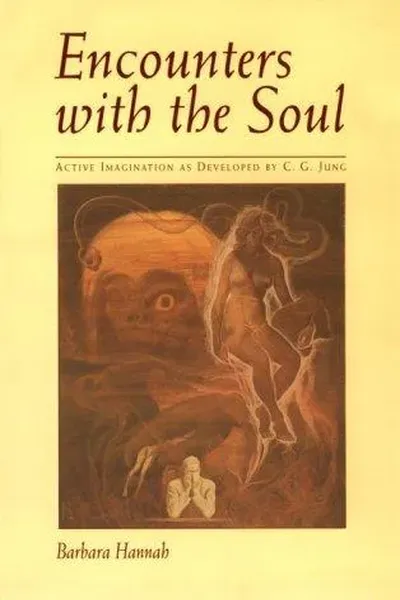
The archetypal symbolism of animals

 72
72

The archetypal symbolism of animals
Barbara Hannah's "The Archetypal Symbolism of Animals" provides a detailed, if somewhat dense, examination of animal imagery through a Jungian lens. The strength lies in its meticulous cataloging of animal symbols and their cross-cultural resonance, particularly the chapter on the lion as a symbol of psychic power and the ego. However, the prose can occasionally feel overly academic, and the direct engagement with modern psychological discourse is limited, making it feel rooted firmly in mid-20th-century Jungianism. A specific passage detailing the symbolic significance of the snake in relation to transformation and the unconscious is particularly illustrative of Hannah's method. Ultimately, it's a valuable, albeit specialized, resource for those deeply invested in symbolic studies.
📝 Description
72
### What It Is
Barbara Hannah's "The Archetypal Symbolism of Animals" offers a deep exploration into the symbolic language of the animal kingdom as it appears in mythology, folklore, and psychological interpretation. It moves beyond simple bestiaries to uncover the profound psychological and spiritual meanings animals carry across cultures. The work examines how these creatures, from the serpent to the eagle, represent fundamental aspects of the human psyche and the cosmic order.
### Who It's For
This book is intended for students of depth psychology, comparative mythology, and esoteric traditions. Readers interested in Jungian archetypes, particularly as they manifest in the natural world, will find substantial material. It is also for those seeking to understand the symbolic underpinnings of ancient stories and their relevance to contemporary inner life.
### Historical Context
Published originally in 2006, Hannah's work emerged from a period of renewed interest in Carl Jung's analytical psychology and its application to broader cultural phenomena. The mid-20th century saw significant developments in Jungian thought, with figures like Marie-Louise von Franz also extensively studying fairy tales and archetypes. Hannah's focus on animal symbolism aligns with this tradition of exploring the unconscious through symbolic imagery, building upon a lineage that recognized the inherent symbolic weight of natural forms.
### Key Concepts
The book investigates the concept of the 'anima mundi' (world soul) as it is reflected in animal archetypes. It discusses how specific animals embody particular psychic functions or developmental stages. For instance, the lion might represent courage and raw power, while the tortoise symbolizes ancient wisdom and endurance. Hannah also touches upon the idea of animal totems and their connection to ancestral memory and collective unconscious patterns.
💡 Why Read This Book?
• Gain an understanding of how specific animals like the eagle or the serpent function as archetypal symbols, connecting them to psychic states as explored in Hannah's detailed analysis. • Learn about the Jungian concept of the 'collective unconscious' and how animal imagery acts as a conduit to these shared, inherited patterns of the human psyche. • Discover the symbolic significance of animal totems and their connection to ancestral memory, as presented in the book's exploration of primal human connections to the natural world.
⭐ Reader Reviews
Honest opinions from readers who have explored this book.
❓ Frequently Asked Questions
What is the primary focus of Barbara Hannah's "The Archetypal Symbolism of Animals"?
The book's primary focus is the deep psychological and spiritual meaning of animals as symbols across various cultures and mythologies, viewed through the lens of Jungian psychology.
When was "The Archetypal Symbolism of Animals" first published?
The book was first published in 2006, though Barbara Hannah was active as a psychologist and writer much earlier in the 20th century.
Does the book explore specific animal archetypes?
Yes, it delves into the symbolic meanings of various animals, such as the lion representing psychic power, the serpent symbolizing transformation, and the eagle embodying spiritual aspiration.
Is this book suitable for beginners in Jungian psychology?
While accessible to those with some familiarity, its depth and specific terminology might be best appreciated by readers already acquainted with Jungian concepts like archetypes and the collective unconscious.
What esoteric traditions does the book draw upon?
It is firmly rooted in analytical psychology, particularly the work of Carl Jung, and draws on comparative mythology, folklore, and religious symbolism.
How does Hannah connect animals to the human psyche?
Hannah connects animal symbolism to fundamental aspects of the human psyche, viewing them as representations of instinctual drives, psychic functions, and spiritual potentials.
🔮 Key Themes & Symbolism
Animal as Psychic Mirror
Hannah posits that animals in myths and dreams serve as direct reflections of our own inner psychic landscape. They are not mere creatures but embodiments of instinctual energies, developmental stages, and fundamental human experiences. The book examines how the perceived characteristics of animals—the lion's ferocity, the owl's wisdom, the snake's transformation—correspond to specific psychological complexes and archetypal patterns within the human unconscious, offering a unique lens for self-understanding.
Mythological Resonance
The work thoroughly investigates how animal figures populate global mythologies and fairy tales, acting as crucial narrative elements and symbolic carriers. These aren't arbitrary inclusions; Hannah argues they represent universal truths about humanity's relationship with the natural world and the divine. By analyzing stories from diverse cultures, she demonstrates a shared symbolic language where animals often guide heroes, represent challenges, or embody divine forces, illuminating collective human consciousness.
Totemism and Ancestral Memory
A significant aspect explored is the concept of totemism and its link to ancestral memory. Hannah touches upon how certain animals might have been perceived as spiritual guides or kin, deeply connected to tribal identity and lineage. This connection extends to the idea of inherited psychological patterns, suggesting that our resonance with specific animals can indicate a connection to deep-seated, ancestral psychic structures present in the collective unconscious.
Spiritual and Transformational Power
Beyond psychological interpretation, the book highlights the spiritual power animals symbolize. Many myths portray animals as messengers from the divine, agents of transformation, or embodiments of primal creative forces. Hannah explores how engaging with these animal archetypes can facilitate personal growth, spiritual awakening, and a deeper connection to the 'anima mundi' or world soul, suggesting a pathway for inner alchemy through symbolic awareness.
💬 Memorable Quotes
“Animals are not just external beings but are also expressions of the psyche.”
— This statement encapsulates the core thesis: that our perception and the symbolic roles of animals in stories are deeply intertwined with our internal psychological structures and unconscious dynamics.
“The serpent symbolizes transformation and the unconscious.”
— This highlights a key animal archetype discussed, linking the snake's shedding of skin to psychological metamorphosis and its chthonic nature to the hidden depths of the mind.
“The lion represents psychic power and the ego's strength.”
— This points to the symbolic function of the lion, illustrating how its perceived attributes in nature are mirrored in the psychological realm as representations of personal power and selfhood.
“Animal symbols connect us to the collective unconscious.”
— This paraphrase emphasizes the Jungian concept that animal imagery in myths and dreams taps into a shared reservoir of human experience and instinctual patterns.
“Mythological animals often act as guides or challenges.”
— This interpretation reflects the narrative function of animal archetypes in stories, where they can either aid the protagonist's journey or present significant obstacles to overcome.
🌙 Esoteric Significance
Tradition
The work is deeply embedded within the tradition of analytical psychology, specifically the Jungian school. It interprets animal symbolism not merely as cultural artifacts but as manifestations of the collective unconscious and archetypal psychology. While not strictly Hermetic or Kabbalistic, it shares with these traditions an emphasis on symbolic language as a key to understanding hidden realities and the structure of consciousness.
Symbolism
Key symbols explored include the serpent, representing transformation, psychic energy, and the chthonic realm, often linked to the unconscious. The lion is frequently discussed as an emblem of psychic power, courage, and the ego's primal force. The eagle, conversely, often signifies spiritual aspiration, transcendence, and a connection to higher consciousness, embodying the vertical dimension of the psyche.
Modern Relevance
Contemporary depth psychologists, comparative mythologists, and seekers interested in archetypal studies continue to draw upon Hannah's meticulous analysis. Her work is relevant to modern discussions on ecopsychology and the human relationship with nature, offering a symbolic perspective on our innate connection to the animal kingdom. It also informs therapeutic practices focused on dream analysis and the exploration of unconscious material.
👥 Who Should Read This Book
• Students of Jungian psychology: Those studying the works of Carl Jung and his followers will find this book an invaluable resource for understanding the manifestation of archetypes in the natural world. • Comparative mythology enthusiasts: Readers interested in cross-cultural myths and folklore will appreciate Hannah's detailed exploration of animal roles and significance across diverse traditions. • Individuals exploring personal symbolism: Anyone seeking to understand the deeper psychological meaning behind recurring animal imagery in dreams or personal reflections will benefit from its insights.
📜 Historical Context
Barbara Hannah's "The Archetypal Symbolism of Animals" emerged from the fertile ground of mid-20th-century analytical psychology, particularly the influential work of Carl Jung and his collaborators. Jung's exploration of archetypes and the collective unconscious provided a framework for understanding universal symbolic patterns, a path extensively followed by his students. Marie-Louise von Franz, another prominent Jungian analyst, was also deeply engaged with analyzing fairy tales and myths, often touching upon animal symbolism, creating an intellectual milieu where Hannah's work found its place. The book, though first published in 2006, builds directly on this legacy, offering a specialized study that resonated with those seeking deeper meaning in the natural world through a psychological lens. It stands as a testament to the enduring power of Jungian thought in interpreting cultural and symbolic phenomena, even as other psychological schools gained prominence.
📔 Journal Prompts
The serpent as a symbol of transformation: how does its shedding of skin mirror personal psychological change?
Reflect on the lion archetype: what does its representation of psychic power signify in your own life?
Consider the eagle's symbolism: in what ways does it point towards spiritual aspiration or the need for transcendence?
Analyze the role of animal totems in mythology: what might this suggest about humanity's ancestral connection to the natural world?
Explore the 'anima mundi': how do animal archetypes serve as expressions of this world soul?
🗂️ Glossary
Archetype
In Jungian psychology, a universal, inherited pattern of thought or imagery derived from the collective unconscious, which manifests in behavior and experience.
Collective Unconscious
A concept introduced by Carl Jung, referring to the part of the unconscious mind that is common to all humanity, containing inherited psychic predispositions and universal patterns.
Anima Mundi
Latin for 'world soul'; a concept in various philosophical and mystical traditions suggesting an intrinsic connection between all beings and the cosmos.
Psychic Power
Refers to the energy, force, or capacity of the psyche, encompassing instinctual drives, emotional strength, and psychological resilience.
Totemism
A spiritual practice where a natural object, animal, or being is believed to have a spiritual connection with a person or group, often serving as a symbol of identity.
Jungian Psychology
A school of psychology founded by Carl Jung, focusing on concepts such as archetypes, the collective unconscious, individuation, and the symbolic interpretation of dreams and myths.
Symbolism
The practice or art of using an object or a word to represent abstract ideas or qualities, particularly in mythology, religion, and psychology.