Saint Odd

 72
72

Saint Odd
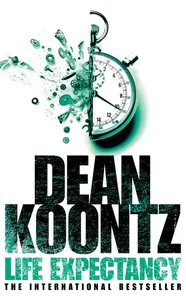
Saint Odd achieves a poignant, if brutal, finality for Dean Koontz's beloved Odd Thomas character. The decision to confine the narrative to a single, climactic Christmas Day amplifies the tension, presenting a desperate race against oblivion that feels both epic and intensely personal. Koontz masterfully orchestrates the escalating stakes, forcing Odd into a series of agonizing choices that test the limits of his courage and his capacity for love. The confrontation with Gabriel, the embodiment of ultimate darkness, is chillingly rendered. However, the novel's relentless grimness, while thematically consistent, occasionally overshadows the earlier, more whimsical elements that made Odd Thomas so endearing. The conclusion, while earned, offers little solace, leaning heavily into the tragic aspects of Odd's destiny. Nevertheless, Koontz delivers a powerful, thought-provoking end to a remarkable series, leaving readers to ponder the nature of heroism and sacrifice long after the final page.
Verdict: A somber yet fitting conclusion that prioritizes thematic weight over comfort.
📝 Description
72
### What It Is
Saint Odd, published in 2015, marks a significant entry in Dean Koontz's prolific bibliography. It functions as a concluding chapter in the Odd Thomas series, bringing a beloved protagonist to a definitive, and often grim, resolution. The narrative unfolds across a single, crucial day, December 25th, as Odd Thomas confronts his ultimate nemesis, Gabriel, on Christmas Day. This installment is characterized by its intense focus on the impending apocalypse and the profound personal sacrifices Odd must make to protect the world from an encroaching darkness. The book delves into themes of fate, free will, and the nature of evil, all within Koontz's signature blend of suspense, supernatural elements, and character-driven drama.
### Who It's For
This work is primarily for dedicated followers of the Odd Thomas series, who have followed the protagonist's unique journey since its inception in 2003. Readers invested in Odd's character development and his ongoing battle against supernatural threats will find this a necessary, albeit emotionally taxing, conclusion. It also appeals to fans of supernatural thrillers that explore philosophical questions about good versus evil and the human condition under extreme duress. Those who appreciate narratives that offer a sense of closure, even if bittersweet, and enjoy suspenseful pacing with a strong moral compass will find this novel compelling.
### Historical Context
Published in 2015, Saint Odd arrived during a period where supernatural thrillers and apocalyptic narratives remained popular in popular culture. Dean Koontz, already a well-established author with a significant readership, was known for his ability to blend genres and create relatable, if extraordinary, characters. The Odd Thomas series, which began in 2003, had cultivated a loyal following over its previous installments, including *Odd Thomas* (2003), *Forever Odd* (2004), *Brother Odd* (2005), *Odd Hours* (2008), *Odd Thomas: In the Balance* (2010), and *Odd Thomas: You Are Destined to Be My Any Day Now* (2011). The series often touched upon themes of destiny and the supernatural, placing it within a broader landscape of speculative fiction that grappled with the end times and the struggle against malevolent forces, a common thread in literature since at least the Gnostic traditions.
### Key Concepts
The core of Saint Odd revolves around the concept of ultimate confrontation. Odd Thomas, a diner cook with the ability to see and interact with the dead, faces his creator and antagonist, Gabriel, in a battle for the fate of humanity. The novel explores the idea of destiny versus free will, questioning whether Odd's actions are predetermined or if he truly has agency in his final choices. The pervasive presence of darkness, both external and internal, is a central motif, as is the theme of sacrifice. Odd's journey is one of profound personal cost, highlighting the burdens of his unique abilities and the moral imperative to act, even when the outcome promises devastation. The finality of the narrative emphasizes the cyclical nature of good and evil and the enduring struggle for balance.
💡 Why Read This Book?
• Understand the ultimate fate of Odd Thomas, the psychic fry cook, as he confronts his nemesis Gabriel on Christmas Day in *Saint Odd*, learning about the nature of final sacrifice. • Explore the philosophical conflict between destiny and free will as Odd grapples with his predetermined role, a concept echoing ancient debates on fate. • Witness a masterclass in suspense building as Koontz uses the ticking clock of December 25th, 2015, to heighten the stakes of global annihilation.
⭐ Reader Reviews
Honest opinions from readers who have explored this book.
❓ Frequently Asked Questions
What is the significance of Christmas Day in Saint Odd?
Christmas Day, December 25th, 2015, is the specific day Odd Thomas must confront Gabriel. This choice by Koontz imbues the narrative with symbolic weight, juxtaposing the traditional themes of peace and salvation with the impending apocalypse and ultimate sacrifice.
Who is Gabriel in Dean Koontz's Saint Odd?
Gabriel is the ultimate antagonist in the Odd Thomas series, representing the embodiment of pure darkness and evil. He is the force behind many of the supernatural calamities Odd has faced, and Saint Odd depicts their final, world-altering confrontation.
Does Saint Odd provide closure for the Odd Thomas series?
Yes, Saint Odd is explicitly designed to provide a definitive conclusion to the Odd Thomas series. It brings the overarching conflict to its final resolution, exploring the ultimate consequences of Odd's abilities and his battles.
What are the main themes explored in Saint Odd?
The novel delves into profound themes such as fate versus free will, the nature of ultimate evil, the meaning of sacrifice, and the enduring struggle between light and darkness, all within the context of Odd Thomas's final mission.
When was Saint Odd published?
Saint Odd was first published in 2015, serving as the final installment in the Odd Thomas series, which began with the release of *Odd Thomas* in 2003.
What is Odd Thomas's unique ability?
Odd Thomas possesses the ability to see and commune with the dead, who appear to him as lingering spirits. He also experiences premonitions and visions of future catastrophes, which he feels compelled to prevent.
🔮 Key Themes & Symbolism
The Ultimate Confrontation
Saint Odd centers on the final, world-altering confrontation between Odd Thomas and Gabriel, the ultimate embodiment of evil. This battle transcends mere physical conflict, representing a clash between cosmic forces of light and darkness. The narrative escalates the stakes from Odd's personal battles to a global, apocalyptic event, forcing him to face his destiny head-on. The novel examines the nature of good's responsibility to confront overwhelming evil, even at the highest personal cost, echoing themes found in Gnostic dualism where the material world is seen as a battleground for spiritual forces.
Fate vs. Free Will
A recurring theme in the Odd Thomas series, the tension between preordained destiny and individual free will is brought to its apex in Saint Odd. Odd grapples with the knowledge that his path may be set, particularly in his final confrontation with Gabriel. The narrative questions whether his choices are truly his own or if he is merely playing out a script written by higher powers, or by the malevolent forces he fights. This philosophical debate is central to Odd's internal struggle and his understanding of his role in the grand cosmic order.
Sacrifice and Love
The concept of sacrifice is paramount in Saint Odd. Odd Thomas is consistently faced with choices that demand immense personal cost, and his ultimate confrontation represents the pinnacle of this theme. His willingness to sacrifice everything – his life, his peace, and potentially the well-being of those he loves – for the sake of humanity underscores the power of love as a redemptive and protective force. This selfless devotion, even in the face of overwhelming despair, highlights the profound human capacity for heroism and altruism, a core tenet in many spiritual philosophies.
The Nature of Evil
Dean Koontz uses Gabriel to personify absolute evil, a force that seeks not just destruction but the eradication of hope and goodness. Saint Odd explores the origins and manifestations of this darkness, presenting it as an ancient, pervasive entity. The novel probes whether such pure evil can be defeated or merely contained, and the philosophical implications of its existence. This exploration of malevolence, particularly in its ultimate form, resonates with ancient traditions that sought to understand and combat primal forces of chaos and corruption.
💬 Memorable Quotes
“Christmas Day, 2015. The end of the world, or the beginning of the rest of his life.”
— This quote encapsulates the dual nature of the narrative's climax. It highlights the apocalyptic stakes of Odd's final confrontation, suggesting the world as he knows it will end, while also hinting at a potential, albeit uncertain, continuation or transcendence for Odd himself.
“He was an angel, he was a demon, he was the devil himself.”
— This refers to Gabriel, the ultimate antagonist. It reflects the multifaceted and terrifying nature of this evil, suggesting it transcends simple categorization. Gabriel embodies a primal, all-encompassing malevolence that is both divine in its power and demonic in its intent.
“He had to save the world, no matter the cost.”
— This summarizes Odd Thomas's unwavering moral imperative. Despite the personal devastation and the grim outlook, his dedication to protecting humanity drives his actions. It speaks to the core of his character and the heroic sacrifices he is willing to make.
“The darkness was not merely outside him, but within.”
— This interpretation suggests that the struggle against evil is not solely external but also an internal battle. Odd, like all humans, contends with his own fears, doubts, and the potential for despair, which can be as destructive as any external force.
“He saw the dead, and he saw the future, but he couldn't see his own end.”
— This poignant observation speaks to Odd's unique abilities and his ultimate fate. While he possesses supernatural foresight regarding global events and the spirits of the departed, his personal destiny, particularly its finality, remained obscured until the very end.
🌙 Esoteric Significance
Tradition
While not explicitly tied to a single esoteric tradition, the Odd Thomas series, culminating in Saint Odd, draws upon themes common in dualistic philosophies, particularly Gnosticism. The concept of a protagonist who perceives a hidden reality (the dead, future calamities) and battles a malevolent cosmic force (Gabriel) aligns with Gnostic ideas of a flawed material world and the struggle against Archons or a Demiurge. Odd's role as a reluctant savior, burdened by knowledge and tasked with intervening in earthly affairs, reflects the Gnostic 'elect' who possess gnosis and are meant to liberate themselves and others from ignorance.
Symbolism
The recurring motif of the dead, visible only to Odd, symbolizes the veil between the mundane and the spiritual realms, a common concept in shamanic and esoteric traditions. Gabriel, as the personification of ultimate darkness, represents the primal chaos or malevolence that must be confronted. Christmas Day, the setting for the final confrontation, is symbolically rich, juxtaposing the birth of spiritual light and hope with the impending apocalypse, highlighting the eternal struggle between creation and destruction, order and chaos.
Modern Relevance
The Odd Thomas series, and Saint Odd in particular, continues to resonate with modern audiences interested in the supernatural and the philosophical questions surrounding good and evil. Contemporary spiritual seekers and practitioners who explore concepts of destiny, karma, and the battle against negative forces often find parallels in Odd's journey. The idea of an ordinary individual endowed with extraordinary perception and responsibility speaks to modern archetypes of the reluctant hero facing existential threats, a theme explored in various forms of contemporary mysticism and New Age thought.
👥 Who Should Read This Book
• Followers of the Odd Thomas series seeking definitive closure for the character's arc and his epic struggle against Gabriel. • Readers of supernatural thrillers who appreciate narratives blending suspense, character depth, and philosophical explorations of good versus evil. • Those interested in how contemporary fiction can explore themes of destiny, sacrifice, and the human response to apocalyptic scenarios.
📜 Historical Context
Published in 2015, Saint Odd concluded Dean Koontz's Odd Thomas series, which began in 2003. The early 21st century saw a continued fascination with apocalyptic narratives and supernatural thrillers, genres Koontz expertly navigated. His work often blended suspense with a strong moral core, distinguishing him from some of the more nihilistic or graphically violent contemporaries in the horror and thriller space. While not directly engaging with a specific intellectual movement like Gnosticism, the series' exploration of a protagonist gifted (or cursed) with supernatural sight and a mission to combat evil echoes ancient dualistic cosmologies. Koontz's established reputation meant that his works, including this series finale, were widely anticipated and received by a devoted readership. The series itself, spanning multiple novels and novellas, represented a significant narrative arc within contemporary popular fiction, offering a consistent universe of supernatural intrigue and human resilience.
📔 Journal Prompts
Odd's final confrontation with Gabriel on Christmas Day, 2015.
The burden of Odd's unique abilities and his perceived destiny.
Reflect on the nature of sacrifice as depicted in Odd's choices.
Consider the symbolism of the dead as seen by Odd Thomas.
Analyze the tension between fate and free will in the face of ultimate evil.
🗂️ Glossary
Odd Thomas
The protagonist of the series, a young man with the ability to see and interact with the dead and to receive premonitions of future tragedies.
Gabriel
The primary antagonist of the Odd Thomas series, representing an ultimate, cosmic evil and the force behind many of the world's calamities.
Bodachs
Eerie, spectral creatures that feed on tragedy and despair, visible only to Odd, who herald impending disasters.
Protagonist
The main character around whom a story revolves; in this case, Odd Thomas.
Antagonist
A character or force that opposes the protagonist; in this case, Gabriel.
Apocalypse
A prophetic disclosure or revelation, often concerning the end of the world or a great cataclysm.
Nemesis
A long-standing rival or archenemy, often representing an insurmountable obstacle.