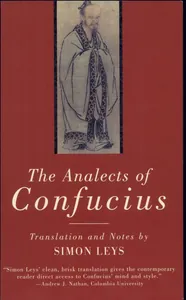
Lun yü

 72
72

Lun yü
The *Lun yu* presents a compelling, albeit sometimes fragmented, portrait of Confucius. Its enduring strength lies in its directness; the aphorisms often cut to the core of ethical dilemmas with remarkable clarity. A passage that particularly stands out concerns the master’s approach to learning, emphasizing that true understanding comes from diligent study and reflection, not mere rote memorization. However, the compilation’s episodic nature can be a limitation. Without a guiding narrative, readers must actively synthesize the teachings, piecing together a coherent philosophy from scattered pronouncements. The work’s focus on social harmony and hierarchical relationships, while central to its historical context, may require careful interpretation for modern sensibilities. Nevertheless, the *Lun yu* remains an indispensable guide to cultivating personal virtue and understanding the foundations of East Asian ethical thought.
📝 Description
72
### What It Is
The *Lun yu* (often translated as *The Analects*) is a foundational text in Chinese philosophy, compiled by the disciples of Confucius after his death. It is not a systematic treatise but a collection of aphorisms, dialogues, and anecdotes that offer glimpses into the mind and teachings of the sage. The work primarily concerns ethics, governance, and the cultivation of virtue, presenting a vision of a well-ordered society based on moral principles and ritual propriety.
### Who It's For
This text is essential for anyone studying the history of East Asian thought, political philosophy, or ethical systems. It is particularly relevant for those interested in the concept of the 'gentleman' (junzi) and the practical application of moral cultivation in personal and public life. Scholars of comparative philosophy and intellectual history will find its influence pervasive.
### Historical Context
The *Lun yu* emerged during the Spring and Autumn period (771–476 BCE), a time of significant political fragmentation and intellectual ferment in China. Confucius (Kong Fuzi, 551–479 BCE) sought to restore social order and moral harmony through a revival of ancient Zhou dynasty traditions and a focus on humanistic ethics. His teachings were codified by his followers, notably Zengzi and Zisi, in the decades following his death, forming the bedrock of Confucianism.
### Key Concepts
Central to the *Lun yu* are concepts such as *ren* (benevolence, humanity), *li* (ritual propriety, etiquette), *xiao* (filial piety), and *junzi* (the noble person, gentleman). These virtues are presented not as abstract ideals but as practical principles for daily conduct. The text emphasizes self-cultivation, learning, and the importance of role models, particularly the Duke of Zhou, as exemplars of virtuous leadership and social order.
💡 Why Read This Book?
• Gain insight into *ren* (benevolence) as Confucius articulated it, understanding its practical application in interpersonal conduct as described in dialogues from the Spring and Autumn period. • Learn about the concept of *li* (ritual propriety) and its role in shaping social order and personal cultivation, as Confucius taught it to his disciples. • Discover the ideal of the *junzi* (noble person) and the specific virtues Confucius believed were necessary for leadership and ethical living, as recorded in the text.
⭐ Reader Reviews
Honest opinions from readers who have explored this book.
❓ Frequently Asked Questions
When was Confucius alive and what was the historical period of the *Lun yu*?
Confucius lived from 551 to 479 BCE during the Spring and Autumn period. The *Lun yu* was compiled by his disciples after his death, reflecting the intellectual climate of that era.
What are the core virtues discussed in the *Lun yu*?
Key virtues include *ren* (benevolence/humanity), *li* (ritual propriety/etiquette), *xiao* (filial piety), and the ideal of the *junzi* (noble person).
Is the *Lun yu* a philosophical treatise or something else?
It is not a systematic treatise but a collection of aphorisms, dialogues, and anecdotes attributed to Confucius, compiled by his followers.
What is the significance of the *junzi* in the *Lun yu*?
The *junzi* represents the ideal of moral cultivation and ethical leadership that Confucius advocated for, embodying virtues like benevolence and righteousness.
How does *li* function within the teachings of Confucius?
*Li* refers to ritual propriety, etiquette, and social norms. Confucius believed adherence to *li* was crucial for maintaining social harmony and cultivating personal virtue.
Who were Confucius's primary disciples involved in compiling the *Lun yu*?
While many disciples contributed, figures like Zengzi and Zisi are often associated with the transmission and compilation of Confucius's teachings found in the *Lun yu*.
🔮 Key Themes & Symbolism
The Cultivation of Ren
Benevolence, or *ren*, is the cornerstone of Confucian ethics. The *Lun yu* presents *ren* not as an abstract concept but as a practical disposition towards humanity and compassion, manifested in daily interactions. Confucius emphasizes that cultivating *ren* is a lifelong process, requiring constant self-reflection and effort. It involves treating others with respect, empathy, and understanding, forming the basis for harmonious relationships and a virtuous society. The text illustrates this through dialogues where Confucius guides his disciples on how to embody *ren* in various situations, from governance to personal conduct.
The Role of Li
Ritual propriety, or *li*, encompasses social norms, etiquette, and ceremonial observances. The *Lun yu* posits *li* as the external expression of inner virtue and the framework for social order. Confucius argued that proper adherence to *li* fosters respect, prevents social discord, and cultivates moral character. It extends from grand state ceremonies to the simple courtesies exchanged between individuals. The text frequently depicts Confucius stressing the importance of performing *li* with sincerity and a proper understanding of its underlying principles, connecting personal virtue with societal well-being.
The Ideal of Junzi
The *junzi*, often translated as 'noble person' or 'gentleman,' is the aspirational ideal in the *Lun yu*. This individual is characterized by moral integrity, wisdom, courage, and a deep commitment to *ren* and *li*. Confucius contrasts the *junzi* with the petty person (*xiaoren*), highlighting the *junzi*'s focus on righteousness and moral principles over personal gain. The text frequently illustrates the qualities and actions of the *junzi* through Confucius's own example and his discussions with disciples, presenting a model for ethical leadership and personal development applicable across different social roles.
Learning and Self-Reflection
A significant theme in the *Lun yu* is the paramount importance of continuous learning and diligent self-reflection. Confucius advocated for a broad education, encompassing literature, history, and the rites, coupled with critical thinking. He famously stated, 'To learn and not to think is a waste. To think and not to learn is a danger.' This emphasis on active engagement with knowledge and introspective examination is presented as crucial for moral progress and the development of the *junzi*. The text offers numerous aphorisms on the process of study and the attitude required for genuine intellectual and ethical growth.
💬 Memorable Quotes
““Do not worry about not being known; worry about what you have done.””
— This aphorism underscores the Confucian emphasis on internal virtue and accomplishment over external recognition. True worth, according to this principle, lies in one's actions and moral character, not in fame or reputation.
““The superior person understands righteousness; the small person understands profit.””
— This contrasts the motivations of the ethical ideal (*junzi*) with those of the self-interested individual. It highlights the Confucian belief that moral rectitude and justice should guide actions, rather than the pursuit of personal material gain.
““What you do not wish for yourself, do not do to others.””
— This is a foundational principle of reciprocity and empathy, closely aligned with the concept of *ren* (benevolence). It serves as a simple yet profound ethical guideline for interpersonal conduct.
““To learn and not to think is a waste. To think and not to learn is a danger.””
— This quote emphasizes the balance between acquiring knowledge and critical reflection. Genuine understanding arises from the interplay of study and thoughtful contemplation.
““At home, be filial; abroad, be respectful to elders; in your village, be trustworthy; across the borders, be kind to all.””
— This illustrates the Confucian ideal of extending cultivated virtue across different social contexts, showing how core principles of respect and kindness should be universally applied.
🌙 Esoteric Significance
Tradition
While not typically classified within Western esoteric traditions like Hermeticism or Kabbalah, the *Lun yu* holds profound significance for East Asian spiritual and ethical philosophies. It forms the bedrock of Confucianism, a system that, while outwardly focused on social order and ethics, contains deep wells of self-cultivation and moral philosophy that resonate with esoteric principles of inner transformation and alignment with cosmic order. Its emphasis on the sage as an exemplar and the meticulous practice of virtue can be seen as a form of 'inner alchemy' aimed at perfecting the human spirit.
Symbolism
The primary 'symbols' in the *Lun yu* are less visual icons and more conceptual archetypes. The *junzi* (noble person) serves as a potent symbol of perfected humanity, embodying *ren* and *li*. The concept of the Mandate of Heaven (*Tianming*), though not always explicitly detailed in the *Lun yu* itself, underlies the political philosophy, symbolizing divine sanction for virtuous rule. The recurring motif of the sage ruler, often referencing figures like the Duke of Zhou, symbolizes ideal leadership and the restoration of cosmic and social harmony.
Modern Relevance
Contemporary thinkers and practitioners in fields ranging from positive psychology to ethical leadership studies frequently revisit the *Lun yu*. Its principles of self-cultivation, the importance of ritual (in a broader sense of mindful practice), and the pursuit of virtue continue to inform discussions on character development and societal well-being. Modern schools of Neo-Confucianism and scholars of comparative ethics draw directly from its teachings, adapting its insights on governance and personal ethics for the 21st century.
👥 Who Should Read This Book
• Students of comparative philosophy and world religions seeking foundational texts from East Asia, particularly those interested in ethical systems that prioritize social harmony and personal cultivation. • Leaders and aspiring leaders in any field who wish to explore ancient models of ethical governance and the cultivation of virtues like benevolence, righteousness, and sincerity. • Individuals interested in self-improvement and moral development, looking for practical wisdom on how to live a more virtuous and meaningful life through diligent study and reflection.
📜 Historical Context
The *Lun yu* emerged from the intellectual and social crucible of China's Spring and Autumn period (771–476 BCE), a time marked by the decline of the Zhou dynasty's authority and widespread feudal warfare. Confucius (Kong Fuzi, 551–479 BCE) lived during this era of fragmentation, witnessing the erosion of traditional social order and moral values. His philosophy, later codified by his disciples, sought to restore harmony by reviving ancient Zhou rites (*li*) and emphasizing personal virtue, particularly *ren* (benevolence). This focus on ethical cultivation and good governance stood in contrast to the more pragmatic or militaristic philosophies that also flourished, such as Legalism, which would gain prominence later. The compilation of the *Lun yu* itself occurred in the decades following Confucius's death, with key disciples like Zengzi and Zisi playing roles in preserving and transmitting his teachings. Its reception was initially gradual, but it eventually became the bedrock of Chinese state ideology for centuries.
📔 Journal Prompts
The cultivation of *ren*: How can the principle of benevolence be actively practiced in your daily interactions, as Confucius advised?
The ideal of the *junzi*: Reflect on a situation where you acted with the integrity expected of the noble person.
The practice of *li*: Consider how adhering to specific social courtesies or personal rituals can enhance your interactions.
Confucius's emphasis on learning: What 'learning' have you engaged in recently, and how did you balance it with 'thinking'?
The concept of righteousness (*yi*): Analyze a recent decision through the lens of what is morally right, rather than what is profitable.
🗂️ Glossary
Ren (仁)
Often translated as benevolence, humanity, or goodness. It is the core virtue in Confucianism, emphasizing empathy, compassion, and altruism in human relationships.
Li (禮)
Encompasses ritual propriety, etiquette, norms, and proper conduct. It is seen as the outward expression of inner virtue and the foundation for social order and harmony.
Junzi (君子)
Literally 'son of a ruler,' translated as 'noble person' or 'gentleman.' It represents the ideal ethical individual cultivated through moral learning and self-discipline.
Xiao (孝)
Filial piety; the virtue of respect, obedience, and care for one's parents and elders. It is considered a fundamental virtue for establishing social order.
Yi (義)
Righteousness or justice. It refers to doing what is morally right and appropriate, often contrasted with acting out of self-interest or profit.
De (德)
Virtue or moral power. It signifies the inner moral character and the ability to influence others through ethical example and conduct.
Tian (天)
Heaven. In Confucian thought, it represents a cosmic moral order or divine will that governs the universe and human affairs, often demanding virtuous conduct.