Lost City
 83
83

Lost City
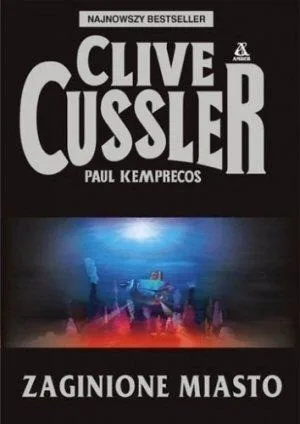
Clive Cussler and Paul Kemprecos’s "Lost City" delivers a familiar blend of oceanic adventure and scientific intrigue. The premise of a life-extending enzyme discovered in a sub-Atlantic abyss immediately captures the imagination, presenting a potent MacGuffin that drives the narrative’s considerable momentum. Kurt Austin and Joe Zavala are reliable protagonists, their partnership a steady anchor in the storm of action. The novel excels in its depiction of underwater environments and the clandestine race to secure the enzyme. However, the antagonist’s motivations, while clear, occasionally verge on the archetypal, lacking the nuanced depth that might elevate the conflict beyond a standard thriller. A particularly striking element is the depiction of the enzyme’s harvesters operating in extreme deep-sea conditions, highlighting the perilous intersection of biology and extreme environments. Despite its predictable trajectory in parts, "Lost City" remains a proficiently executed adventure that satisfies the craving for high-stakes discovery beneath the waves.
📝 Description
83
### Unearthing the Atlantic's Secret
The year 2004 saw the publication of Clive Cussler and Paul Kemprecos's "Lost City," a novel that plunges readers into the mysterious depths of the North Atlantic. It introduces a potent enzyme with life-extending properties, discovered in a hidden realm beneath the ocean's surface. This discovery triggers a perilous investigation led by NUMA Special Assignments Team leader Kurt Austin and his associate, Joe Zavala, as they confront a relentless adversary intent on controlling this potent substance.
### For the Adventurous Seeker
This narrative is crafted for individuals drawn to high-stakes adventure interwoven with speculative scientific discovery. Readers who appreciate intricate plots involving espionage, ancient secrets, and the potential for world-altering breakthroughs will find "Lost City" particularly engaging. It appeals to those fascinated by the unexplored frontiers of both the natural world and human longevity, offering a thrilling ride through a landscape of both danger and wonder.
### Echoes of Exploration and Discovery
The early 21st century, the period of "Lost City's" initial release, was marked by a burgeoning interest in deep-sea exploration and the potential for scientific advancements to unlock nature's deepest secrets. The narrative taps into this zeitgeist, imagining a scenario where the ocean's floor holds not just geological marvels but biological agents capable of reshaping human existence. The quest for the enzyme mirrors historical expeditions seeking uncharted territories and hidden resources.
### The Enzyme of Life and Hidden Realms
Central to "Lost City" is the concept of a rare enzyme derived from a hidden, deep-sea ecosystem. This enzyme represents a powerful biological agent, capable of significantly extending human life. The narrative explores the ethical and practical implications of such a discovery, as well as the potential for its exploitation. The 'lost city' itself, a metaphor for hidden knowledge and forgotten civilizations, serves as the ultimate prize in a deadly game of pursuit.
💡 Why Read This Book?
• Understand the high-stakes pursuit of a biological agent capable of extending life, a concept explored through the novel's central enzyme discovery in the North Atlantic. • Experience the thrill of deep-sea exploration and clandestine operations, as Kurt Austin and Joe Zavala navigate treacherous underwater environments in their quest. • Engage with the speculative science of longevity, examining how the discovery of unique biological compounds, like the enzyme in "Lost City," could impact humanity.
⭐ Reader Reviews
Honest opinions from readers who have explored this book.
❓ Frequently Asked Questions
What is the primary scientific discovery in Clive Cussler's Lost City?
The book centers on the discovery of a rare enzyme found deep beneath the North Atlantic. This enzyme possesses the remarkable ability to prolong human life, making it a target for intense pursuit and exploitation.
Who are the main protagonists investigating the enzyme in Lost City?
The investigation into the enzyme and the threats surrounding its harvesters is led by Kurt Austin, the leader of NUMA's Special Assignments Team, and his colleague Joe Zavala.
What kind of challenges do Kurt Austin and Joe Zavala face in Lost City?
Austin and Zavala face a dangerous killer who is targeting those involved in harvesting and researching the life-extending enzyme. Their pursuit takes them into perilous environments, likely including deep-sea locations.
When was Clive Cussler and Paul Kemprecos's Lost City first published?
Lost City was first published in 2004, placing its narrative within the early 21st century context of scientific exploration and discovery.
Does Lost City involve ancient mysteries or lost civilizations?
While primarily a contemporary thriller, the title 'Lost City' suggests the potential for uncovering ancient secrets or hidden locations, common themes in Cussler's works, which might tie into the enzyme's origin.
What is NUMA's role in Lost City?
NUMA, the National Underwater and Marine Agency, plays a central role as Kurt Austin and Joe Zavala are part of its Special Assignments Team. They are tasked with investigating the dangerous events surrounding the enzyme.
🔮 Key Themes & Symbolism
The Quest for Immortality
The narrative hinges on the discovery of an enzyme with life-prolonging capabilities, tapping into humanity's age-old fascination with extended life. The pursuit of this substance is framed as a race against time and a deadly adversary, raising questions about the ethical implications of such a discovery and who should control access to potentially immortalizing agents. The 'lost city' itself becomes a symbol of hidden knowledge, a place where the secrets to extended life might be guarded.
Deep-Sea Exploration and Hidden Worlds
"Lost City" utilizes the vast, unexplored depths of the North Atlantic as a primary setting. This environment is not just a backdrop but a source of mystery and danger, hiding both the life-extending enzyme and potentially ancient secrets. The narrative explores the extreme conditions and the cutting-edge technology required to access these hidden realms, mirroring real-world advancements in oceanography and sub-aquatic exploration.
The Perils of Discovery
The book highlights the dangerous consequences that can arise from groundbreaking scientific discoveries. The enzyme, a potential boon to humanity, becomes the catalyst for violence and intrigue. The narrative examines how powerful discoveries can attract nefarious attention, leading to conflict between those seeking to exploit or control the find and those trying to protect it, exemplified by the killer targeting researchers.
Conspiracy and Control
Beneath the surface of scientific discovery lies a web of conspiracy and a struggle for control over the potent enzyme. The story suggests that such a powerful resource would inevitably attract powerful, and potentially dangerous, forces. The actions of the antagonist and the efforts to keep the enzyme's existence secret point to a larger struggle for power and dominance in the face of unprecedented biological advancement.
💬 Memorable Quotes
“An enzyme capable of prolonging life discovered deep beneath the North Atlantic.”
— This core premise sets the stage for the entire adventure, immediately establishing the high stakes and the extraordinary nature of the discovery driving the plot.
“Kurt Austin and Joe Zavala investigate a killer targeting the enzyme's harvesters.”
— This highlights the central conflict and the immediate danger faced by those associated with the life-extending enzyme, showcasing the dangerous path of scientific breakthroughs.
“The 'lost city' itself, a hidden realm beneath the ocean.”
— This phrase evokes a sense of mystery and ancient secrets, suggesting that the source of the enzyme might be tied to forgotten civilizations or undiscovered locations.
“NUMA Special Assignments Team leader Kurt Austin leads the investigation.”
— This identifies the primary protagonist and his organizational affiliation, framing the narrative within the context of a specialized agency dealing with unusual underwater phenomena.
“The enzyme's potential to alter human existence.”
— This interpretation points to the profound implications of the discovery, suggesting the narrative will explore not just the adventure but also the potential societal impact of radical life extension.
🌙 Esoteric Significance
Tradition
While "Lost City" is primarily a contemporary adventure thriller, its narrative touches upon themes resonant with certain esoteric traditions that explore hidden knowledge and the potential for unlocking profound secrets about life and existence. It aligns loosely with the Hermetic principle of 'As Above, So Below,' suggesting that profound mysteries and potent forces can be found in the deepest, most inaccessible parts of the natural world, mirroring the hidden realms of the spiritual or astral planes in other traditions.
Symbolism
The 'Lost City' itself functions as a potent symbol for hidden knowledge, forgotten wisdom, or a primordial source of power, akin to Atlantis or Shambhala in esoteric lore. The enzyme represents the 'Elixir of Life,' a common motif in alchemy and mystical traditions, symbolizing the attainment of longevity or spiritual immortality. The deep ocean setting symbolizes the subconscious, the unknown, and the primal forces of nature that hold secrets essential to understanding existence.
Modern Relevance
Contemporary thinkers and practitioners interested in the intersection of speculative science, ancient mysteries, and the potential for radical life extension might find "Lost City" an engaging narrative. It reflects a modern fascination with uncovering lost knowledge and harnessing natural forces, themes echoed in certain fringe scientific communities and within speculative fiction that explores bio-hacking, advanced biotechnology, and the search for natural remedies with extraordinary properties.
👥 Who Should Read This Book
• Readers of Clive Cussler's previous works, particularly those featuring Kurt Austin and NUMA, who appreciate his signature blend of action, underwater exploration, and technological prowess. • Fans of techno-thrillers and adventure novels that incorporate speculative scientific concepts, such as the discovery of potent biological agents with world-altering potential. • Individuals intrigued by narratives exploring the mysteries of the deep ocean, hidden civilizations, and the pursuit of longevity, framed within a fast-paced and dangerous plot.
📜 Historical Context
Published in 2004, "Lost City" emerged during a period of heightened public interest in deep-sea exploration, fueled by advancements in submersible technology and a growing awareness of the ocean's untapped biological resources. The early 21st century was also a time when speculative fiction frequently grappled with the ethical and societal implications of scientific breakthroughs, particularly in genetics and longevity. While Cussler's work primarily operates within the thriller genre, its themes of hidden discoveries and potent biological agents align with broader discussions in science fiction of the era. The novel did not emerge from a specific esoteric movement but taps into a general fascination with hidden knowledge and the potential for ancient secrets to be revealed through modern scientific endeavor. It offered an adventurous counterpoint to more philosophical explorations of immortality, such as those found in contemporary literature discussing transhumanism or bioethics.
📔 Journal Prompts
The discovered enzyme's potential for life extension: what ethical boundaries should govern its use?
Kurt Austin's reliance on NUMA resources: how does institutional backing shape the pursuit of 'lost' discoveries?
The 'lost city' as a metaphor: what forgotten knowledge might the ocean's depths conceal?
The antagonist's motive: how does the desire for control over potent discoveries manifest?
The balance between scientific advancement and inherent danger in exploring the unknown.
🗂️ Glossary
NUMA
The National Underwater and Marine Agency, a fictional organization within Clive Cussler's novels, dedicated to marine research and underwater exploration, often involved in high-stakes missions.
Enzyme
A biological catalyst, typically a protein, that speeds up specific chemical reactions in living organisms. In "Lost City," a unique enzyme is discovered with life-prolonging properties.
Harvesters
Individuals involved in the collection or extraction of the life-extending enzyme from its deep-sea source. They are depicted as targets in the novel.
Special Assignments Team
A specialized unit within NUMA, led by Kurt Austin, tasked with investigating unusual or highly dangerous missions related to underwater mysteries and discoveries.
North Atlantic
The ocean region where the central discovery of the life-extending enzyme takes place, serving as a key setting for the novel's action and mystery.
Kurt Austin
The protagonist and leader of NUMA's Special Assignments Team, known for his expertise in underwater operations and his involvement in uncovering dangerous secrets.
Joe Zavala
A key colleague and partner to Kurt Austin within NUMA, often involved in the dangerous fieldwork and tactical operations of their investigations.