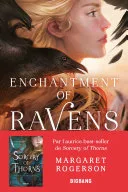
Enchantment of Ravens
 82
82

Enchantment of Ravens
Margaret Rogerson's "Enchantment of Ravens" presents a compelling premise: the fae, beings of immense power, are magically incapable of creating art, making human artists like Isobel invaluable commodities. This core idea is the book's greatest strength, offering a fresh perspective on fae interactions. The depiction of Isobel's talent and the fae's desperate longing for it is vividly drawn. However, the romantic subplot, while central, occasionally feels rushed, particularly in its development from initial suspicion to deep affection. A specific passage where Isobel paints a portrait for the enigmatic fae lord, Rook, highlights the tension and allure of their dynamic, but the subsequent emotional shifts could have benefited from more gradual pacing.
Ultimately, "Enchantment of Ravens" offers a charming, albeit sometimes uneven, exploration of art, magic, and forbidden connection.
📝 Description
82
### What It Is Enchantment of Ravens is a fantasy novel that centers on Isobel, a talented human artist commissioned by the fae. These immortal beings, incapable of creating art themselves without disintegrating, covet human artistry. Isobel's skill is highly sought after, leading her to undertake a particularly unusual commission from a fae noble.
### Who It's For This book appeals to readers who enjoy dark fairy tales, romance with a touch of the uncanny, and stories featuring protagonists who navigate dangerous, otherworldly courts. Those interested in themes of artistic creation, the price of magic, and the blurred lines between different realms will find much to appreciate.
### Historical Context Published in 2021, Enchantment of Ravens emerged during a period of renewed interest in folklore-infused fantasy and romantic fantasy. It follows in a lineage of works that explore the complex relationships between humans and supernatural beings, drawing from traditional fae lore while infusing it with contemporary sensibilities. The early 2020s saw numerous authors reinterpreting classic mythologies and fairy tales for modern audiences.
### Key Concepts The narrative delves into the concept of the fae's inability to create art, a unique vulnerability that fuels their desire for human talent. It explores the power of art as a form of magic, capable of binding or influencing even immortal beings. The story also examines the perilous nature of bargains made with otherworldly entities and the personal cost of artistic patronage.
💡 Why Read This Book?
• Gain insight into the fae's unique artistic void and its implications, a concept explored through Isobel's commissions for the fae nobility. • Experience a romance built on the perilous exchange of art and favor, as depicted in the dangerous bargains Isobel strikes with figures like Rook. • Understand the creative struggle and the profound power of art when contrasted with immortal, yet artless, beings, a central theme evident in the fae's inability to create without perishing.
⭐ Reader Reviews
Honest opinions from readers who have explored this book.
❓ Frequently Asked Questions
What is the central conflict in Enchantment of Ravens?
The central conflict involves Isobel, a human artist, who is commissioned by the fae. She must navigate the dangerous world of fae politics and desires, particularly from a powerful fae lord named Rook, while fulfilling a commission that carries immense personal risk.
Why are the fae unable to create art in this story?
According to the lore established in the book, the fae's immortal nature and magical essence cause them to disintegrate into dust if they attempt to create art, such as painting or baking, making human artists uniquely valuable to them.
Who is Rook in Enchantment of Ravens?
Rook is a powerful and enigmatic fae lord who becomes Isobel's patron and a central figure in her life. He commissions Isobel for her art, and their relationship becomes a focal point of the story, filled with tension and forbidden attraction.
What is the significance of Isobel's art to the fae?
Isobel's art is significant because the fae themselves are incapable of creating it. They covet human artistry, viewing it as a rare and powerful magic that they can only experience through human creators, making artists like Isobel highly prized.
What are the main themes explored in the book?
The book explores themes of art and creation, the nature of magic, forbidden romance, the dangers of bargains with powerful beings, and the contrast between mortality and immortality.
When was Enchantment of Ravens first published?
Enchantment of Ravens was first published on September 1, 2021.
🔮 Key Themes & Symbolism
Art as Forbidden Magic
The novel posits that art is a form of magic so potent that the fae cannot wield it without self-destruction. This inability fuels their obsession with human artists like Isobel, who can imbue canvases with life and emotion. The fae's desperation highlights art's unique power, not just as creation, but as a dangerous, covetable force that bridges the gap between mortal and immortal.
Bargains and Their Cost
Isobel's work for the fae involves making dangerous bargains, a recurring motif in folklore. The fae, particularly figures like Rook, are depicted as beings who operate on intricate agreements, where every gift or favor carries a hidden price. This theme emphasizes the peril of dealing with otherworldly powers and the personal sacrifices required to survive or thrive in their realm.
Mortality vs. Immortality
The narrative contrasts the fleeting, vibrant lives of humans with the eternal, yet sterile, existence of the fae. Isobel's mortality is both her vulnerability and her strength, the source of her art and her capacity for emotion. The fae's immortality, stripped of the ability to create, is presented as a gilded cage, highlighting the richness that ephemerality can bring.
The Artist and the Patron
The relationship between Isobel and her fae patrons, especially Rook, explores the complex dynamics of the artist-patron relationship. It delves into the power imbalances, the creative pressures, and the personal entanglements that can arise when art becomes a commodity for powerful, immortal beings who desperately crave what they cannot possess.
💬 Memorable Quotes
“The fae are incapable of creating art.”
— This fundamental rule of the fae realm underscores their deep envy of humans. It's the primary reason they seek out and covet human artists, driving the central conflict and relationships within the narrative.
“Isobel's talent is highly sought after.”
— This highlights Isobel's value and the dangerous position she occupies. Her artistic skill makes her a valuable asset, but also a target in the intricate politics and desires of the fae courts.
“Immortal beings who covet human art.”
— This concise description captures the core paradox of the fae in this story: immensely powerful yet lacking a fundamental aspect of lived experience that humans possess.
“A particularly unusual commission.”
— This phrase signals a turning point in the narrative, indicating that Isobel's work is about to become significantly more dangerous and significant, likely involving a powerful fae entity.
“The price of art and magic.”
— This concept encapsulates the narrative's exploration of the consequences and dangers associated with creative talent when it intersects with the desires and power of supernatural beings.
🌙 Esoteric Significance
Tradition
While not explicitly tied to a single esoteric lineage, "Enchantment of Ravens" echoes themes found in Romantic occultism and certain interpretations of Celtic mythology. The fae, as depicted, share characteristics with the 'Little People' of folklore, often seen as powerful, capricious nature spirits with their own strict laws and desires, a concept explored in works like W.B. Yeats's writings on the faerie world.
Symbolism
Ravens, central to the title, are potent symbols across many cultures, often associated with prophecy, magic, death, and transition. In this context, they likely symbolize the darker, more mysterious aspects of the fae realm and Isobel's dangerous entanglement within it. The act of painting itself becomes symbolic, representing the creative spark of humanity that the immortal fae desperately lack and covet.
Modern Relevance
Contemporary authors and practitioners interested in Neo-Paganism, particularly those focused on nature spirits and fae lore, might find resonance in the book's portrayal of the fae. The exploration of art as a tangible form of magic and the consequences of artistic pacts also appeals to modern fantasy readers and writers exploring themes of creative power and its inherent risks.
👥 Who Should Read This Book
• Readers fascinated by folklore and mythology, particularly those interested in reinterpretations of fae lore beyond traditional benevolent portrayals. • Fans of romantic fantasy seeking stories with high stakes, forbidden attraction, and a touch of darkness. • Aspiring artists or anyone who appreciates stories that explore the power, significance, and potential dangers of creative expression.
📜 Historical Context
Enchantment of Ravens, published in 2021, arrived during a resurgence of interest in folklore-inspired fantasy. It taps into a tradition that stretches back to the Romantic era's fascination with the supernatural and the medieval balladry of faerie. Authors like Lord Dunsany and, more recently, Catherynne M. Valente have explored similar themes of otherworldly beings and human interaction. The early 2020s saw a market hungry for romantic fantasy and retellings, making Rogerson's work timely. While not directly engaging with a specific intellectual movement like the Victorian occult revival, it benefits from a broader cultural appetite for myth and magic, amplified by online communities discussing fantasy literature. The book's reception has been largely positive, fitting within a trend of authors like Holly Black and Naomi Novik who have successfully blended fairy tale elements with mature romance and complex character dynamics.
📔 Journal Prompts
Isobel's artistic commissions for the fae, and the inherent risks.
The fae's inability to create art, and its implications for their existence.
Rook's motivations for commissioning Isobel's paintings.
The concept of bargains made with powerful, immortal beings.
The contrast between human mortality and fae immortality.
🗂️ Glossary
Fae
In this context, immortal, powerful beings from another realm who possess magic but are uniquely incapable of creating art without perishing. They are often capricious and operate by their own intricate rules and desires.
Rook
A significant fae character and patron who commissions Isobel. He is depicted as powerful, enigmatic, and central to Isobel's dangerous entanglement with the fae world.
Artistic Commission
A formal request for an artist to create a specific work, often involving payment or an exchange of services. In this book, fae commissions carry unique dangers due to the nature of the fae themselves.
Bargain
An agreement between two or more parties, often involving an exchange of promises or goods. Bargains with the fae are typically perilous, with hidden costs and unforeseen consequences.
Fae Court
The structured society or retinue of a fae ruler or noble. Isobel must navigate the politics and dangers within these courts as she fulfills her commissions.
Disintegration (Fae)
The literal crumbling into dust that occurs if a fae attempts to create art. This is a fundamental magical limitation that drives their fascination with human artists.
Mortality
The state of being subject to death. Isobel's mortality is contrasted with the fae's immortality, highlighting different aspects of existence and creativity.