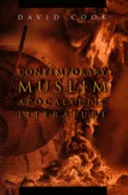
Contemporary Muslim Apocalyptic Literature
 79
79

Contemporary Muslim Apocalyptic Literature
David Cook’s study is a vital scholarly intervention, offering a much-needed academic lens on the often-sensationalized world of Muslim apocalyptic literature. The work’s strength lies in its rigorous contextualization, linking esoteric predictions to concrete geopolitical events, most notably the Palestinian-Israeli conflict. Cook avoids the trap of treating these texts as monolithic, instead revealing their diversity and internal debates. A limitation, however, is the sheer density of material, which can make for challenging reading for those unfamiliar with Islamic jurisprudence or modern Middle Eastern history. The section detailing the impact of the Soviet invasion of Afghanistan on certain prophetic interpretations is particularly illuminating, showcasing how external events can reshape internal theological discourse. Cook’s meticulous research provides a solid foundation for understanding a complex and influential literary tradition, even if it demands considerable reader engagement. It stands as a foundational text for anyone seriously studying Islamic eschatology.
📝 Description
79
David Cook's 2005 book examines Muslim apocalyptic literature from the 20th and 21st centuries.
This study is the first scholarly look at a significant, though often overlooked, segment of Islamic writing. David Cook analyzes texts that forecast end-times events, divine intervention, and the establishment of a new world order. The book goes beyond simply listing these narratives; it examines the ideas and the social and political situations that shaped them.
Cook situates this literature within the larger history of Islamic thought, noting that apocalyptic ideas are not new to the tradition. He focuses on the rise and changes in this type of discourse in the modern period, particularly concerning the Palestinian-Israeli conflict. The work implicitly addresses earlier studies on Islamic eschatology, but its main focus is on the specific pressures and exchanges of the late 20th and early 21st centuries. The book discusses how violence functions in these end-times stories, how Western political interactions affect Islamic prophetic traditions, and the varied ways people interpret the signs before the Day of Judgment. It shows these texts as active responses to changing political situations and ideological disputes, rather than fixed prophecies.
While the book centers on modern Muslim apocalyptic writings, it engages with a tradition that has long held a place within Islamic mysticism and theology. Eschatological beliefs, concerning the end of times and divine judgment, are a recurrent feature in Islamic intellectual history, often intertwined with Sufi contemplation and theological debates. Cook's work maps the continuation and adaptation of these themes in contemporary discourse, showing how ancient anxieties about divine justice and cosmic transformation are reinterpreted in light of modern geopolitical events and ideological shifts.
💡 Why Read This Book?
• Learn how apocalyptic visions in Islamic texts are not isolated prophecies but often respond directly to specific geopolitical events, such as the Arab-Israeli conflict, offering a new perspective on the interplay of faith and politics. • Gain an understanding of the diverse ideological concerns that fuel apocalyptic narratives, moving beyond simplistic interpretations to appreciate the nuanced ways Muslims have historically envisioned end-times. • Discover the specific role of violence and Western relations within these prophetic traditions, providing concrete examples of how external pressures shape internal religious discourse, as detailed in Cook’s analysis of post-1948 literature.
⭐ Reader Reviews
Honest opinions from readers who have explored this book.
❓ Frequently Asked Questions
What is the primary focus of Contemporary Muslim Apocalyptic Literature by David Cook?
The book’s primary focus is the scholarly examination of apocalyptic and eschatological literature within Islam, analyzing its ideological concerns, historical context, and connection to geopolitical events, particularly the Palestinian-Israeli conflict.
When was David Cook's Contemporary Muslim Apocalyptic Literature first published?
David Cook's Contemporary Muslim Apocalyptic Literature was first published on July 21, 2008.
Does the book discuss the influence of Western relations on Islamic apocalyptic thought?
Yes, the book explores the interconnection between Arab relations with the United States and other Western nations and the development of apocalyptic material within Islamic thought.
Is this book suitable for beginners in Islamic studies?
While comprehensive, the book is written for a scholarly audience. Beginners in Islamic studies might find it dense, but it serves as an authoritative introduction to this specific subfield.
What makes this book unique among studies of Islamic eschatology?
It is the first scholarly work to comprehensively cover this disparate but influential body of writing, placing it directly within contemporary socio-political contexts and ideological concerns.
What role does violence play in the literature discussed by Cook?
Cook examines the role of violence as a recurring theme and often a catalyst within these apocalyptic narratives, exploring its theological justifications and its connection to perceived historical injustices.
🔮 Key Themes & Symbolism
Geopolitics and Eschatology
This work critically examines how contemporary geopolitical conflicts, most notably the Palestinian-Israeli conflict and broader Arab relations with Western powers, have profoundly shaped and informed Islamic apocalyptic literature. Cook demonstrates that these end-times narratives are not detached theological speculations but are frequently engaged with and responsive to pressing political realities and perceived historical injustices. The literature often reflects anxieties, hopes, and interpretations directly tied to the struggles for land, sovereignty, and identity in the Middle East, illustrating a dynamic interplay between worldly affairs and divine-historical schemas.
Ideological Currents
Cook delves into the diverse ideological currents that fuel the creation and dissemination of Muslim apocalyptic texts. He explores how various interpretations of Islamic doctrine, political ideologies (both reformist and radical), and social grievances converge within these narratives. The book highlights how apocalyptic visions can serve as vehicles for articulating dissent, mobilizing populations, or offering a framework for understanding perceived societal decay and the promise of ultimate divine justice. Understanding these underlying ideologies is crucial to grasping the appeal and function of apocalyptic thought in contemporary Muslim societies.
The Role of Violence
A significant aspect of the literature analyzed is its engagement with the theme of violence. Cook investigates how apocalyptic texts frame violence, often depicting it as a necessary precursor to or consequence of the end times, divine judgment, or the establishment of a new Islamic order. This includes discussions on martyrdom, jihad, and the symbolic representation of conflict. The work scrutinizes the theological justifications or interpretations of violence found within these writings, differentiating between historical and prophetic violence, and its function within the broader eschatological narrative.
Diversity of Interpretation
Contrary to monolithic portrayals, Contemporary Muslim Apocalyptic Literature emphasizes the vast diversity of interpretations and expressions within this genre. Cook showcases how different schools of thought, regional contexts, and individual authors offer varying perspectives on the signs of the end, the identity of key figures (like the Mahdi or the Antichrist), and the nature of the final events. This highlights that Islamic eschatology is not a static doctrine but a living, evolving field of discourse, constantly reinterpreted in light of new historical circumstances and intellectual trends.
💬 Memorable Quotes
“The literature is examined not only for its ideological concerns but its interconnection with the Palestinian-Israeli conflict.”
— This highlights Cook's central thesis: apocalyptic visions are deeply embedded in and influenced by real-world political struggles, rather than being purely abstract theological concepts.
“Cook puts the literature in context by examining its interconnection with Arab relations with the United States and other Western nations.”
— This points to the book's focus on how external political relationships and perceived Western influence have historically shaped and continue to inform Islamic end-times prophecies.
“The book is the first scholarly work to cover this disparate but influential body of writing.”
— This emphasizes the groundbreaking nature of Cook's research, filling a significant gap in academic scholarship on Islamic apocalyptic traditions and their modern manifestations.
“David Cook analyzes the role of violence in the Middle East as it relates to apocalyptic narratives.”
— This indicates the book's direct engagement with sensitive themes, exploring how violence is both a subject and a driving force within the apocalyptic literature he studies.
“The work explores the ideological concerns prompting apocalyptic material.”
— This suggests that Cook investigates the underlying motivations, beliefs, and socio-political factors that lead individuals and groups to produce and engage with apocalyptic literature.
🌙 Esoteric Significance
Tradition
While not strictly within a single Western esoteric lineage like Hermeticism or Kabbalah, this work engages with traditions of prophecy and eschatology that have parallels in Gnostic and esoteric Christian thought. It examines how Islamic eschatological literature functions as a form of 'inner history' or divine revelation, akin to how esoteric traditions interpret hidden meanings in scripture and history. Cook's approach, however, is primarily historical-critical, situating these texts within their socio-political milieu rather than solely through a mystical interpretive lens.
Symbolism
The literature discussed often employs potent symbols: the Dajjal (Antichrist figure) representing deceptive forces, the Mahdi signifying a divinely guided redeemer, and various celestial or terrestrial signs heralding judgment. These symbols function not just as narrative elements but as coded representations of political enemies, oppressive regimes, or anticipated periods of transformation and divine intervention. Cook’s analysis unpacks how these symbols are deployed to interpret contemporary events and articulate hopes for a divinely ordained future.
Modern Relevance
Contemporary thinkers concerned with the intersection of religion, politics, and violence find Cook’s work invaluable. It provides crucial context for understanding extremist ideologies, the rhetoric of resistance movements, and the enduring appeal of apocalyptic narratives in shaping collective identity and political action across various Muslim communities. Scholars of comparative eschatology and students of global affairs continue to cite this book for its rigorous analysis of how religious prophecy interacts with modern history.
👥 Who Should Read This Book
• Academics and graduate students specializing in Islamic studies, religious history, or Middle Eastern politics seeking a comprehensive overview of contemporary apocalyptic discourse. • Researchers in comparative religion interested in end-times traditions across different faiths, particularly those looking for scholarly analysis of Islamic eschatology's modern expressions. • Policy analysts and intelligence professionals needing to understand the ideological underpinnings of certain socio-political movements and narratives within Muslim-majority regions.
📜 Historical Context
Published in 2008, David Cook's work emerged during a period of heightened global attention to Islam and the Middle East, following events like 9/11 and ongoing conflicts. The intellectual landscape was grappling with the rise of political Islam and diverse interpretations of Islamic texts. Cook's study addressed a notable gap in scholarship, which had often treated Islamic eschatology as a historical curiosity rather than a living, politically engaged tradition. While scholars like Marshall Hodgson had previously analyzed the historical development of Islamic thought, Cook's specific focus on the *contemporary* literature, and its direct linkage to the Palestinian-Israeli conflict and Arab-US relations, marked a significant contribution. The book’s reception likely occurred within academic circles focused on Islamic studies and political science, potentially drawing attention for its direct engagement with sensitive topics often subject to misinterpretation or politicization. It offered a counter-narrative to simplistic views of Islam by demonstrating the complexity and dynamism of its prophetic traditions.
📔 Journal Prompts
The Palestinian-Israeli conflict's influence on apocalyptic themes.
Ideological concerns driving end-times literature.
The symbolic representation of violence in prophetic narratives.
Diversity of interpretations regarding the Mahdi.
Interconnection of Arab relations with Western nations and apocalyptic discourse.
🗂️ Glossary
Eschatology
The study of 'last things' or end-times events, encompassing beliefs about the final destiny of humanity, the world, and the divine plan, often involving prophecies of judgment, salvation, and cosmic renewal.
Mahdi
A prophesied redeemer figure in Islamic eschatology, believed to appear before the Day of Judgment to restore justice and righteousness to the world, uniting Muslims under his leadership.
Dajjal
The Islamic Antichrist figure, a malevolent entity prophesied to appear before the Day of Judgment, deceiving many with false miracles and leading a period of great tribulation.
Hadith
Reports of the sayings and actions of the Prophet Muhammad, considered by Muslims to be an important source of guidance alongside the Quran, often containing eschatological material.
Jihad
An Arabic term meaning 'struggle' or 'striving,' often interpreted in Islamic contexts as a struggle against evil or one's own base desires, and sometimes as holy war.
Day of Judgment
The final day in Islamic belief when all humanity will be resurrected and judged by God (Allah) for their deeds in life, leading to eternal reward or punishment.
Signs of the Hour
Events or phenomena, both minor and major, that are believed to precede the Day of Judgment according to Islamic eschatological traditions, serving as indicators of its imminent arrival.