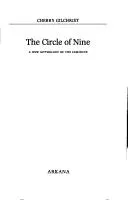
Circle of Nine
 77
77

Circle of Nine
Cherry Gilchrist's Circle of Nine offers a compelling, if somewhat dense, exploration of spiritual archetypes. The book's strength lies in its meticulous mapping of the "ninefold path," a concept it elucidates with remarkable clarity, drawing from diverse traditions. However, its academic tone can occasionally feel detached, particularly when discussing deeply personal transformations. The section detailing the "Ninefold Wheel" provides a particularly lucid diagram of interconnected energies, a standout moment that encapsulates the book's analytical prowess. Gilchrist avoids sensationalism, presenting a reasoned argument for the enduring power of ancient symbolic systems. It's a work best approached with focused attention, rewarding the diligent reader with a structured understanding of esoteric principles.
📝 Description
77
Cherry Gilchrist's Circle of Nine, published in 1988, connects mythology, psychology, and spiritual development.
First released in 1988, Circle of Nine by Cherry Gilchrist explores the interplay between mythology, psychology, and spiritual growth. The book uses archetypal patterns as a lens to examine these connections. It is aimed at students of comparative religion, mythology, and esoteric philosophy.
The work appeals to readers interested in the foundational spiritual ideas that have influenced cultures and individual minds over long periods. Published during renewed interest in Jungian psychology and Western esoteric traditions, it offered a clear yet thorough look at spiritual ideas outside the mainstream. The book presents the concept of a "ninefold path" for personal change, linking ancient traditions with modern psychological ideas.
Circle of Nine was published in 1988, a time when interest in Jungian psychology and Western esoteric traditions was growing. The book contributed to this resurgence by providing an accessible examination of non-traditional spiritual concepts. It connected ancient wisdom traditions with contemporary psychological theories, using the symbolic language of myths and rituals to explore universal human experiences.
💡 Why Read This Book?
• Gain a structured understanding of the "ninefold path" as presented by Gilchrist, a specific framework for spiritual development not readily found elsewhere. • Explore the symbolic language of ancient myths and rituals, specifically referencing the "Ninefold Wheel" concept to understand archetypal patterns. • Connect with the intellectual currents of the late 20th century's esoteric revival, particularly through its engagement with Jungian psychology and comparative mythology.
⭐ Reader Reviews
Honest opinions from readers who have explored this book.
❓ Frequently Asked Questions
What is the significance of the "ninefold path" in Circle of Nine?
The "ninefold path" in Circle of Nine serves as a conceptual framework for understanding spiritual development and the interconnectedness of various archetypal forces. Gilchrist uses it to map stages of consciousness and spiritual growth.
What mythological traditions does Cherry Gilchrist reference in the book?
Gilchrist draws upon a wide array of mythological traditions, including those from ancient Greece, Egypt, and various indigenous cultures, to illustrate the universality of certain spiritual concepts and archetypes.
Is Circle of Nine a practical guide for rituals?
No, Circle of Nine is primarily an analytical and philosophical exploration of esoteric concepts, mythology, and psychology. It provides theoretical understanding rather than direct ritualistic instruction.
When was Circle of Nine first published?
Circle of Nine was first published in 1988, placing it within a period of renewed interest in esoteric studies and Jungian psychology.
What is the "Ninefold Wheel" mentioned in the book?
The "Ninefold Wheel" is a symbolic diagram discussed in the book that illustrates the dynamic interplay of nine fundamental energies or archetypes within a spiritual or psychological framework.
Does the book engage with Carl Jung's theories?
Yes, Circle of Nine significantly engages with Carl Jung's theories, particularly his concepts of archetypes and the collective unconscious, using them as a foundation for its own explorations.
🔮 Key Themes & Symbolism
The Ninefold Path Framework
The central organizing principle of the book, the "ninefold path," is presented not as a rigid doctrine but as a flexible map for spiritual evolution. Gilchrist demonstrates how this structure can be seen echoed in various cultural mythologies and psychological models, suggesting a universal blueprint for consciousness development. It offers a structured approach to understanding the progression of spiritual awareness and the integration of different facets of the self.
Mythology as Symbolic Language
Gilchrist posits that myths are not mere stories but profound expressions of the human psyche and its relationship with the cosmos. The book analyzes specific myths and symbols, interpreting them as keys to unlocking deeper psychological and spiritual truths. This approach highlights how ancient narratives continue to inform our understanding of ourselves and the world, providing a timeless commentary on existence.
Archetypes and the Collective Unconscious
Drawing heavily on Jungian psychology, Circle of Nine explores the concept of archetypes as universal patterns of thought and behavior. The "Ninefold Wheel" is one such symbolic representation, illustrating how these archetypal forces manifest and interact within the individual and collective psyche. This theme underscores the idea that shared human experiences and instincts are encoded in our myths and spiritual traditions.
Spiritual Development and Integration
Ultimately, the book is concerned with personal transformation and the integration of spiritual understanding into daily life. By examining the structures of esoteric traditions and psychological theories, Gilchrist provides a framework for individuals seeking to understand their own spiritual journey. The "ninefold path" serves as a guide for navigating the complexities of inner growth and achieving greater wholeness.
💬 Memorable Quotes
“The ninefold path offers a map for the soul's journey.”
— This paraphrased concept highlights the book's central thesis: that the structure of the "ninefold path" is not just theoretical but serves as a practical guide for understanding personal spiritual progression.
“Mythology speaks in the language of the unconscious.”
— This captures Gilchrist's view of myths as direct expressions of the deeper, often unacknowledged, parts of the human psyche, linking narrative to psychological exploration.
“Archetypes are the building blocks of spiritual experience.”
— This interpretation emphasizes the foundational role of universal patterns (archetypes) in shaping how individuals perceive and engage with spiritual realities and traditions.
“Understanding the Ninefold Wheel reveals interconnected energies.”
— This points to the book's focus on the "Ninefold Wheel" as a symbolic tool for comprehending the dynamic relationships between various spiritual or psychological forces.
“Ancient wisdom offers keys to modern consciousness.”
— This summarizes the book's argument for the enduring relevance of historical esoteric traditions and mythological insights in addressing contemporary human challenges and understanding.
🌙 Esoteric Significance
Tradition
Circle of Nine is deeply rooted in the Western Esoteric Tradition, particularly drawing from Jungian psychology, which itself engages with Hermetic, Gnostic, and Kabbalistic concepts. It doesn't strictly adhere to one lineage but synthesizes elements, viewing myth and psychology as vehicles for understanding universal spiritual principles. The work fits within the broader trend of reinterpreting ancient esoteric knowledge through a modern psychological lens, making it accessible to a contemporary audience seeking meaning.
Symbolism
The book extensively uses the concept of the "ninefold path" and the "Ninefold Wheel" as its primary symbolic structures. These motifs represent a cosmic or psychological order, often symbolizing stages of development, interconnected forces, or aspects of the divine/psyche. Other symbols discussed are drawn from diverse mythologies, analyzed for their archetypal resonance within this nine-part framework, revealing how different cultures articulate similar spiritual truths.
Modern Relevance
Contemporary practitioners of Jungian analysis, comparative mythology enthusiasts, and those exploring archetypal psychology often reference Gilchrist's work. Its structured approach to understanding spiritual development through symbolic frameworks continues to inform modern esoteric courses and personal growth programs. Thinkers and writers focusing on the integration of psychology and spirituality find its synthesis of myth and inner work particularly valuable.
👥 Who Should Read This Book
• Students of comparative mythology and religious studies: You will gain a structured framework for analyzing myths and symbols across cultures, specifically through the lens of the "ninefold path." • Practitioners of depth psychology and Jungian analysis: You will find a detailed exploration of archetypal patterns and their manifestation in spiritual traditions, enhancing your understanding of the unconscious. • Individuals on a personal spiritual quest: You will benefit from a philosophical map for understanding personal growth and integrating spiritual concepts, illuminated by the "Ninefold Wheel" and its associated symbolism.
📜 Historical Context
Circle of Nine emerged in 1988, a period marked by a significant resurgence of interest in esoteric philosophy and depth psychology. Following the counter-cultural movements of the 1960s and 70s, there was a growing academic and popular appetite for exploring non-Western spiritual traditions and the psychological underpinnings of belief systems. Cherry Gilchrist's work arrived alongside prominent figures like Carl Jung, whose ideas on archetypes and the collective unconscious provided fertile ground for such analyses. The book distinguished itself by its structured approach, offering a coherent framework, the "ninefold path," which contrasted with more fragmented or purely academic treatments of mythology and religion. While academic circles often viewed esoteric studies with skepticism, works like Gilchrist's contributed to a broader dialogue, bridging the gap between psychological theory and spiritual practice. Its publication helped solidify a space for serious engagement with these complex ideas, moving beyond mere historical curiosity.
📔 Journal Prompts
Reflect on the "ninefold path" as a personal developmental map.
Analyze a personal dream or myth through the lens of archetypes discussed.
How do the symbols within the "Ninefold Wheel" manifest in your life?
Consider the connection between ancient myths and contemporary psychological understanding.
Explore how the concept of the "collective unconscious" influences your worldview.
🗂️ Glossary
Ninefold Path
A conceptual framework presented in the book that outlines stages or aspects of spiritual development and consciousness, used as a map for personal transformation.
Archetype
Universal, archaic patterns and images that derive from the collective unconscious and are the psychic counterpart of a biological or ecological entity. Often found in myths and fairy tales.
Collective Unconscious
A term coined by Carl Jung referring to the part of the unconscious mind that is derived from ancestral memory and experience and is common to all humankind.
Ninefold Wheel
A symbolic diagram explored in the book that illustrates the interconnectedness and dynamic interplay of nine fundamental spiritual or psychological forces.
Mythology
The body of myths of a particular cultural tradition, often studied in Circle of Nine as symbolic expressions of psychological and spiritual truths.
Esoteric
Intended for or likely to be understood by only a small number of people with a specialized knowledge or interest; relating to occultism.
Symbolism
The use of symbols to represent ideas and qualities, especially in Circle of Nine, where myths and archetypes are analyzed for their symbolic meaning.