Celtic mythology
 81
81

Celtic mythology
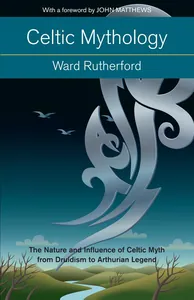
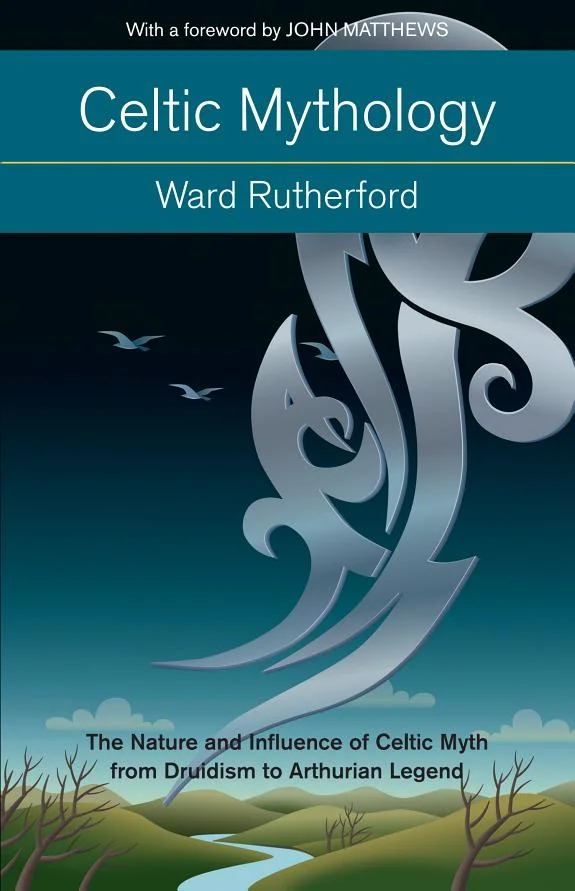
Rutherford's "Celtic Mythology" provides a solid academic framework for understanding a complex and often elusive subject. Its strength lies in its methodical dissection of the surviving literary corpus, particularly its attention to the linguistic nuances and the genealogical structures of the myths. For instance, the detailed examination of the Ulster Cycle's interconnectedness offers a clear map for readers navigating these intricate tales. However, the book occasionally suffers from a somewhat dry presentation, prioritizing academic rigor over narrative accessibility. While the 1995 publication date means some recent archaeological or linguistic findings might be absent, the core analysis remains robust. It's a valuable reference for serious students, though perhaps less engaging for the casual enthusiast seeking immediate wonder. A useful text for academic study.
📝 Description
81
Ward Rutherford's 1995 book systematically examines Celtic myths and legends.
Ward Rutherford's "Celtic Mythology" is a scholarly work published in 1995 that analyzes the myths and legends of ancient Celtic societies. The book moves beyond simple retellings to dissect the structure, recurring motifs, and the social and religious functions of these narratives. Rutherford addresses the pantheon, heroic sagas, and the worldview reflected in surviving texts and oral traditions.
This volume appeals to students of mythology, comparative religion, and those interested in the beliefs of Celtic cultures. It offers a structured, analytical approach for readers seeking depth over sensationalism. Those studying the Iron Age in Britain and Ireland, or the development of European myth cycles, will find its detailed examination useful. The work engages with scholarship from the 19th century onwards, situating itself within a renewed interest in pre-Christian European traditions.
Published in 1995, Rutherford's work engages with the study of Celtic myth, a field with roots in 19th-century scholarship. It emerged during a period of increased interest in pre-Christian European traditions. The book stands as an academic examination of beliefs and narratives that influenced Celtic societies, placing it within the broader pagan and witchcraft traditions that seek to understand and sometimes revive ancient spiritual practices and worldviews.
💡 Why Read This Book?
• Gain a structured understanding of the Celtic pantheon, including deities like the Dagda and Lugh, by examining their roles and relationships as presented in the text. • Explore the concept of the Otherworld, Tír na nÓg, and its significance in Celtic cosmology, learning how it functions as a spiritual realm beyond the mortal plane. • Understand the interpretative challenges of Celtic mythology, recognizing how Christianization in the 7th century affected the surviving source materials discussed in the book.
⭐ Reader Reviews
Honest opinions from readers who have explored this book.
❓ Frequently Asked Questions
When was Ward Rutherford's Celtic Mythology first published?
Ward Rutherford's "Celtic Mythology" was first published in 1995, offering a scholarly examination of ancient Celtic myths and legends during a period of significant academic interest in European pre-Christian traditions.
What are some of the key deities discussed in Celtic Mythology?
The book explores prominent deities such as the Dagda, a father-figure god of fertility and abundance, and Lugh, a master of all arts and skills, detailing their roles and mythic significance within the Celtic pantheon.
Does the book cover the druids?
Yes, "Celtic Mythology" addresses the significant role of the druids, examining their function as spiritual leaders, lore keepers, and intellectual authorities within ancient Celtic societies based on available historical and mythological evidence.
What is the 'Otherworld' in Celtic Mythology?
The 'Otherworld', often referred to as Tír na nÓg, is a concept explored in the book as a parallel spiritual realm in Celtic belief, a land of eternal youth and beauty, from which supernatural beings and heroes often emerge.
How does the book handle the influence of Christianity on Celtic myths?
Rutherford's work acknowledges the impact of Christianization, discussing how the surviving Celtic myths were often recorded by monks centuries after their pagan origins, leading to inherent biases and alterations in the narratives.
Is this book suitable for beginners in mythology studies?
While comprehensive, the book's academic tone makes it most suitable for students and readers with a foundational interest in mythology or comparative religion, rather than absolute beginners seeking a simple introduction.
🔮 Key Themes & Symbolism
The Celtic Pantheon
The work meticulously details the principal deities of the Celtic pantheon, moving beyond simple identification to explore their complex relationships and domains. Figures like the Dagda, embodying fertility and kingship, and Lugh, the polymath god, are analyzed through their mythic appearances. Rutherford examines the triadic nature of some deities and the regional variations in worship, providing a structured overview of the divine forces that shaped the Celtic worldview and influenced their understanding of cosmic order and human destiny.
Heroic Sagas and the Ulster Cycle
Central to the book is the examination of the great heroic cycles, with a particular focus on the Ulster Cycle. Rutherford dissects narratives featuring heroes like Cú Chulainn, exploring themes of valor, fate, and the tragic consequences of breaking oaths or defying the gods. The interconnectedness of these stories, the genealogies that link characters, and the recurring motif of the 'geas' (taboo or obligation) are highlighted, offering insight into the societal values and ideals celebrated in ancient Ireland.
The Otherworld and Cosmology
Rutherford delves into the Celtic conception of the Otherworld, often represented by Tír na nÓg or Mag Mell, a land of eternal youth, abundance, and supernatural beings. The book explains how this realm intersects with the mortal world, serving as a source of magic, a destination for heroes, and a place from which otherworldly beings emerge. This exploration provides a framework for understanding the Celtic view of life, death, and the cyclical nature of existence, a fundamental aspect of their spiritual landscape.
Druids and Sacred Knowledge
The role and significance of the druids are given considerable attention. Rutherford discusses their position as priests, judges, scholars, and keepers of sacred lore. The work touches upon their initiation rites, their knowledge of natural cycles, and their influence on societal and spiritual matters. By examining accounts of druidic practices and beliefs, the book sheds light on the intellectual and religious leadership within Celtic societies prior to widespread Roman and Christian influence.
💬 Memorable Quotes
“The challenge of reconstructing Celtic mythology lies in the fragmented nature of surviving sources.”
— This highlights the inherent difficulty in piecing together a coherent picture of ancient Celtic beliefs, given that much of what we know comes from later, often Christianized, accounts that may have altered or omitted original elements.
“Deities often appear in triads, suggesting a symbolic emphasis on this number.”
— This observation points to a recurring structural and symbolic pattern in Celtic mythology where groups of three deities or divine aspects are common, reflecting a deeper cosmological or theological significance attributed to the number three.
“The Otherworld is not simply an afterlife, but a parallel dimension.”
— This clarifies that the Celtic concept of the Otherworld, such as Tír na nÓg, was perceived as a distinct but accessible realm coexisting with the human world, rather than solely a destination after death.
“Heroic sagas emphasize fate and the inevitable consequences of destiny.”
— This interpretation underscores a core theme in Celtic heroic literature: the powerful influence of destiny on the lives of heroes, suggesting that their actions, while significant, ultimately unfold according to a predetermined cosmic plan.
“Druids served as intermediaries between the human and divine realms.”
— This suggests that the druids held a crucial role as spiritual specialists who facilitated communication and understanding between mortal beings and the supernatural or divine forces within the Celtic spiritual framework.
🌙 Esoteric Significance
Tradition
While "Celtic Mythology" is primarily an academic work, its subject matter aligns with broader interests within esoteric traditions, particularly those focused on indigenous European spiritualities and pre-Christian belief systems. It provides foundational knowledge that can inform practices within Neo-Paganism and certain branches of Western Esotericism seeking to connect with ancestral roots or nature-based spiritualities, moving beyond the more commonly studied Greco-Roman or Near Eastern influences.
Symbolism
Key symbols explored include the triquetra, often interpreted as representing triads of gods or concepts, and the sacredness of natural elements like trees and rivers, which were believed to be inhabited by spirits or deities. The concept of the Otherworld (Tír na nÓg) itself functions as a potent symbol of eternal youth, magic, and spiritual escape, central to many later esoteric interpretations of Celtic lore.
Modern Relevance
Contemporary Neo-Pagan and Celtic Reconstructionist practitioners often draw upon scholarly works like Rutherford's to inform their understanding and practice of ancient Celtic spirituality. Modern occultists interested in geomancy, land spirits, and the archetypal hero's journey may find conceptual frameworks within the book applicable to their personal spiritual paths and magical workings.
👥 Who Should Read This Book
• Students of comparative mythology seeking a structured analysis of Celtic narratives and their cultural significance. • Neo-Pagan practitioners interested in understanding the historical roots and scholarly interpretations of Celtic deities and cosmology. • Readers of historical fiction or fantasy who wish to grasp the authentic mythological underpinnings of many Celtic-inspired tales.
📜 Historical Context
Ward Rutherford's "Celtic Mythology" emerged in 1995, contributing to a late 20th-century academic discourse on European pre-Christian religions. This period saw a surge in scholarly interest following foundational works from earlier decades by figures like Myles Dillon and Nora Chadwick, who meticulously analyzed the Irish and Welsh literary traditions. Rutherford's book engaged with this established scholarship, offering a synthesized overview of the pantheon, heroic cycles, and cosmology. It appeared at a time when comparative mythology and the study of Celtic languages were flourishing, though it also existed alongside more popular, less academic interpretations of Celtic lore. While not a direct response to specific censorship, the study of Celtic myth itself often navigated the delicate balance between preserving pagan traditions and reconciling them with later Christian narratives, a challenge Rutherford acknowledges throughout his text.
📔 Journal Prompts
The Dagda's attributes and their symbolic representation.
The function of the Otherworld (Tír na nÓg) in heroic narratives.
The geas and its impact on character fate.
Druidic knowledge versus Christian recording.
Recurring motifs in the Ulster Cycle.
🗂️ Glossary
Dagda
A prominent deity in Irish mythology, often depicted as a father-figure associated with fertility, abundance, kingship, and the earth. He wields a powerful club and cauldron.
Lugh
A heroic figure and god in Irish mythology, known for his many skills and mastery across various crafts and arts. He is a significant warrior and often associated with the sun.
Otherworld
A supernatural realm in Celtic mythology, often referred to as Tír na nÓg or Mag Mell, representing a land of eternal youth, beauty, and supernatural beings, which frequently intersects with the mortal world.
Tír na nÓg
Literally 'Land of Youth,' a mythical island paradise in Irish mythology, often described as part of the Otherworld, where inhabitants never age or die.
Druid
A member of the learned class among the ancient Celts, functioning as priests, religious leaders, judges, and scholars, possessing significant knowledge of lore, nature, and the spiritual world.
Ulster Cycle
One of the main bodies of ancient Irish heroic literature, focusing on the legendary heroes and kings of the province of Ulster, most famously featuring the tales of Cú Chulainn.
Geas (plural Geasa)
A taboo or set of obligations and prohibitions in Irish mythology that, if broken, results in doom or spiritual ruin for the individual bound by it.