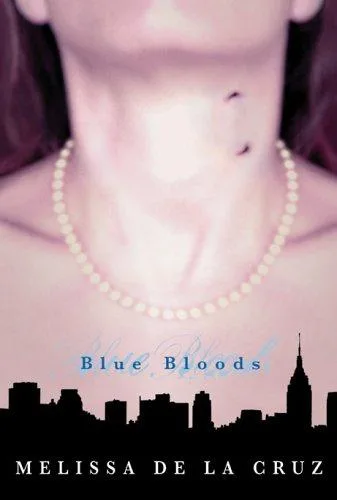
Blue Bloods
 77
77

Blue Bloods
Melissa De La Cruz’s "Blue Bloods" offers a compelling, if occasionally melodramatic, exploration of vampire aristocracy. The novel’s strength lies in its vivid depiction of the Schuyler family’s ancient lineage and their stratified society, set against the glittering backdrop of New York City. De La Cruz successfully creates an atmosphere of both privilege and peril, where eternal life is both a gift and a curse. The introduction of the "Blue Blood" concept, denoting a specific, powerful vampire class, provides an intriguing framework for the ensuing conflicts. However, the narrative sometimes falters under the weight of its own intricate mythology, occasionally becoming dense with exposition. A particular point of interest is the portrayal of the annual "Masquerade," a significant event that underscores the secrecy and social rituals vital to the vampires’ existence. While it establishes a solid foundation for the series, the pacing in the latter half could have benefited from more focused character development. It’s a promising start for those drawn to urban fantasy with a historical bent.
📝 Description
77
### What It Is Blue Bloods, published in 2006 by Melissa De La Cruz, initiates a narrative saga focused on the Schuyler sisters, a family of New York vampires. The series blends elements of gothic romance, historical fiction, and supernatural intrigue, centering on themes of immortality, power, and the intricate social dynamics of immortal beings. The initial installment introduces the core characters and their ancient lineage, setting the stage for ongoing conflicts and personal dramas within their clandestine society. The narrative explores the allure and burden of eternal life, as experienced by a select, privileged few.
### Who It's For This series appeals to readers who enjoy supernatural fiction with a strong emphasis on character relationships and societal structures. Fans of vampire lore, particularly those interested in aristocratic or historical interpretations of the mythos, will find the portrayal of the Schuyler family compelling. It is also suitable for young adults and adults seeking escapist fiction that combines elements of romance, drama, and the occult. The intricate plotting and focus on interpersonal dynamics make it engaging for those who appreciate narrative depth within a fantastical framework.
### Historical Context The early 2000s saw a resurgence of interest in vampire literature, partly influenced by Anne Rice's earlier works and the growing popularity of paranormal romance. Blue Bloods emerged within this landscape, offering a modern take on vampire mythology by grounding it in the elite social circles of New York City. Unlike earlier gothic traditions that often focused on isolated castles or rural settings, De La Cruz places her immortal characters within contemporary, high-society environments. This shift reflects a broader trend in popular culture to re-examine classic mythologies through a modern, urban lens.
### Key Concepts The series operates on several core concepts, including the inherent hierarchy within vampire society, often referred to as the 'Blue Bloods' themselves. This designation signifies an ancient lineage and a perceived superiority among certain vampire factions. The narrative also explores the concept of 'The Change,' the process by which humans become vampires, and the associated rituals and transformations. Furthermore, the idea of the 'Conclave,' a governing body or council of powerful vampires, plays a significant role in shaping the political landscape of their hidden world. The interplay between these ancient traditions and the modern world forms a central tension.
💡 Why Read This Book?
• Gain insight into the specific social hierarchy of the 'Blue Bloods,' understanding their unique privileges and the inherent dangers of their ancient lineage, as established in the novel's 2006 debut. • Explore the concept of 'The Change' and the transformative rituals involved in becoming a vampire within De La Cruz's established narrative, offering a distinct perspective on vampiric origins. • Witness the functioning of the vampire 'Conclave,' a central governing body, and understand its influence on the lives of characters like the Schuyler sisters within their secret society.
⭐ Reader Reviews
Honest opinions from readers who have explored this book.
❓ Frequently Asked Questions
What is the main premise of Melissa De La Cruz's Blue Bloods?
Blue Bloods, first published in 2006, centers on the Schuyler sisters, a family of ancient vampires living in New York City. It explores their immortal lives, internal conflicts, and the hidden vampire society they inhabit, blending historical elements with supernatural intrigue.
Who are the 'Blue Bloods' in the context of the book?
The 'Blue Bloods' refers to an elite, ancient lineage of vampires within the narrative. This designation signifies a higher status and perceived power within the vampire hierarchy, distinguishing them from other supernatural beings.
What is the significance of the 'Conclave' in Blue Bloods?
The 'Conclave' is presented as a governing council or ruling body for vampires in the series. It dictates rules, manages affairs, and often represents the established order that characters must navigate or challenge.
Does Blue Bloods have any historical basis or inspiration?
While fictional, Blue Bloods draws inspiration from historical settings and the concept of ancient aristocratic families. The early 2000s saw a rise in vampire literature, and De La Cruz placed her vampires within a contemporary, high-society New York.
What kind of supernatural elements can I expect in Blue Bloods?
The book features traditional vampire elements such as immortality, heightened senses, and the process of transformation ('The Change'). It also introduces a structured vampire society with its own rules, hierarchies, and conflicts.
Is Blue Bloods considered Young Adult or Adult fiction?
Blue Bloods is generally categorized as Young Adult fiction, focusing on themes and characters appealing to a younger demographic, though its complex mythology and romantic elements can also attract adult readers interested in paranormal stories.
🔮 Key Themes & Symbolism
Vampire Aristocracy
The novel establishes a distinct social hierarchy among vampires, with the 'Blue Bloods' representing an ancient, powerful elite. This theme explores themes of inherited status, privilege, and the inherent conflicts that arise from such divisions. The narrative contrasts the opulent lifestyles of these ancient beings with the often brutal realities of maintaining their power and secrecy in the modern world. The concept of lineage is paramount, dictating social standing and access to power within their hidden society, a core element explored from the book's 2006 publication.
Immortality and its Burdens
Central to Blue Bloods is the exploration of eternal life not just as a gift, but as a complex burden. Characters grapple with the emotional toll of outliving loved ones, the ennui of endless existence, and the constant need to maintain secrecy. The narrative questions whether immortality offers true power or merely a gilded cage, particularly for the younger vampires or those struggling with their eternal nature. This existential aspect is woven through the characters' personal dramas and societal obligations.
Hidden Societies and Rituals
The book details a clandestine vampire society operating beneath the surface of human civilization. This includes intricate social codes, secret meetings, and significant events like the 'Masquerade.' The emphasis on these hidden structures highlights themes of duality—the public facade versus the private reality. Understanding these rituals and the governing 'Conclave' is crucial for comprehending the characters' motivations and the underlying tensions that drive the plot forward.
Transformation and Identity
The process of 'The Change,' by which humans become vampires, is a significant theme. It represents not only a physical transformation but also a profound shift in identity and belonging. Characters who undergo this change must reconcile their past humanity with their new immortal existence, often facing challenges related to integration into the existing vampire hierarchy. This theme explores the fluidity of identity when faced with supernatural alteration and eternal life.
💬 Memorable Quotes
“The Schuyler family's ancient lineage defines their place in the vampire world.”
— This highlights the core concept of inherited status within the narrative. It suggests that one's identity and power are intrinsically linked to their ancestral background, a key element driving social dynamics and conflict among the vampires.
“Immortality offers endless time, but also endless secrets to keep.”
— This interpretation speaks to the dual nature of eternal life presented in the book. While granting longevity, it imposes the burden of maintaining secrecy from the human world and managing the complex social rules of the vampire community.
“The Masquerade is more than a party; it's a reaffirmation of their hidden existence.”
— This paraphrased concept emphasizes the symbolic importance of social events in the novel. Such gatherings serve not just for entertainment but to reinforce the boundaries and traditions of the secret vampire society.
“Becoming a vampire means leaving one life behind to enter another.”
— This captures the essence of 'The Change.' It signifies a complete severance from one's former identity and the challenging integration into a new, supernatural existence with its own set of rules and expectations.
“Power within the vampire world is dictated by bloodline and ancient alliances.”
— This interpretation points to the established hierarchy. It suggests that social standing and influence are not earned through merit alone but are predetermined by one's ancestral connections and historical pacts within the vampire community.
🌙 Esoteric Significance
Tradition
While not overtly tied to a single esoteric tradition like Kabbalah or Theosophy, "Blue Bloods" draws upon the archetype of the immortal being, a common thread in many occult systems. Its depiction of a secret, ancient lineage with specific powers and societal structures echoes Gnostic ideas of hidden knowledge and elite understanding, albeit secularized within a YA fiction context. The narrative's focus on bloodlines and inherited power can be loosely compared to concepts of spiritual lineage or astral ancestry found in various esoteric schools, presenting these ideas through a lens of secularized mythology.
Symbolism
The concept of 'Blue Blood' itself functions symbolically, representing not just aristocracy but an ancient, almost sacred, purity within the vampire lineage. The 'Masquerade' symbolizes the dual existence—the hidden supernatural world concealed behind a veil of normalcy, akin to the esoteric principle of the "divine within" or the hidden spiritual self. The transformation, or 'The Change,' symbolizes a profound, irreversible shift in being, a death and rebirth that mirrors initiation rites found in some esoteric traditions, marking a passage into a different state of consciousness or existence.
Modern Relevance
The series' exploration of elite, hidden societies and the manipulation of power continues to resonate with contemporary discussions around social stratification and secret organizations. Modern occult practitioners and students of comparative mythology might find the book an interesting case study in how ancient archetypes of immortal beings and hidden orders are adapted for mass media. The narrative’s focus on the psychological impact of long-term existence and identity can also provide relatable parallels for individuals exploring themes of personal transformation and longevity in modern spiritual or self-help contexts.
👥 Who Should Read This Book
• Young adult readers interested in paranormal romance and fantasy with a focus on social dynamics and complex character relationships. • Fans of vampire lore seeking a modern interpretation that integrates historical elements with contemporary New York City settings. • Readers who appreciate narratives exploring themes of immortality, hidden societies, and the burdens of power within a structured fictional universe.
📜 Historical Context
Published in 2006, "Blue Bloods" emerged during a period of intense popular fascination with vampire fiction, following the success of authors like Anne Rice and the burgeoning paranormal romance genre. Melissa De La Cruz positioned her narrative within the elite social strata of New York City, a departure from the more gothic, isolated settings often found in earlier vampire tales. This urban, high-society focus reflected a contemporary trend of recontextualizing classic myths within modern, familiar landscapes. The early 2000s also saw a rise in Young Adult literature exploring supernatural themes, a market De La Cruz tapped into. While not directly engaging with academic discourse, the book's reception contributed to the broader cultural conversation about vampire mythology, alongside contemporaries like Stephenie Meyer's "Twilight" series, which debuted the same year, though with a different thematic emphasis on romance over aristocratic intrigue.
📔 Journal Prompts
The Schuyler family's ancient lineage and its implications for character motivations.
Reflect on the concept of 'The Change' and its potential impact on personal identity.
Analyze the function and symbolism of the 'Masquerade' within the vampire society.
Consider the pressures faced by characters due to the existence of the vampire 'Conclave'.
Explore the thematic tension between immortality and the burdens it carries.
🗂️ Glossary
Blue Bloods
A term used in the book to denote an ancient and elite lineage of vampires, signifying a higher social status and perceived inherent power within their society.
The Change
The supernatural process by which a human is transformed into a vampire, involving physical and often psychological alterations, marking a transition into eternal life.
Conclave
A governing council or assembly of powerful vampires responsible for maintaining order, setting rules, and managing the affairs of the hidden vampire world.
Masquerade
A significant social event or tradition within the vampire community, often involving elaborate costumes and rituals, which serves to reinforce their secrecy and social structure.
Lineage
Refers to ancestry and inherited traits, particularly important in Blue Bloods where a vampire's family history dictates their status, power, and place within the established hierarchy.
Immortal
Possessing eternal life; in the context of the book, referring to vampires who do not age or die naturally, facing unique challenges and responsibilities.
Vampire Society
The structured, often hidden, community of vampires depicted in the book, complete with its own rules, hierarchies, and internal politics.