Ayurvedic healing
 76
76

Ayurvedic healing
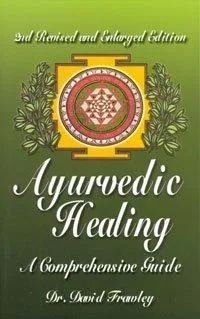
David Frawley’s Ayurvedic Healing serves as a solid, if somewhat dense, introduction to a vast medical system. Its strength lies in its systematic approach, meticulously detailing the doshas, Agni, and the subtle energies that govern physiology. Frawley’s insistence on viewing Ayurveda as a complete life philosophy, not just a medical practice, is compelling. However, the prose can sometimes feel academic, occasionally sacrificing accessibility for exhaustive detail. The section discussing the role of Ojas, for instance, provides a profound glimpse into Ayurvedic vitality, but requires careful attention. For readers willing to engage with its depth, Ayurvedic Healing offers a foundational understanding of a tradition that has sustained health for millennia.
📝 Description
76
David Frawley's Ayurvedic Healing, published in 1989, interprets the ancient Indian medical system.
Ayurvedic Healing provides an introduction to the Indian medical system, focusing on its philosophical basis and practical health applications. The book presents Ayurveda as a holistic approach to living in accord with natural cycles, rather than just a catalog of treatments. Frawley explains the core principles that shape the body, mind, and spirit within Ayurvedic thought. This work is for those interested in natural health, holistic wellness, and Indian philosophical traditions. It suits readers who want to understand the origins of illness from an Ayurvedic viewpoint, not just manage symptoms. Beginners will find a clear structure, and those with some background may value Frawley's detailed explanations of key ideas.
The book systematically covers essential Ayurvedic concepts. These include the three doshas (Vata, Pitta, Kapha) and their characteristics, Agni (digestive fire) and its health impact, Ojas (vital essence), and the gunas (Sattva, Rajas, Tamas) affecting the mind and body. It also describes Ayurvedic methods for diet, daily routines, and herbal remedies.
This book connects Ayurvedic medicine to the broader Vedic tradition, referencing concepts from texts like the Rigveda. It emerged during a time of increased Western interest in Eastern philosophies and alternative healing practices. Frawley's work contributes to the literature on yoga and Ayurveda for Western readers, offering an interpretation that is both scholarly and approachable. It frames Ayurveda not just as a system of physical health but as a philosophy for spiritual development and living in harmony with universal principles.
💡 Why Read This Book?
• Gain a structured understanding of the three doshas (Vata, Pitta, Kapha) and how their imbalances manifest as illness, a core tenet of Ayurvedic diagnostics. • Learn about the concept of Agni, or digestive fire, and its critical role in metabolism and assimilation, a principle unique to Ayurvedic physiology. • Discover the significance of Ojas, the subtle vital essence, and how to cultivate it through diet and lifestyle as described in Ayurvedic texts.
⭐ Reader Reviews
Honest opinions from readers who have explored this book.
❓ Frequently Asked Questions
What are the three doshas in Ayurveda?
The three doshas are Vata, Pitta, and Kapha. These are fundamental bio-energies in Ayurveda, representing combinations of the five elements (ether, air, fire, water, earth), that govern physiological and psychological functions in the body.
When was Ayurvedic Healing first published?
Ayurvedic Healing by David Frawley was first published in 1989, making it an established text in the field of Ayurvedic studies.
What is Agni in the context of Ayurveda?
Agni refers to the digestive fire or metabolic power in Ayurveda. Maintaining a balanced Agni is considered crucial for health, as it governs digestion, assimilation, and transformation of food into bodily tissues.
How does Ayurveda relate to Vedic philosophy?
Ayurveda is considered the 'science of life' and is deeply rooted in Vedic philosophy, particularly the Samkhya school of thought. It views the body and mind as microcosms reflecting the macrocosm, governed by universal principles.
What are the qualities of Vata dosha?
Vata dosha is characterized by qualities such as dry, light, cold, rough, subtle, and mobile. An imbalance of Vata can lead to conditions related to movement, such as anxiety, constipation, or joint pain.
Can Ayurvedic Healing be used for specific health conditions?
While Ayurvedic Healing provides foundational knowledge, it is primarily an introductory text to the philosophy and principles. Specific treatment protocols for diseases require consultation with a qualified Ayurvedic practitioner.
🔮 Key Themes & Symbolism
The Three Doshas
The book intricately details the three doshas: Vata, Pitta, and Kapha. These are not merely physical types but dynamic forces governing all biological processes. Frawley explains their elemental composition, characteristic qualities (gunas), and their influence on physical constitution, mental tendencies, and susceptibility to disease. Understanding the unique balance and imbalance of these doshas is presented as the central to Ayurvedic diagnosis and treatment, offering a framework for personalized health.
Agni: The Digestive Fire
A central theme is the concept of Agni, the biological fire responsible for digestion, assimilation, and transformation. Frawley emphasizes that a strong and balanced Agni is fundamental to health, preventing the accumulation of ama (toxins). The work explores various types of Agni and the impact of diet, lifestyle, and emotional states on its efficacy, highlighting how cultivating proper digestion is key to maintaining vitality and preventing illness.
Ojas and Vitality
Ayurvedic Healing introduces Ojas, the subtle essence of vitality and immunity, as the ultimate goal of proper digestion and metabolism. Frawley describes Ojas as the refined product of healthy tissues and the foundation of physical and mental strength. The book outlines practices and dietary recommendations aimed at nourishing and increasing Ojas, thereby enhancing resilience, clarity, and overall well-being.
Dharma and Lifestyle
Beyond physical health, the book connects Ayurvedic principles to the concept of Dharma, or one's true purpose and way of living. Frawley suggests that aligning one's lifestyle with natural rhythms and personal constitution (Prakriti) is essential for spiritual and physical harmony. This includes recommendations for daily routines (dinacharya), seasonal adjustments (ritucharya), and mindful living that supports both earthly and spiritual development.
💬 Memorable Quotes
Direct passages from the work, attributed to the author.
“Ayurveda is the science of life, health and longevity.”
— This foundational statement frames Ayurveda not just as a medical system but as a comprehensive philosophy for living a full and healthy life, emphasizing its focus on duration and quality of existence.
“The doshas are the fundamental forces that govern all life.”
— This highlights the pervasive influence of Vata, Pitta, and Kapha, positioning them as the primary energies responsible for both the functioning and the potential dysfunction within any living organism.
“Ama is the root cause of disease.”
— This interpretation points to the concept of undigested metabolic waste or toxins (ama) as the primary culprit behind illness in the Ayurvedic view, emphasizing purification and proper digestion.
💡 Key Ideas
Editorial paraphrase of the work's core concepts — not direct quotes.
Good digestion is the root of all health.
This paraphrase underscores the paramount importance of Agni (digestive fire) in Ayurvedic thought, suggesting that optimal health begins with the body's ability to properly process and utilize nourishment.
The body is a reflection of the mind.
This quote emphasizes the psychosomatic nature of health in Ayurveda, suggesting a deep interconnectedness where mental states directly influence physical well-being, and vice-versa.
🌙 Esoteric Significance
Tradition
Ayurveda, as presented by Frawley, aligns with the broader Vedic and Yogic traditions, which are considered foundational to many esoteric systems. It shares roots with Samkhya philosophy, emphasizing the manifestation of consciousness through material principles. While distinct from Hermeticism or Kabbalah, it offers a parallel framework for understanding cosmic and human energies, focusing on natural law and vital force (prana) rather than divine emanations or angelic hierarchies.
Symbolism
Key symbols include the five elements (Pancha Mahabhutas) – Ether, Air, Fire, Water, Earth – which form the basis of the doshas and all matter. The concept of Agni, often symbolized by fire, represents transformation and digestion. Ojas, the subtle vital essence, can be seen as a symbol of ultimate vitality and spiritual potential, the refined product of material existence aligned with cosmic principles.
Modern Relevance
Frawley's work continues to be influential in contemporary Ayurvedic and yogic circles. Modern practitioners and students of Vedic sciences often cite his foundational texts. His approach informs integrated wellness programs and draws parallels with modern concepts of psychoneuroimmunology and holistic health, demonstrating the enduring applicability of ancient wisdom in understanding mind-body connections and preventative care.
👥 Who Should Read This Book
• Aspiring Ayurvedic practitioners and students seeking a comprehensive philosophical and theoretical foundation before diving into clinical applications. • Individuals interested in comparative studies of ancient healing systems, particularly those exploring the connections between Ayurveda, Yoga, and Vedic philosophy. • Wellness enthusiasts looking to understand the root principles of holistic health and natural living beyond symptom management, focusing on constitutional balance.
📜 Historical Context
Published in 1989, David Frawley's Ayurvedic Healing emerged as a significant contribution to the growing Western engagement with Indic traditions. This era saw figures like Deepak Chopra gaining prominence, popularizing Ayurvedic concepts for a broader audience. Frawley’s work, however, aimed for a deeper philosophical grounding, situating Ayurveda within its Vedic roots, referencing ancient texts and concepts often overlooked in more superficial introductions. It contrasted with the more medically focused or simplified presentations of Ayurveda becoming available. The book’s scholarly approach appealed to a segment of readers seeking a more authentic and comprehensive understanding, differentiating itself from the burgeoning New Age interpretations of Eastern medicine.
📔 Journal Prompts
The five elements and their manifestation as the doshas.
Reflecting on the balance of Agni in one's own life.
The qualities of Vata, Pitta, and Kapha in personal experience.
Cultivating Ojas through daily practices.
Ayurvedic principles for aligning with natural rhythms.
🗂️ Glossary
Dosha
The three fundamental bio-energetic principles (Vata, Pitta, Kapha) that govern physiological and psychological functions in the body according to Ayurveda.
Agni
The digestive fire or metabolic power responsible for breaking down food, assimilating nutrients, and transforming substances within the body.
Ama
Undigested metabolic waste or toxins that accumulate in the body due to weak Agni, believed to be a primary cause of disease.
Ojas
The subtle essence of vitality, immunity, and spiritual potential, considered the refined product of proper digestion and metabolism.
Prakriti
An individual's unique, innate constitution or blueprint, determined by the relative balance of the doshas at conception.
Vikriti
The current state of imbalance or deviation from one's original Prakriti, reflecting the current state of the doshas.
Gunas
The three fundamental qualities or modes of nature (Sattva, Rajas, Tamas) that influence the mind and body.
🔮 Readers Also Liked
Browse all →
![Collected Short Stories [51 stories]](/img/thumb/collected-short-stories-51-stories-roald-dahl-593005.webp)







More by David Frawley
All books →




More Free Occult Philosophy Books
View all →