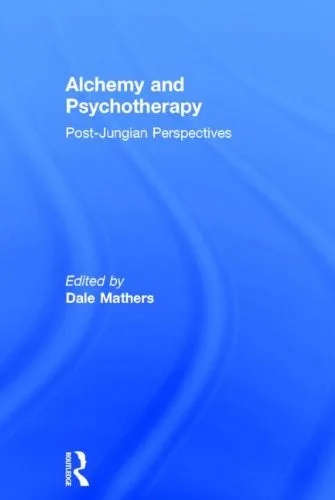
Alchemy and Psychotherapy

 75
75

Alchemy and Psychotherapy
Dale Mathers' *Alchemy and Psychotherapy* attempts a delicate balancing act, seeking to bridge the arcane language of the alchemist with the clinical lexicon of the therapist. The book's strength lies in its meticulous drawing of parallels between the stages of the alchemical Great Work and the arc of therapeutic healing. For instance, the exploration of the *nigredo* (blackening) as a representation of the initial descent into shadow material in therapy is particularly illuminating. However, the work sometimes struggles with over-interpretation, occasionally stretching alchemical symbolism to fit psychotherapeutic models where the connection feels less organic. The discussion on the *coniunctio* as a metaphor for achieving psychic wholeness is compelling, but could benefit from more direct engagement with contemporary therapeutic modalities beyond Jungian archetypes. Despite this, Mathers provides a valuable lens for those seeking deeper symbolic resonance in psychological transformation.
📝 Description
75
### What It Is Alchemy and Psychotherapy, first published in 2014 by Dale Mathers, offers a comparative analysis of alchemical symbolism and modern psychotherapeutic practices. It posits that the transformative processes described in alchemical texts mirror the psychological work undertaken in therapy. The book examines how ancient alchemical metaphors can illuminate contemporary understandings of the psyche's development and healing.
### Who It's For This work is intended for psychotherapists, analysts, and counselors seeking to enrich their theoretical frameworks with archetypal imagery. It also appeals to scholars of esoteric traditions, particularly alchemy, who are interested in its psychological interpretations. Individuals engaged in personal growth or exploring Jungian psychology will find its bridging of historical symbolism and inner work compelling.
### Historical Context The book engages with the lineage of psychological interpretations of alchemy, most notably pioneered by Carl Jung. Jung's own extensive research into alchemical texts, beginning in the 1920s and continuing through his later works like *Mysterium Coniunctionis* (1956), laid the groundwork for viewing alchemical processes as symbolic representations of psychic individuation. Mathers builds upon this foundation, contextualizing Jung's insights within the broader history of alchemy's reception and reinterpretation.
### Key Concepts Central to Mathers' exploration is the concept of *coniunctio*, or the union of opposites, which alchemists pursued as the Great Work. The book applies this to therapeutic goals, where integration of conflicting aspects of the self is paramount. Other concepts include the *prima materia* as the raw, undifferentiated psychic material, and the stages of transformation (nigredo, albedo, rubedo) as phases of psychological breakdown, purification, and integration within a therapeutic context.
💡 Why Read This Book?
• Gain a unique perspective on therapeutic processes by understanding the symbolic stages of the alchemical *Great Work*, offering a framework for psychological integration. • Explore the *coniunctio*, the alchemical union of opposites, as a potent metaphor for reconciling internal conflicts and achieving psychic wholeness in your personal or professional life. • Discover how ancient alchemical imagery, such as the *prima materia*, can reframe your understanding of raw, undifferentiated psychic potential and its transformation.
⭐ Reader Reviews
Honest opinions from readers who have explored this book.
❓ Frequently Asked Questions
What is the primary connection between alchemy and psychotherapy in Dale Mathers' book?
The book argues that alchemical processes, particularly the stages of the Great Work, serve as powerful symbolic metaphors for the transformative journey of psychological healing and individuation in psychotherapy.
Which psychological school of thought is most closely aligned with the ideas in Alchemy and Psychotherapy?
The work is heavily influenced by Carl Jung's analytical psychology, particularly his theories on archetypes and the symbolic interpretation of alchemical texts as outlined in his writings from the mid-20th century.
What does the alchemical term 'nigredo' represent in the context of therapy?
The 'nigredo' (blackening) is presented as symbolizing the initial, often difficult, phase of therapy where individuals confront their shadow aspects, repressed material, and the breakdown of old ego structures.
Can I use the concepts from this book in my own therapy practice?
Yes, therapists can use the alchemical symbolism as an interpretive lens to understand patient dynamics and the stages of therapeutic progress, especially within a Jungian or depth psychology framework.
When was Alchemy and Psychotherapy first published?
Alchemy and Psychotherapy by Dale Mathers was first published in 2014, bringing these comparative ideas to contemporary discussions.
What is the 'coniunctio' in relation to psychotherapy?
The 'coniunctio' refers to the alchemical union of opposites, which Mathers relates to the therapeutic goal of integrating conflicting aspects of the self, leading to psychic wholeness and balance.
🔮 Key Themes & Symbolism
The Great Work as Individuation
Mathers frames the alchemical Great Work – the process of transforming base metals into gold – as a profound metaphor for the human psyche's journey toward wholeness and self-realization, a concept central to Jungian individuation. The stages of this work, from dissolution to unification, are presented as mirroring the challenges and breakthroughs encountered in therapeutic practice. The book details how the alchemist's pursuit of the Philosopher's Stone parallels the individual's quest for psychological integration and the realization of one's full potential.
Symbolic Language of Transformation
The core of the book lies in deciphering the rich symbolic language of alchemy and applying it to psychological states. It examines symbols like the *prima materia* (primordial matter), the *coniunctio* (union of opposites), and the various stages (nigredo, albedo, rubedo) as representations of psychic processes. Mathers argues that these ancient symbols offer a powerful, archetypal vocabulary for understanding the unconscious dynamics that drive both alchemical transformation and therapeutic healing.
Bridging Ancient Wisdom and Modern Practice
Alchemy and Psychotherapy seeks to revitalize therapeutic discourse by reintroducing the wisdom embedded in esoteric traditions. It positions alchemical symbolism not as mere historical curiosity, but as a living source of insight relevant to contemporary psychological challenges. By connecting these disparate fields, Mathers offers practitioners and seekers a more expansive framework for understanding the depth and complexity of the human psyche's potential for renewal.
Archetypal Resonance in Therapy
The work explores how alchemical imagery taps into universal archetypes that resonate with the human unconscious. These archetypes, as described by Carl Jung, manifest in dreams, myths, and the therapeutic relationship. Mathers suggests that by engaging with alchemical symbols, therapists and patients can access deeper layers of the psyche, fostering a more profound understanding of personal struggles and facilitating transformative change through shared symbolic meaning.
💬 Memorable Quotes
“The stages of the alchemical process, from the blackening to the final unification, are mirrored in the phases of therapeutic work.”
— This highlights the central thesis: alchemical metallurgy is not literal, but a symbolic map of psychological development and healing that can guide therapeutic exploration.
“The *coniunctio* represents the integration of opposing psychic forces, a goal central to both the alchemist's Great Work and the therapist's aim for psychic wholeness.”
— This emphasizes the therapeutic application of the alchemical union of opposites, suggesting it provides a rich metaphor for resolving internal conflicts and achieving a balanced self.
“The *prima materia* is the undifferentiated psychic potential from which all transformation begins.”
— This defines the starting point of both alchemical and psychological transformation – a state of raw, unformed material that holds the possibility for profound change.
“Alchemical symbolism offers a language to describe the often ineffable processes of the unconscious.”
— This points to the value of alchemy in providing a framework and vocabulary for articulating the subtle and complex workings of the psyche that are difficult to express directly.
“The pursuit of gold was the alchemist's external aim; the true 'gold' was the transformed self.”
— This classic alchemical interpretation underscores the inner, spiritual goal of the practice, aligning it with the psychotherapeutic pursuit of self-knowledge and inner richness.
🌙 Esoteric Significance
Tradition
This work primarily falls within the Hermetic and Jungian esoteric lineages. It draws heavily on the symbolic language and transformative processes described in Western alchemy, a tradition rooted in Hermetic philosophy and Gnosticism. Mathers reinterprets these ancient practices through the lens of analytical psychology, specifically Carl Jung's theories on archetypes and the individuation process, bridging historical esoteric knowledge with modern psychological understanding.
Symbolism
Key symbols explored include the *prima materia*, representing the raw, undifferentiated potential of the unconscious; the *coniunctio*, symbolizing the integration of dualities (masculine/feminine, conscious/unconscious); and the stages of the Great Work (nigredo, albedo, rubedo) as metaphors for psychological breakdown, purification, and integration. These symbols function as archetypal patterns of transformation applicable to the human psyche.
Modern Relevance
Contemporary depth psychologists, Jungian analysts, and scholars of consciousness studies continue to draw upon alchemical symbolism for its profound insights into the human psyche. Practitioners interested in archetypal psychology, mythology, and comparative religion find Mathers' work a valuable resource for understanding the enduring power of these ancient symbols in contemporary life and therapeutic contexts.
👥 Who Should Read This Book
• Psychotherapists and counselors, particularly those working within Jungian or depth psychology frameworks, who seek to enhance their understanding of symbolic processes and the archetypal dimensions of healing. • Students and scholars of esoteric traditions, comparative religion, and the history of consciousness, wishing to explore the psychological interpretations of alchemy and its enduring relevance. • Individuals engaged in personal growth and self-exploration who are drawn to the rich symbolism of alchemy as a map for inner transformation and psychological integration.
📜 Historical Context
Dale Mathers' *Alchemy and Psychotherapy* emerges from a rich intellectual tradition of interpreting alchemical symbolism through a psychological lens, a field significantly shaped by Carl Jung's seminal work beginning in the 1920s. Jung's exploration of alchemy, particularly his major work *Mysterium Coniunctionis* published in 1956, established the precedent for viewing these ancient practices as projections of the unconscious psyche and the process of individuation. Mathers builds upon this foundation, situating his work within the broader context of depth psychology and esoteric studies that gained traction throughout the 20th century. While Jung's interpretations were revolutionary, they also drew criticism from some historians of science who focused on alchemy's chemical aspects, creating a tension between literal and symbolic readings. Mathers engages with this legacy, offering a contemporary psychotherapeutic perspective that owes a debt to Jung but also seeks to expand upon his findings for modern therapeutic application.
📔 Journal Prompts
The concept of *prima materia* as raw psychic potential.
Reflecting on the *coniunctio* as integration of opposites.
Mapping the *nigredo* stage to personal challenges.
The alchemical goal of psychic wholeness.
Symbolic transformation beyond literal interpretation.
🗂️ Glossary
Prima Materia
The primordial, undifferentiated matter or substance from which all things are created in alchemy. In a psychological context, it represents the raw, unformed potential of the unconscious psyche.
Coniunctio
Latin for 'union' or 'conjunction'. In alchemy, it refers to the union of opposites, often symbolized by the marriage of king and queen or sun and moon, representing psychic integration and wholeness.
Nigredo
The first stage of the alchemical process, often called the 'blackening'. Psychologically, it symbolizes dissolution, confronting darkness, breakdown, and the initial descent into the unconscious or shadow aspects of the self.
Albedo
The second stage of the alchemical process, the 'whitening'. It follows the nigredo and represents purification, cleansing, and the emergence of light or consciousness from the initial dissolution.
Rubedo
The final stage of the alchemical process, the 'reddening'. It signifies the completion of the Great Work, the attainment of the Philosopher's Stone, and represents integration, wholeness, and the realization of the transformed self.
Great Work (Magnum Opus)
The entire alchemical process aimed at achieving the transmutation of base metals into gold or the creation of the Philosopher's Stone. Symbolically, it represents the process of spiritual and psychological transformation and individuation.
Individuation
A central concept in Jungian psychology referring to the process of psychological development whereby a person becomes an individual, a whole, integrated self, distinct from others.