The End of the Middle Ages: Essays and Questions in History
 70
70

The End of the Middle Ages: Essays and Questions in History


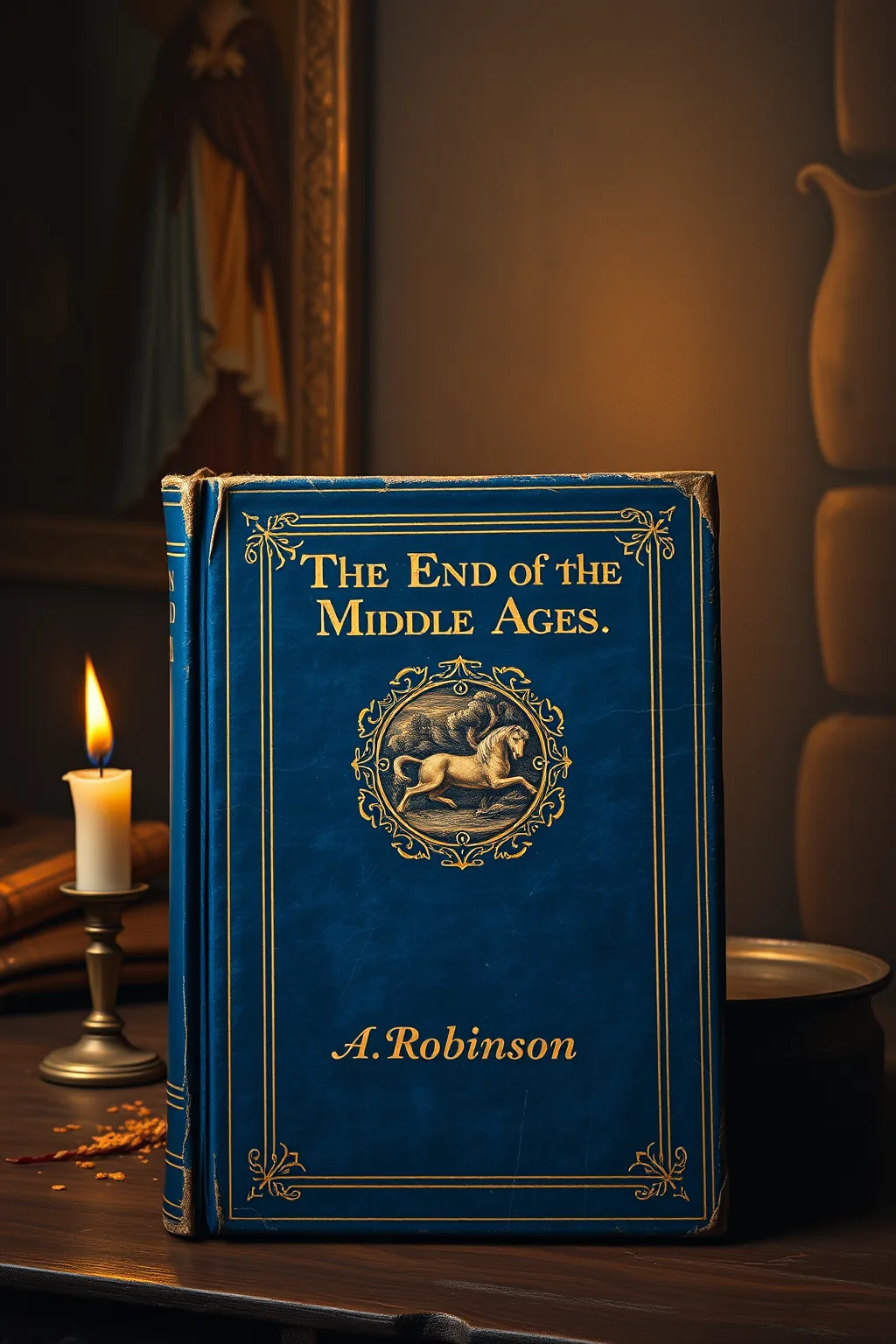
The End of the Middle Ages: Essays and Questions in History by A. Mary F. Robinson is a treasure trove for modern esoteric seekers. Published in 1857, this work offers a deep dive into the mystical and spiritual movements of the late medieval period, providing invaluable insights into the lives of the Beghards, Beguines, and Saint Gertrude the Great. Robinson's essays are not only historically significant but also spiritually enriching, making them relevant for contemporary readers interested in mysticism and contemplation. The book's detailed examination of Italy's history during the 13th and 14th centuries, particularly the influence of the Malatesta family, adds a layer of historical depth that enhances the esoteric content. Robinson's writing style is engaging and scholarly, making complex historical and spiritual concepts accessible to a wide audience. For those seeking to understand the occult and mystical traditions of the Middle Ages, this book is an indispensable resource.
📝 Description
70
A. Mary F. Robinson published 'The End of the Middle Ages' in 1905, examining esoteric thought at the close of the medieval period.
A. Mary F. Robinson's 1905 book, 'The End of the Middle Ages: Essays and Questions in History,' examines mystical and occult currents during the late medieval era and its transition into the Renaissance. Robinson's research focuses on groups like the Beghards and Beguines, individuals who pursued spiritual enlightenment beyond established religious structures. The book aims to illuminate the symbolic language and hidden knowledge that characterized this transformative period.
Robinson invites readers to consider the spiritual and esoteric undercurrents that coexisted with the political and religious events of the time. She reconstructs a world where seekers pursued divine revelation amidst societal upheaval. The work is intended for readers interested in the philosophical dimensions of this historical shift and the mystical traditions that have had lasting effects on contemporary spirituality.
This work situates itself within the study of late medieval esotericism, a field that investigates mystical, alchemical, and other non-mainstream spiritual practices. It connects the intellectual and spiritual shifts occurring at the end of the Middle Ages with the broader development of Western esoteric traditions. By examining figures and movements operating outside orthodox religious frameworks, Robinson's book contributes to understanding the diverse expressions of religious and spiritual life that informed later esoteric thought.
✍️ Author
Robinson, A. Mary F. (Agnes Mary Frances)
Agnes Mary Frances Robinson (known as Agnes-Marie-François Darmesteter after her first marriage, and Agnes Mary Frances Duclaux after her second; 27 February 1857 – 9 February 1944) was an Anglo-French poet, novelist, essayist, literary critic, and translator. She was the elder sister of the novelist and critic Frances Mabel Robinson.
💡 Why Read This Book?
Reading 'The End of the Middle Ages: Essays and Questions in History' today offers a unique opportunity to explore the mystical and occult traditions of the late medieval period. This book provides a rich historical context that helps readers understand the spiritual movements and figures that shaped the era. By delving into the lives of the Beghards, Beguines, and Saint Gertrude the Great, readers gain insights into the contemplative practices and esoteric beliefs that continue to influence spiritual seekers today. The book's detailed examination of Italy's history and the Malatesta family adds depth to the understanding of how spiritual and secular powers intersected during this time. For anyone interested in mysticism, occult studies, or medieval history, this book is a must-read.
⭐ Reader Reviews
Honest opinions from readers who have explored this book.
❓ Frequently Asked Questions
What is the primary focus of 'The End of the Middle Ages'?
The primary focus of the book is the mystical and occult movements of the late medieval period, particularly the Beghards and Beguines, and the life of Saint Gertrude the Great. It also provides a detailed historical context of Italy during the 13th and 14th centuries.
Who should read this book?
This book is ideal for historians, spiritual seekers, and anyone interested in the esoteric traditions of the Middle Ages. It offers a wealth of information and thought-provoking questions that are relevant for both academic and spiritual inquiry.
What makes this book relevant for modern readers?
The book's exploration of mystical and contemplative practices, as well as its detailed historical context, makes it relevant for modern readers interested in understanding the spiritual and occult traditions of the past and their enduring influence.
🔮 Key Themes & Symbolism
Mystical Movements
Robinson's work explores the mystical movements of the Beghards and Beguines, offering insights into their spiritual practices and the hidden knowledge they sought.
Symbolism and Hidden Knowledge
The book studies the symbolism and hidden knowledge that shaped the transition from the Middle Ages to the Renaissance, providing a unique perspective on the esoteric traditions of the era.
Spiritual Seekers and Divine Revelation
Robinson's analysis of key historical figures and their quest for divine revelation offers a profound understanding of the spiritual seekers who navigated a world of political intrigue and religious fervor.
💬 Memorable Quotes
Direct passages from the work, attributed to the author.
“In the shadows of the medieval world, hidden knowledge awaits discovery.”
— Robinson highlights the esoteric wisdom that lies beneath the surface of historical events.
“Symbolism is the language of the divine, speaking to those who listen.”
— Robinson's exploration of symbolism reveals its deep spiritual significance.
💡 Key Ideas
Editorial paraphrase of the work's core concepts — not direct quotes.
The seeker of truth must work through the labyrinth of the soul.
This line underscores the inner journey required for spiritual enlightenment.
The Beghards and Beguines sought enlightenment beyond the confines of traditional religion.
This passage emphasizes the independent spiritual quest of these mystics.
The Medici family's patronage of the arts reflected a deeper spiritual vision.
This quote illustrates the esoteric undercurrents of the Renaissance.
🌙 Esoteric Significance
Tradition
This book belongs to the Hermetic tradition, which emphasizes the pursuit of hidden knowledge and spiritual enlightenment. Robinson's exploration of the Beghards and Beguines, as well as her analysis of key historical figures, reflects the Hermetic quest for divine revelation and the unification of the soul with the divine.
Symbolism
Key symbols in the book include the labyrinth, representing the inner journey of the soul, and the rose, symbolizing divine love and enlightenment. Robinson's analysis of these symbols reveals their deep spiritual significance and their role in the esoteric traditions of the era.
Modern Relevance
Today, Robinson's work continues to inspire modern practitioners of the occult and those seeking spiritual enlightenment. Her insights into the mystical movements of the late Middle Ages and the esoteric traditions that shaped the Renaissance offer a valuable resource for those working through the spiritual field of the modern world.
👥 Who Should Read This Book
This book is ideal for scholars of medieval history and mysticism, spiritual seekers interested in the occult, and practitioners of esoteric traditions. Beginners will find Robinson's clear and accessible writing style an excellent introduction to the mystical and occult themes of the late Middle Ages, while advanced scholars will appreciate her meticulous research and clear insights. Spiritual seekers will be drawn to the book's exploration of hidden knowledge and symbolism, finding inspiration in the quest for divine revelation that permeates its pages.
📜 Historical Context
The late Middle Ages were a time of profound spiritual and political upheaval, as the world transitioned from the medieval era to the Renaissance. A. Mary F. Robinson's 'The End of the Middle Ages' provides a detailed exploration of this key period, highlighting the mystical and occult themes that shaped the era. The book's significance lies in its ability to illuminate the hidden knowledge and symbolism that influenced key historical figures and events, offering a unique perspective on the spiritual seekers who navigated this tumultuous time. Robinson's work has had a lasting influence on the study of medieval mysticism and the occult, inspiring scholars and seekers alike to delve deeper into the esoteric traditions of the past.
📔 Journal Prompts
Reflect on the spiritual practices of the Beghards and Beguines. How might their quest for enlightenment influence your own spiritual journey?
Consider the role of symbolism in your life. What symbols hold deep spiritual significance for you, and how do they guide your path?
Explore the concept of hidden knowledge. What hidden truths do you seek to uncover in your own life, and how might you go about discovering them?
Think about the historical figures discussed in the book. How did their quest for divine revelation shape their lives and the world around them?
Reflect on the transition from the Middle Ages to the Renaissance. How did the spiritual and esoteric themes of this period influence the development of modern spirituality?
🗂️ Glossary
Beghards
A lay religious movement in the late Middle Ages that sought spiritual enlightenment outside traditional religious institutions.
Beguines
A similar movement to the Beghards, focusing on communal living and spiritual devotion.
Gertrude the Great
A German Benedictine nun and mystic known for her profound spiritual writings and visions.
Medici Family
A powerful and influential Italian dynasty known for their patronage of the arts and their role in the Renaissance.
Hermetic Tradition
An esoteric tradition that emphasizes the pursuit of hidden knowledge and spiritual enlightenment.
This book appears in 1 collection
🔮 Readers Also Liked
Browse all →





From the “Christian Mysticism” Collection
View all →






More Free Mysticism & Contemplation Books
View all →