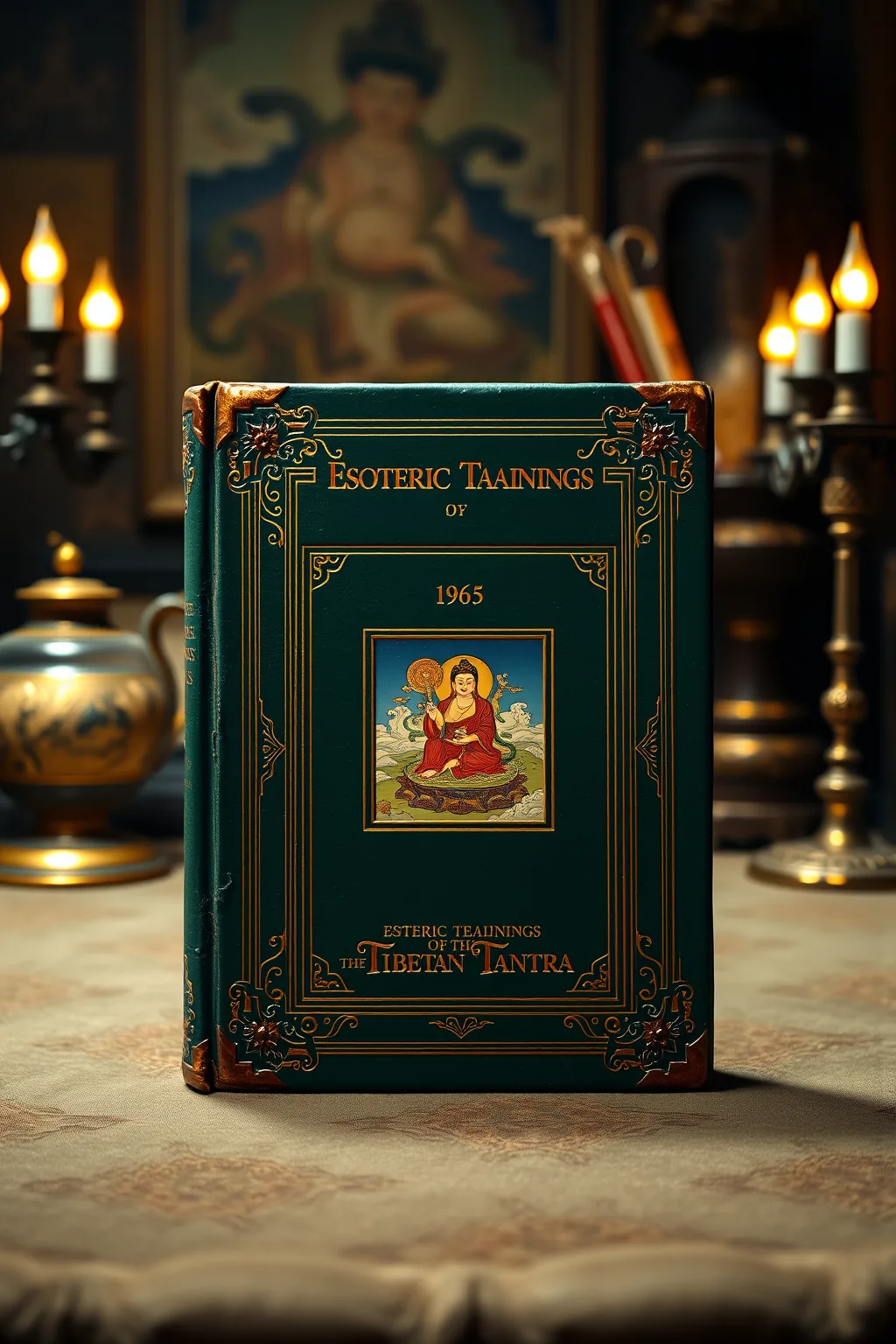
Esoteric Teachings of the Tibetan Tantra
 78
78

Esoteric Teachings of the Tibetan Tantra



Sophia Crane (Associate Editor) — 'Esoteric Teachings of the Tibetan Tantra' by Charles Musès is an indispensable resource for anyone serious about exploring the depths of Vajrayāna. Musès masterfully bridges the gap between esoteric doctrine and practical application, rendering complex tantric teachings with clarity and reverence. His insightful commentary on foundational texts like the Six Yogas of Nāropā and Mahāmudrā is particularly illuminating, offering practitioners a solid foundation and scholars a valuable comparative tool. This volume is not merely a translation; it is an initiation into a rich spiritual tradition, making it essential reading for dedicated seekers and academic researchers alike who wish to engage with the profound transformative potential of Tibetan Tantra.
📝 Description
78
Charles Musès published 'Esoteric Teachings of the Tibetan Tantra' in 1961, translating classic tantric texts.
This 1961 volume by Charles Musès presents translations of key Tibetan tantric texts. Musès sought to make these complex teachings accessible to a Western audience. The book details practices such as the Seven Initiation Rituals and the Six Yogas of Nāropā. It also covers Mahāmudrā realization teachings. Musès provides commentary to clarify the arcane concepts within these traditions. The work aims to connect ancient tantric thought with contemporary spiritual inquiry. It focuses on practices intended to lead toward liberation and enlightenment.
The author's intent was to bridge the gap between established Tibetan Buddhist lineages and individuals seeking deeper spiritual understanding. The book addresses the universal truths found within Tibetan Buddhism. It offers insights into practices that have been preserved for centuries. Musès's work is for those interested in the sacred aspects of existence and the self.
This book situates itself within the Vajrayāna tradition of Tibetan Buddhism. Vajrayāna, often translated as 'diamond vehicle' or 'thunderbolt vehicle,' is known for its complex tantric practices and initiatory transmissions. These methods, including elaborate visualizations, mantra recitation, and yogic techniques, are designed to accelerate spiritual development. The teachings often involve direct transmission from guru to disciple and utilize esoteric symbolism. Musès's work engages with this specific lineage, translating and interpreting texts central to its practice.
✍️ Author
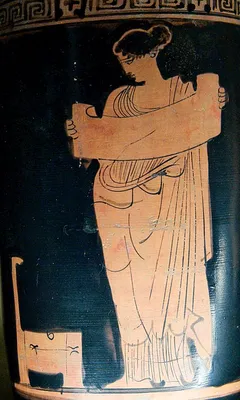
Charles Muses
In ancient Greek religion and mythology, the Muses (Ancient Greek: Μοῦσαι, romanized: Moúsai, [ˈmuː.sai̯]; singular: Μοῦσα, Moúsa, [ˈmuː.sa]; Greek: Μούσες, romanized: Múses, [ˈmuː.ses]) were the inspirational goddesses of literature, science, and the arts.…
💡 Why Read This Book?
This book is essential for seekers drawn to the profound mysteries of Tibetan Buddhism. It offers a rare, accessible translation of core tantric texts, guided by expert commentary. Ideal for those interested in practical meditation, comparative mysticism, or unlocking deeper spiritual insights. Discover ancient wisdom for modern transformation.
⭐ Reader Reviews
Honest opinions from readers who have explored this book.
❓ Frequently Asked Questions
What is Vajrayāna Buddhism?
Vajrayāna, often translated as 'Diamond Vehicle' or 'Thunderbolt Vehicle,' is a branch of Mahāyāna Buddhism that emphasizes esoteric practices, tantras, and rituals for rapid spiritual attainment. It is particularly prominent in Tibet.
What are the Six Yogas of Nāropā?
A set of advanced tantric practices within Tibetan Buddhism, developed by the Indian yogi Nāropa. These yogas are designed to achieve mastery over the subtle energies of the body and mind, leading to profound states of consciousness and enlightenment.
What is Mahāmudrā?
Mahāmudrā, meaning 'Great Seal,' is a profound teaching and practice within Tibetan Buddhism, particularly associated with Kagyu and Gelug schools. It refers to the ultimate nature of reality and the direct experience of enlightened mind.
Is this book suitable for beginners?
While it delves into advanced concepts, Charles Musès's commentary makes the material accessible. Beginners with a sincere interest in esoteric Buddhism will find it a valuable, albeit challenging, introduction.
What is the historical significance of this book?
Published in 1961, it was one of the earlier comprehensive English introductions to Tibetan tantric practices, bridging a gap in Western understanding of this complex spiritual tradition during a time of growing interest in Eastern mysticism.
🔮 Key Themes & Symbolism
The Path of Transformation
This theme explores the tantric understanding of spiritual growth as an active, transformative process. It emphasizes the use of potent practices and symbolic rituals to dismantle ingrained patterns of ignorance and suffering, leading to profound inner change. The book highlights how tantra offers direct methods for realizing one's innate Buddha-nature, moving beyond gradual cultivation to swift realization through skillful means and clear insights.
Subtle Body and Energy Dynamics
Central to Tibetan Tantra is the understanding of the subtle body – the network of channels (nadis), winds (pranas), and drops (bindus) that govern our physical and mental experience. The teachings presented illuminate how these energetic forces are harnessed and directed through specific yogic techniques to purify the mind, enhance spiritual perception, and achieve states of profound meditative absorption and bliss, ultimately leading to the dissolution of dualistic perception.
Emptiness and the Nature of Reality
The book studies the core Mahāyāna concept of śūnyatā (emptiness), presenting it not as nihilistic void but as the ultimate nature of all phenomena – devoid of inherent, independent existence. Through the lens of Mahāmudrā and other tantric views, readers are guided towards recognizing this fundamental emptiness, which is seen as the ground of all experience and the key to liberation from illusion and suffering.
💬 Memorable Quotes
Direct passages from the work, attributed to the author.
“Wisdom is the eye that sees beyond the veil of illusion.”
— This highlights the transformative power of prajñā (wisdom) in distinguishing reality from delusion, enabling the practitioner to perceive the true nature of phenomena.
“The body is a temple, the mind a vessel for the divine.”
— This points to the tantric view that the physical form and mental faculties are not impediments but crucial instruments for spiritual realization and connection with the sacred.
“Initiation is the unlocking of dormant potential.”
— This emphasizes the role of ritual and guidance in tantra, suggesting that initiations serve to awaken inherent spiritual capacities that have been suppressed or unrecognized.
“Suffering is the shadow cast by clinging.”
— This succinctly explains the Buddhist principle of suffering (dukkha) as arising from attachment and aversion, pointing towards non-attachment as the path to liberation.
💡 Key Ideas
Editorial paraphrase of the work's core concepts — not direct quotes.
The path is not a distant peak, but the very ground beneath your feet.
This quote emphasizes the immanent nature of spiritual realization, suggesting that enlightenment is not an external goal but an inherent state accessible through present-moment awareness and practice.
🌙 Esoteric Significance
Tradition
This work is deeply rooted in the Tibetan Vajrayāna tradition, a sophisticated branch of Mahāyāna Buddhism known for its complex philosophical systems, advanced meditative techniques, and ritualistic practices. It draws heavily from the lineages of tantric masters, aiming to provide a pathway to enlightenment through direct experience rather than purely intellectual understanding.
Symbolism
The text is rich with esoteric symbolism, drawing from mandalas, deities, mudras, and mantras. These symbols are not mere representations but are considered active forces and psychological archetypes that, when understood and engaged with properly, facilitate profound transformations in consciousness and the realization of ultimate reality.
Modern Relevance
In an age often characterized by materialism and psychological fragmentation, the teachings on the subtle body, energy manipulation, and the nature of mind offer potent tools for self-discovery and integration. The book provides a framework for understanding consciousness that speaks to contemporary psychological and spiritual inquiries, offering practical methods for cultivating inner peace and wisdom.
👥 Who Should Read This Book
This volume is a treasure for the dedicated spiritual seeker yearning for profound wisdom. Scholars of comparative religion and Eastern philosophies will find it an invaluable resource for understanding Vajrayāna. Practitioners of meditation and contemplative disciplines will discover practical techniques and deeper theoretical grounding. While the subject matter is advanced, Charles Musès's clear exposition makes it accessible to earnest beginners curious about the esoteric dimensions of Tibetan Buddhism.
📜 Historical Context
Published in 1961, 'Esoteric Teachings of the Tibetan Tantra' emerged during a period of burgeoning Western interest in Eastern religions and philosophies. The post-war era saw a significant increase in the translation and dissemination of previously inaccessible spiritual texts from Asia. Charles Musès's work played an important role in introducing the complex and often misunderstood world of Tibetan Vajrayāna Buddhism to an English-speaking audience. At a time when direct access to Himalayan teachings was limited, this book provided a vital bridge, offering scholarly yet accessible insights into practices and philosophies that were considered highly esoteric. Its publication contributed to the growing dialogue between Western psychology and Eastern contemplative traditions, laying groundwork for future scholarship and practice.
📔 Journal Prompts
Reflect on a personal experience that felt like an 'initiation.' What dormant potential was revealed?
How does the concept of the 'subtle body' challenge or affirm your current understanding of physical and mental well-being?
Consider a personal illusion you hold. How might the 'eye of wisdom' help you see beyond it?
In what ways do you currently 'cling' to things or ideas? How does this clinging create 'shadows' or suffering in your life?
What is one core tantric principle from this book that you wish to integrate more deeply into your daily life, and how might you begin?
🗂️ Glossary
Vajrayāna
The 'Diamond Vehicle' or 'Thunderbolt Vehicle' of Buddhism, characterized by esoteric practices and rapid paths to enlightenment, prominent in Tibet.
Nāropā
An influential Indian Mahāsiddha (accomplished yogi) whose teachings, particularly the Six Yogas, are central to Tibetan Vajrayāna practice.
Mahāmudrā
A profound teaching and meditative practice in Tibetan Buddhism, meaning 'Great Seal,' referring to the ultimate nature of mind and reality.
Tantra
A complex body of esoteric teachings and practices in Hinduism and Buddhism, aiming for spiritual liberation through ritual, meditation, and the manipulation of subtle energies.
Initiation Rituals
Ceremonies that confer spiritual empowerment and transmit esoteric knowledge, enabling practitioners to engage in specific tantric practices.
This book appears in 4 collections
🔮 Readers Also Liked
Browse all →





From the “Meditation” Collection
View all →






More Free Mysticism & Contemplation Books
View all →