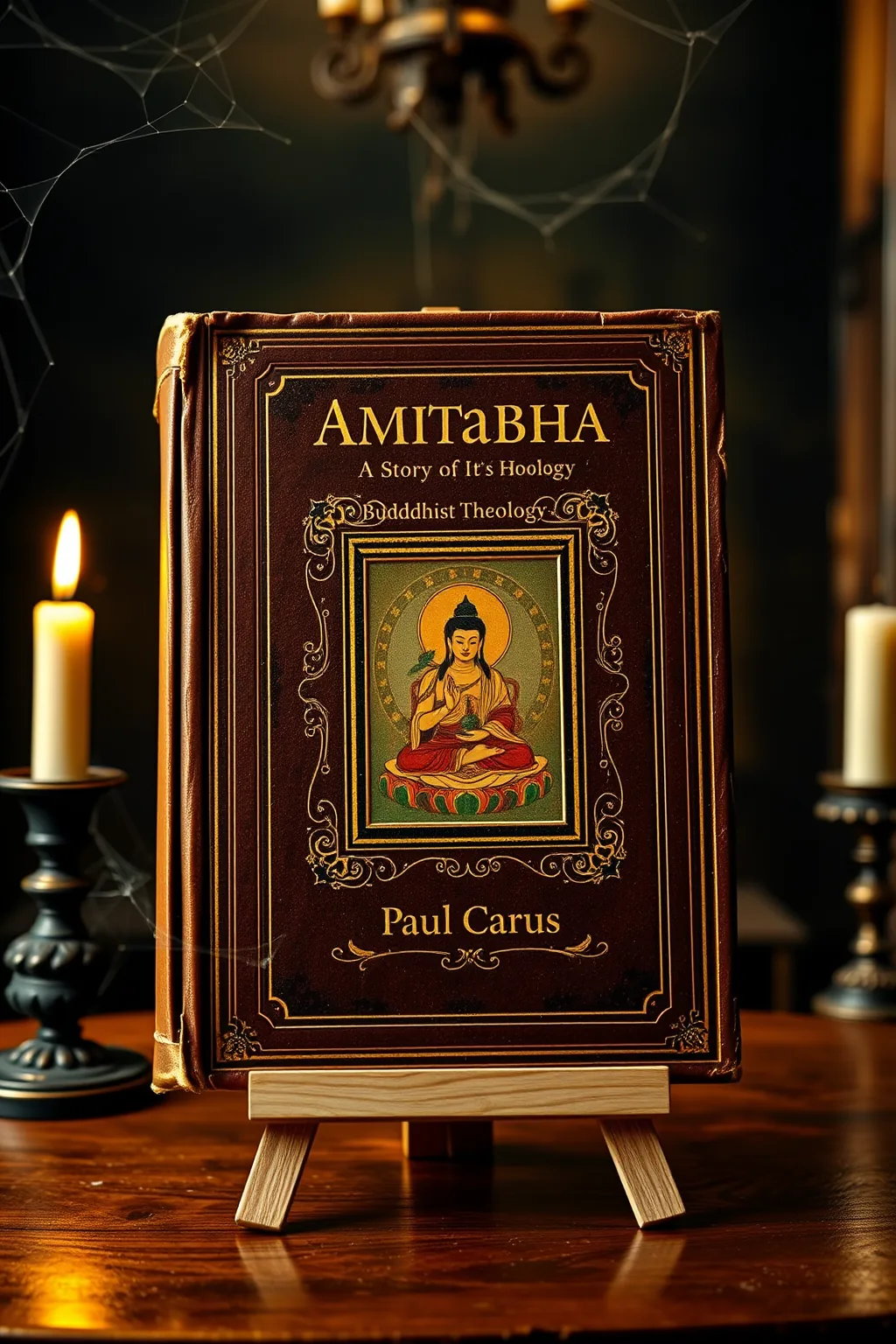
Amitabha, A Story of Buddhist Theology
 71
71

Amitabha, A Story of Buddhist Theology



Balthazar Finch (Senior Critic, Occult Philosophy) — Paul Carus's "Amitabha" is a rare gem, illuminating the foundational theology of Mahāyāna Buddhism with a narrative grace often absent in purely academic treatises. The novel masterfully renders complex philosophical discussions on salvation and the nature of the "Boundless Light" into accessible, evocative prose. Set within the historically rich Gandhara kingdom, it serves as a potent gateway for Western minds to grasp the esoteric beauty of Pure Land doctrines. This work is indispensable for scholars of comparative religion and, more importantly, for sincere seekers yearning for deeper insights into the luminous path of Buddhist contemplation.
📝 Description
71
Paul Carus's 1906 novella, Amitabha, A Story of Buddhist Theology, presents Mahāyāna Buddhist concepts through a narrative set in ancient Gandhara.
Published in 1906, Paul Carus's "Amitabha, A Story of Buddhist Theology" uses a narrative framework to explain complex Mahāyāna Buddhist ideas. The story unfolds in the Gandhara region during the reign of King Kanishka, a historical period significant for Buddhist development. It centers on monks and philosophers discussing the concept of Amitābha, often translated as "Boundless Light."
The book addresses theological debates within the Pure Land and broader Mahāyāna traditions. Key topics include the role of faith in achieving salvation and the nature of enlightenment. Carus aims to make these contemplative practices and philosophical underpinnings accessible, moving beyond a simple historical retelling to illuminate the spiritual dimensions of Buddhist thought. It offers insight into the beliefs that have influenced Buddhist philosophy for centuries.
This work situates itself within the esoteric traditions of Mahāyāna Buddhism, particularly focusing on the Pure Land school. It translates complex theological concepts and meditative aims into a narrative form accessible to a Western audience of the early 20th century. Carus's approach seeks to demystify devotional practices and philosophical inquiries into liberation, highlighting the "Boundless Light" as a central tenet of spiritual realization. The book bridges the gap between academic understanding and the experiential aspects of Buddhist spirituality.
✍️ Author
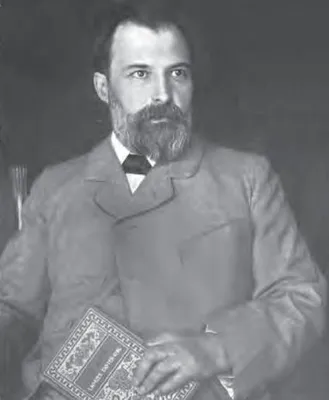
Paul Carus
Paul Carus was a German-American author, editor, philosopher, and student of comparative religion.
Esoteric Writer
💡 Why Read This Book?
Unravel the esoteric underpinnings of Mahāyāna Buddhism through a captivating narrative. "Amitabha" offers a unique blend of historical setting and profound theological exploration, making complex concepts accessible. Ideal for spiritual seekers, students of comparative religion, and practitioners interested in the Pure Land tradition and the profound symbolism of the "Boundless Light." Discover ancient wisdom for modern contemplation.
⭐ Reader Reviews
Honest opinions from readers who have explored this book.
❓ Frequently Asked Questions
What is the historical setting of the book?
The story is set in the first century CE, during the flourishing of the Gandhara kingdom and the reign of King Kanishka, a period significant for the development of Mahāyāna Buddhism.
Who is Amitābha?
Amitābha, meaning "Boundless Light," is a celestial Buddha central to Mahāyāna and Pure Land Buddhism, revered as the embodiment of infinite light, life, and compassion.
What theological concepts are explored?
The book delves into core Buddhist concepts such as faith, the nature of salvation, the path to enlightenment, and the significance of Amitābha in achieving spiritual liberation.
Is this a historical novel or a theological text?
It functions as a historical novella, using a narrative framework to explore and explain complex Buddhist theological ideas, making them engaging and understandable.
What is the 'Pure Land' tradition?
The Pure Land tradition is a branch of Mahāyāna Buddhism focused on rebirth in Amitābha's pure land, achieved through faith, devotion, and chanting his name.
🔮 Key Themes & Symbolism
The Boundless Light of Amitābha
Amitābha, the "Boundless Light," represents an ultimate, transcendent reality within Mahāyāna Buddhism, symbolizing infinite wisdom, compassion, and the potential for universal salvation. This theme explores the symbolic meaning of light as a metaphor for enlightenment, dispelling ignorance and suffering. It explores the esoteric understanding of this celestial Buddha as a source of grace and a guide for beings seeking liberation, particularly within the devotional practices of the Pure Land tradition. The concept transcends mere theological dogma, inviting contemplation on the immanent and transcendent aspects of the divine.
Pathways to Salvation and Faith
The narrative intricately explores the diverse paths to spiritual liberation within early Mahāyāna thought. It contrasts intellectual understanding with heartfelt faith, questioning the efficacy of mere ritual versus profound devotion. Carus highlights the internal struggles of monks and philosophers as they debate the nature of salvation – whether it is solely through personal effort (karma) or also through the compassionate grace of enlightened beings like Amitābha. This theme invites readers to consider the role of belief and surrender in their own spiritual journeys, emphasizing the transformative power of unwavering faith.
Ancient Wisdom in a Historical Crucible
Set against the richly documented backdrop of the Gandhara kingdom and King Kanishka's court, this work positions Buddhist theology within a vibrant historical and cultural context. It illustrates how philosophical and religious ideas evolve and interact during periods of significant cultural exchange. The story serves as a window into the intellectual ferment of the era, where diverse schools of thought converged, shaping the development of Mahāyāna and Pure Land Buddhism. This theme underscores the importance of understanding spiritual traditions not in isolation, but as dynamic forces shaped by their historical circumstances.
💬 Memorable Quotes
Direct passages from the work, attributed to the author.
“The light that is boundless, the life that is eternal.”
— This phrase captures the essence of Amitābha, representing infinite spiritual illumination and unending existence, a core tenet of Pure Land devotion.
“Faith is the bridge across the ocean of suffering.”
— Here, faith is presented as the crucial element that allows one to overcome worldly troubles and reach a state of peace and enlightenment.
“In the heart of the void, all forms arise.”
— This reflects a Mahāyāna concept of emptiness (śūnyatā) from which all phenomena manifest, hinting at the interconnectedness of all things.
“To see the light is to cease to wander.”
— This aphorism signifies that achieving enlightenment, symbolized by the "Boundless Light," brings an end to the cycle of rebirth and suffering.
💡 Key Ideas
Editorial paraphrase of the work's core concepts — not direct quotes.
Salvation is not a destination, but a transformation.
This quote suggests that spiritual liberation is an internal process of change rather than an external reward, emphasizing personal growth and realization.
🌙 Esoteric Significance
Tradition
This work is deeply rooted in the esoteric traditions of Mahāyāna and, more specifically, the Pure Land schools of Buddhism. It explores the concept of Amitābha as a transcendent, salvific figure, akin to a divine emanation or a cosmic consciousness accessible through devotion. The emphasis on faith, visualization, and the aspiration for rebirth in a "Pure Land" points towards practices that, while devotional, carry esoteric implications regarding the manipulation of consciousness and the attainment of spiritual states through focused intent and celestial connection.
Symbolism
The central symbol is Amitābha, the "Boundless Light," representing ultimate reality, divine wisdom, and infinite compassion. Light itself is a potent esoteric symbol for enlightenment, dispelling the darkness of ignorance. The narrative's setting in Gandhara, a region known for its syncretic art, hints at the fusion of symbolic languages. Concepts like the "Pure Land" function as symbolic domains of spiritual perfection, accessible through specific mental and devotional disciplines, representing the inner field of the enlightened mind.
Modern Relevance
In an age often characterized by existential doubt and spiritual fragmentation, "Amitabha" offers a timeless beacon of hope and a profound framework for contemplation. The exploration of faith, salvation, and the nature of reality resonates deeply with contemporary seekers grappling with meaning. The book’s accessible narrative style makes complex Buddhist doctrines comprehensible, providing a bridge for modern Western audiences to engage with Eastern spiritual wisdom. Its themes of boundless compassion and inner transformation remain profoundly relevant for fostering personal growth and cultivating a more enlightened perspective on life.
👥 Who Should Read This Book
This book is a treasure for a diverse readership. For the **spiritual seeker**, "Amitabha" offers an accessible yet profound introduction to Mahāyāna and Pure Land Buddhist theology, useful paths to inner peace and salvation. **Scholars of religion and comparative philosophy** will appreciate its historical context and nuanced exploration of early Buddhist thought. **Practitioners of meditation and contemplation** will find inspiration in the symbolic depth and the focus on achieving a transformed state of consciousness. Even **beginners** to Eastern spirituality will be drawn in by the compelling narrative, making complex theological ideas understandable and relatable.
📜 Historical Context
Paul Carus's "Amitabha, A Story of Buddhist Theology" emerges from an important era in the study and dissemination of Eastern philosophies in the West. Published in 1906, it reflects the burgeoning interest in Buddhism spurred by increased global interaction and the translation of ancient texts. The novel is strategically set in the 1st century CE, a period of immense significance for the Mahāyāna and Pure Land traditions. The Gandhara region, a cultural crossroads, was instrumental in the syncretic development of Buddhist art and thought, influenced by Hellenistic and indigenous traditions. King Kanishka’s patronage further solidified Buddhism’s status, making this setting ideal for exploring the theological debates that shaped its future trajectory. Carus's work, therefore, serves not only as an introduction to Buddhist theology but also as a evidence of the Western scholarly and spiritual engagement with these profound teachings during the early 20th century.
📔 Journal Prompts
Reflect on your personal understanding of "boundless light" in your life.
How does the concept of salvation through faith resonate with your own spiritual journey?
Consider a time when you felt you were on the cusp of spiritual transformation; what factors contributed to it?
Explore the symbolism of light and darkness in your own experiences.
In what ways can the idea of a "Pure Land" be interpreted as an internal state of being?
🗂️ Glossary
Amitābha
A celestial Buddha central to Mahāyāna and Pure Land Buddhism, meaning "Boundless Light," representing infinite wisdom, life, and compassion.
Mahāyāna
One of the two major branches of Buddhism, characterized by its emphasis on the bodhisattva ideal and the concept of emptiness.
Pure Land
A school of Mahāyāna Buddhism focused on rebirth in Amitābha's "Pure Land," achieved through faith and devotion.
Gandhara
An ancient region in present-day Pakistan and Afghanistan, historically a major center for the development of Buddhist art and philosophy.
Bodhisattva
An enlightened being who delays their own nirvana to help all sentient beings achieve enlightenment.
This book appears in 3 collections
🔮 Readers Also Liked
Browse all →








More by Paul Carus
All books →





From the “Meditation” Collection
View all →


![The mystic oracle, or, The complete fortune-teller and dream book / [F.M. Lupton].](/img/thumb/the-mystic-oracle-or-the-complete-fortune-teller-and-dream-book-f-m-lupton.webp)


More Free Mysticism & Contemplation Books
View all →