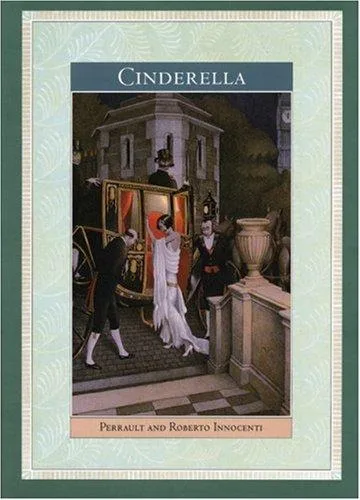
Cendrillon

 81
81

Cendrillon
Perrault's "Cendrillon" offers a starkly elegant rendition of a familiar story. The narrative's strength lies in its sharp, almost clinical portrayal of social dynamics and the stark contrast between genuine virtue and the cruelty of a stepfamily. The pacing is deliberate, focusing on the pivotal moments of Cinderella's transformation and her subsequent encounters. A limitation, however, is the relative lack of internal development for Cinderella herself; her agency often feels secondary to the magical intervention. The scene where the Prince, smitten, offers to marry Cinderella upon finding the slipper, despite knowing little of her beyond her appearance at the ball, highlights the tale's focus on external validation rather than deep personal connection. It remains a foundational text, less an exploration of character than a fable of destiny.
📝 Description
81
Charles Perrault's 1697 tale "Cendrillon" presents a moralized version of a classic folk narrative.
Published in 1697 within *Histoires ou contes du temps passé*, Charles Perrault's "Cendrillon" retells the familiar story of a mistreated young woman. With the help of a magical benefactor, she attends a royal ball, captivates the prince, and escapes her former life. The tale emphasizes the rewards of virtue and the transformative power of opportune intervention.
Perrault's version, intended for aristocratic audiences of the French *Grand Siècle*, refines earlier folk traditions. It adds moralizing undertones and a more polished narrative structure, distinguishing it from cruder, older versions. The story reflects the social dynamics and marriage expectations prevalent in 17th-century France. It also touches on themes of hidden potential and the contrast between inner worth and outward appearance.
The narrative's enduring appeal stems from its archetypal structure and its exploration of themes like identity, transformation, and virtue. These elements have shaped the fairy tale genre and continue to resonate in literature and popular culture.
While not explicitly esoteric, Perrault's "Cendrillon" engages with themes that resonate with occult traditions. The fairy godmother acts as an archetypal initiator, bestowing magical aid that facilitates a profound personal transformation. This mirrors concepts found in various mystical paths where external guidance or spiritual intervention unlocks hidden potential and leads to a new state of being. The narrative's focus on inner worth triumphing over adverse circumstances also aligns with spiritual philosophies that posit a divine spark or inherent goodness within individuals, often obscured by worldly conditions.
💡 Why Read This Book?
• Understand the archetypal structure of the "Cinderella" narrative as presented in Perrault's 1697 version, recognizing how its specific elements like the fairy godmother and the glass slipper have become ingrained in Western storytelling. • Analyze the societal commentary embedded within the tale, particularly regarding marriage as a means of social ascent for women in 17th-century France and the emphasis on outward appearance. • Explore the symbolic significance of key motifs such as the pumpkin carriage and the lost slipper, examining their role in facilitating Cinderella's transformation and recognition by the Prince.
⭐ Reader Reviews
Honest opinions from readers who have explored this book.
❓ Frequently Asked Questions
When was Charles Perrault's Cendrillon first published?
Charles Perrault's "Cendrillon" was first published in 1697 as part of his collection "Histoires ou contes du temps passé, avec des moralités".
What is the original French title for Cinderella?
The original French title for Cinderella in Perrault's work is "Cendrillon", which translates to "Cinder-Ella" or "Ash-Ella".
What are the key differences between Perrault's Cinderella and other versions?
Perrault's version is notable for introducing the fairy godmother, the pumpkin carriage, and the glass slipper, elements not present in earlier folk versions and which significantly shaped the modern fairy tale.
What moral lesson does Perrault's Cendrillon convey?
Perrault's tale emphasizes that virtue and good breeding, even when unrecognized, can ultimately lead to good fortune and social advancement, often through marriage.
Is Cendrillon considered an esoteric text?
While "Cendrillon" is primarily a fairy tale, its archetypal themes, symbolic richness, and enduring psychological appeal have led to its interpretation within esoteric and Jungian analytical circles.
What was the historical context of Cendrillon's publication?
Published in 1697, "Cendrillon" emerged during France's "Grand Siècle," a period of literary refinement where fairy tales were adapted for aristocratic salons and often imbued with social commentary.
🔮 Key Themes & Symbolism
Social Transformation and Marriage
The narrative fundamentally explores how marriage served as a primary vehicle for social mobility for women in 17th-century France. Cendrillon's transformation, facilitated by magic, allows her to ascend from servitude to royalty. The story highlights the societal emphasis on advantageous unions, where outward appearance and presentation, aided by the fairy godmother's intervention, play a central role in securing a favorable outcome, reflecting the era's hierarchical structures.
The Power of Magical Intervention
The fairy godmother represents a potent force of benevolent intervention, enabling the protagonist's ascent. This motif speaks to the idea of fate or destiny being actively shaped by external aid when internal conditions (virtue, patience) are met. The magical elements—the gown, slippers, and carriage—are not merely whimsical additions but symbolic tools that facilitate Cendrillon's transition and reveal her hidden worth to the Prince.
Archetypal Innocence and Cruelty
Cendrillon embodies archetypal innocence, suffering, and eventual reward, contrasted sharply with the cruelty and envy of her stepmother and stepsisters. This stark dichotomy serves a moral purpose, suggesting that inner goodness will ultimately prevail over malice and social artifice. The narrative relies on these clear character archetypes to convey its message about virtue and consequence.
Symbolism of the Lost Slipper
The glass slipper is a potent symbol of identity and unique destiny. Its fragility contrasts with its power to identify Cendrillon uniquely among all other women. The fact that it fits only her signifies a predestined connection with the Prince, transcending mere physical attraction and pointing towards a fated union, a common trope in folklore.
💬 Memorable Quotes
Direct passages from the work, attributed to the author.
“It is by her good grace that she was heard.”
— This phrase from the 1697 text underscores the narrative's emphasis on divine or magical favor as essential for Cendrillon's fortune, suggesting that her own inherent goodness is recognized and rewarded by external forces.
“She was the most beautiful creature ever seen.”
— This description highlights the visual and aesthetic criteria valued in the context of the royal court and marriage prospects during Perrault's era, where physical beauty was a significant factor in social advancement.
“The prince was charmed by her.”
— This captures the immediate impact of Cendrillon's appearance at the ball, emphasizing the power of presentation and enchantment within the social theater of the court, leading directly to the central romantic conflict.
“The stepmother and her daughters tried to deceive the prince.”
— This points to the theme of deception and artifice prevalent in the story, contrasting with Cendrillon's inherent truthfulness and highlighting the moral conflict at the story's core.
“One has only to be willing to work.”
— While not a direct quote from Perrault's original 1697 text, this interpretation reflects the underlying moral frequently drawn from the tale: that diligent effort and virtue, combined with opportune circumstances, lead to success.
🌙 Esoteric Significance
Tradition
While "Cendrillon" is primarily a folk tale, its enduring archetypal narrative has been adopted and interpreted within esoteric traditions, particularly Jungian psychology and modern archetypal studies. It speaks to themes of individuation, the shadow self (represented by the stepfamily), and the emergence of the true self (Cendrillon) through transformative trials, aligning with psychological approaches to spiritual development.
Symbolism
The glass slipper is a key symbol, representing both fragility and unique identity; its perfect fit signifies destiny and the recognition of the soul's true essence. The hearth, where Cendrillon spends her time, symbolizes her connection to the domestic realm and her hidden, unacknowledged potential, while the ball represents the area of social manifestation and romantic destiny.
Modern Relevance
Contemporary thinkers and practitioners in fields like depth psychology and narrative therapy continue to explore "Cendrillon" for its potent archetypal imagery. Its depiction of overcoming adversity through inner virtue and external aid offers a framework for understanding personal transformation and the journey towards self-realization in modern contexts.
👥 Who Should Read This Book
• Students of folklore and comparative mythology interested in the evolution of the "Cinderella" archetype and its variations across cultures and historical periods. • Literary scholars examining 17th-century French literature and the development of the fairy tale genre as a form of social commentary and entertainment. • Individuals exploring Jungian psychology and archetypal symbolism, seeking to understand the narrative's representation of the individuation process and the emergence of the authentic self.
📜 Historical Context
Charles Perrault's "Cendrillon" debuted in 1697 within his collection *Histoires ou contes du temps passé*. This period, the reign of Louis XIV, was marked by a sophisticated literary culture where fairy tales, or *contes de fées*, were gaining popularity in aristocratic salons. Unlike earlier, cruder folk traditions, Perrault refined these stories, adding moral lessons and elegant prose suitable for his audience. His work appeared alongside that of Madame d'Aulnoy, another prominent collector and author of fairy tales, creating a small literary movement. Perrault's version notably introduced iconic elements like the fairy godmother and the glass slipper, distinguishing it significantly from the story's ancient roots, such as the Greek tale of Rhodopis. The tales were generally well-received, though their moralizing tone sometimes drew critique for being too didactic or, conversely, too frivolous for serious literary consideration.
📔 Journal Prompts
The fairy godmother's intervention: how external aid complements internal readiness.
Cendrillon's patience and virtue amidst hardship.
The symbolic meaning of the glass slipper's unique fit.
The contrast between Cendrillon's true self and her imposed identity.
The role of the ball in revealing hidden potential.
🗂️ Glossary
Fairy Godmother
A benevolent magical being who aids the protagonist, Cendrillon, providing her with the means (dress, carriage, slippers) to attend the royal ball and meet the Prince.
Glass Slipper
A delicate shoe made of glass, left behind by Cendrillon at the ball, which becomes the key object used by the Prince to identify her.
Archetype
A recurring symbol or motif in literature and mythology that represents universal patterns of human nature or experience, such as the suffering hero or the magical helper.
Hearth
The fireplace area in a home, often associated with domesticity and servitude in the context of Cendrillon's life before her transformation.
Moralité
A moral lesson or ethical teaching, often explicitly stated or implied within a narrative, as was common in Perrault's fairy tales.
Grand Siècle
The 'Great Century' of French history, referring primarily to the 17th century, particularly the period of Louis XIV's reign, known for its cultural and artistic achievements.
Contes de fées
French for 'fairy tales,' a genre popularized in the salons of 17th-century France, often featuring magic, royalty, and moral lessons.
🔮 Readers Also Liked
Browse all →









More by Charles Perrault
All books →




More Free Magic & Ritual Books
View all →