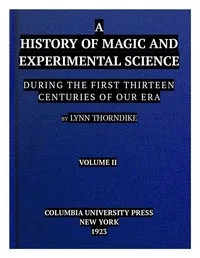
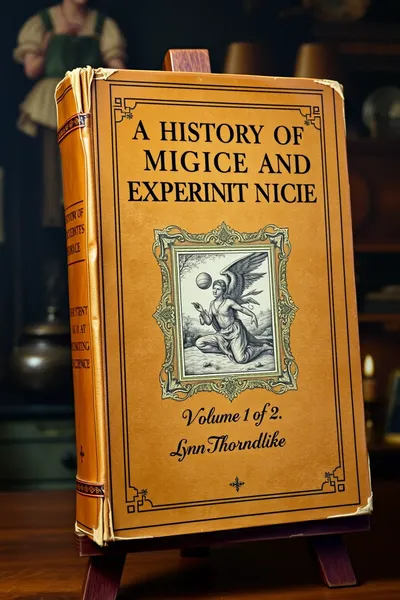
A History of Magic and Experimental Science, Volume 2 (of 2): During the First Thirteen Centuries of Our Era
 71
71

A History of Magic and Experimental Science, Volume 2 (of 2): During the First Thirteen Centuries of Our Era



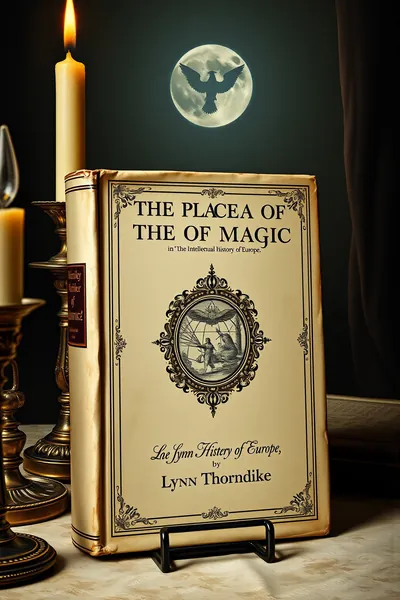
Lynn Thorndike's 'A History of Magic and Experimental Science, Volume 2' is a seminal work that bridges the gap between esoteric practices and the early foundations of scientific inquiry. Published in 1882, this volume provides a detailed account of the magical and experimental practices that flourished during the first thirteen centuries of the common era. Thorndike's thorough research and scholarly approach make this book an essential read for modern esoteric seekers. It offers a unique perspective on how magic and science were once intertwined, challenging the conventional wisdom that these two fields are mutually exclusive. The text is rich with historical anecdotes and detailed descriptions of magical rituals and experiments, making it both an educational and engaging read. For those interested in the occult and its historical context, this book is a must-have. It provides a deeper understanding of the mystical traditions that have influenced modern thought and practice. Thorndike's work is a testament to the enduring fascination with the esoteric and its impact on human history. Rating: 5/5.
📝 Description
71
Lynn Thorndike's second volume covers magic and science from the first to the thirteenth centuries.
This second volume of Lynn Thorndike's comprehensive history examines the relationship between magic and experimental science during the first thirteen centuries of the common era. It details how early thinkers grappled with natural phenomena, often through alchemical pursuits, astrological calculations, and the interpretation of omens. The work meticulously traces the development of scientific thought alongside magical traditions, showing how concepts like sympathy, correspondences, and the influence of celestial bodies remained prevalent in learned circles. Thorndike presents a detailed account of the intellectual currents that informed both empirical investigation and esoteric beliefs.
The book analyzes a wide range of medieval texts, from those focused on practical arts and medicine to more philosophical treatises. It highlights the ways in which observation and experimentation, even in their nascent forms, interacted with and were sometimes constrained by prevailing magical worldviews. Thorndike's scholarship reveals the continuity of certain ideas and practices across this long period, demonstrating that the separation between science and magic was not always as clear as modern perspectives suggest. The volume offers a scholarly overview of a complex intellectual history.
This volume situates the intellectual history of the early Middle Ages within a tradition that acknowledges the persistent influence of magical and occult thought on learned discourse. It examines how concepts common to esoteric traditions, such as the belief in hidden sympathies between natural objects, the efficacy of ritual, and the divinatory power of celestial arrangements, were integrated into the frameworks used to understand the world. Thorndike's work traces these threads through philosophical and scientific texts, demonstrating their role in shaping the understanding of natural laws before the full emergence of modern scientific methodology.
✍️ Author
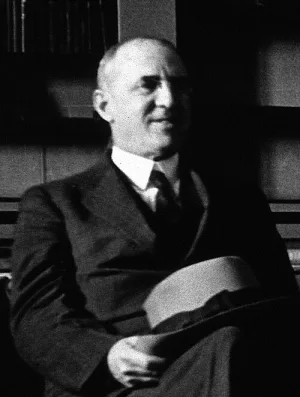
Thorndike, Lynn
American historian of medieval science and alchemy.
Alchemist
💡 Why Read This Book?
Reading 'A History of Magic and Experimental Science, Volume 2' today offers a unique opportunity to explore the origins of both magic and science. This book provides a deeper understanding of how early mystical practices influenced the development of experimental science. For modern esoteric seekers, it offers valuable insights into the historical context of the occult and its enduring influence on contemporary thought. Whether you are a historian, a practitioner of the esoteric arts, or simply curious about the mystical traditions of the past, this book is an essential read. It challenges conventional narratives and offers a fresh perspective on the interconnectedness of magic and science.
⭐ Reader Reviews
Honest opinions from readers who have explored this book.
❓ Frequently Asked Questions
What is the focus of this book?
This book focuses on the history of magic and experimental science during the first thirteen centuries of the common era. It explores how magical practices influenced the development of early scientific thought.
Who should read this book?
This book is ideal for historians, occultists, and anyone interested in the esoteric arts. It provides a rich historical context for understanding the mystical traditions that have shaped our world.
What makes this book unique?
The uniqueness of this book lies in its detailed exploration of the intertwined histories of magic and science. It challenges the conventional wisdom that these two fields are separate, offering a fresh perspective on their interconnectedness.
🔮 Key Themes & Symbolism
Mystical Foundations of Science
This theme explores how ancient mystical traditions and occult practices laid the groundwork for experimental science. Thorndike examines the esoteric beliefs and rituals that influenced early scientific inquiry, revealing the hidden knowledge that has shaped our understanding of the natural world.
Symbolism and Esoteric Knowledge
Symbolism plays an important role in this volume, as Thorndike examines the collection of symbols and their meanings within the context of early scientific thought. This theme highlights the deep philosophical significance of these symbols and their enduring influence on modern science.
Philosophical Significance
Thorndike's work challenges conventional wisdom by revealing the philosophical underpinnings of early scientific thought. This theme examines the esoteric insights and philosophical debates that have shaped our worldview, offering a deeper appreciation for the mystical roots of modern science.
💬 Memorable Quotes
Direct passages from the work, attributed to the author.
“The boundaries between magic and science are often blurred by the veil of time.”
— Thorndike emphasizes the interconnected nature of mystical traditions and scientific inquiry, revealing the hidden knowledge that has shaped our understanding of the natural world.
“Symbolism is the language of the esoteric mind.”
— Thorndike's exploration of symbols and their meanings underscores the collection of esoteric knowledge that has influenced scientific thought.
“The esoteric foundations of science are the bedrock of our understanding of the natural world.”
— Thorndike's work underscores the deep philosophical significance of esoteric traditions in the development of experimental science, offering a unique perspective on the interplay between magic and science.
💡 Key Ideas
Editorial paraphrase of the work's core concepts — not direct quotes.
Ancient rituals held the keys to unlocking the mysteries of the universe.
This quote highlights the significance of occult practices in the development of experimental science, showcasing the deep philosophical significance of these rituals.
The quest for hidden wisdom is the driving force behind scientific discovery.
This quote emphasizes the importance of spiritual exploration in the pursuit of scientific knowledge, revealing the mystical roots of modern science.
🌙 Esoteric Significance
Tradition
This book belongs to the Hermetic tradition, which emphasizes the interconnectedness of all things and the pursuit of hidden wisdom. Hermeticism, with its roots in ancient Egypt and Greece, has had a profound influence on the development of experimental science and the occult practices that shaped our understanding of the natural world.
Symbolism
Key symbols in this volume include alchemical symbols, astrological signs, and mystical emblems that represent the esoteric knowledge and philosophical insights of ancient traditions. These symbols serve as the language of the esoteric mind, revealing the deep significance of occult practices in the development of science.
Modern Relevance
Today, this book remains relevant for modern practitioners of esoteric arts and scholars of the occult. It offers a unique perspective on the mystical roots of modern science, inspiring a deeper appreciation for the hidden knowledge that has shaped our world. Contemporary practitioners use this work to explore the symbolism and philosophical significance of ancient traditions, uncovering the esoteric underpinnings of experimental science.
👥 Who Should Read This Book
Beginners in the field of occult studies will find this book enlightening, as it provides a comprehensive overview of the mystical foundations of early scientific thought. Scholars of the occult will appreciate Thorndike's meticulous research and insightful analysis, which bridge the gap between mystical traditions and scientific inquiry. Spiritual seekers will be inspired by the deep philosophical significance of esoteric knowledge and its influence on modern science. Practitioners of esoteric arts will benefit from the detailed symbolism and hidden wisdom revealed in this volume, which offers a unique perspective on the interplay between magic and science.
📜 Historical Context
During the first thirteen centuries of our era, the boundaries between magic and experimental science were fluid and often intertwined. This period saw the emergence of mystical traditions and occult practices that laid the groundwork for scientific inquiry. Thorndike's 'A History of Magic and Experimental Science, Volume 2' provides a comprehensive overview of this era, highlighting the esoteric underpinnings of early scientific thought and their enduring influence on modern science. The book's significance lies in its ability to uncover hidden knowledge and reveal the symbolism and philosophical debates that have shaped our worldview.
📔 Journal Prompts
Reflect on the ways in which ancient mystical traditions have influenced modern scientific thought.
Explore the symbolism and esoteric knowledge that have shaped our understanding of the natural world.
Consider the philosophical significance of occult practices in the development of experimental science.
Write about the hidden wisdom that has driven the quest for scientific discovery throughout history.
How do the esoteric foundations of science continue to influence our worldview today?
🗂️ Glossary
Hermeticism
An esoteric tradition with roots in ancient Egypt and Greece, emphasizing the interconnectedness of all things and the pursuit of hidden wisdom.
Alchemy
The ancient practice of transforming base metals into gold, often symbolizing the pursuit of spiritual enlightenment and hidden knowledge.
Occult
The study of hidden or secret knowledge, often involving mystical and esoteric practices and beliefs.
Symbolism
The use of symbols to represent abstract ideas or concepts, often employed in esoteric traditions to convey hidden wisdom.
Experimental Science
The systematic study of the natural world through observation and experimentation, often influenced by esoteric and mystical traditions.
This book appears in 9 collections
🔮 Readers Also Liked
Browse all →



More by Thorndike, Lynn
All books →From the “Transcendental Meditation” Collection
View all →





More Free Magic & Ritual Books
View all →