Oliver G History Of The Masonic Persecutions In Different Quarters Of The Globe 1867

 71
71

Oliver G History Of The Masonic Persecutions In Different Quarters Of The Globe 1867

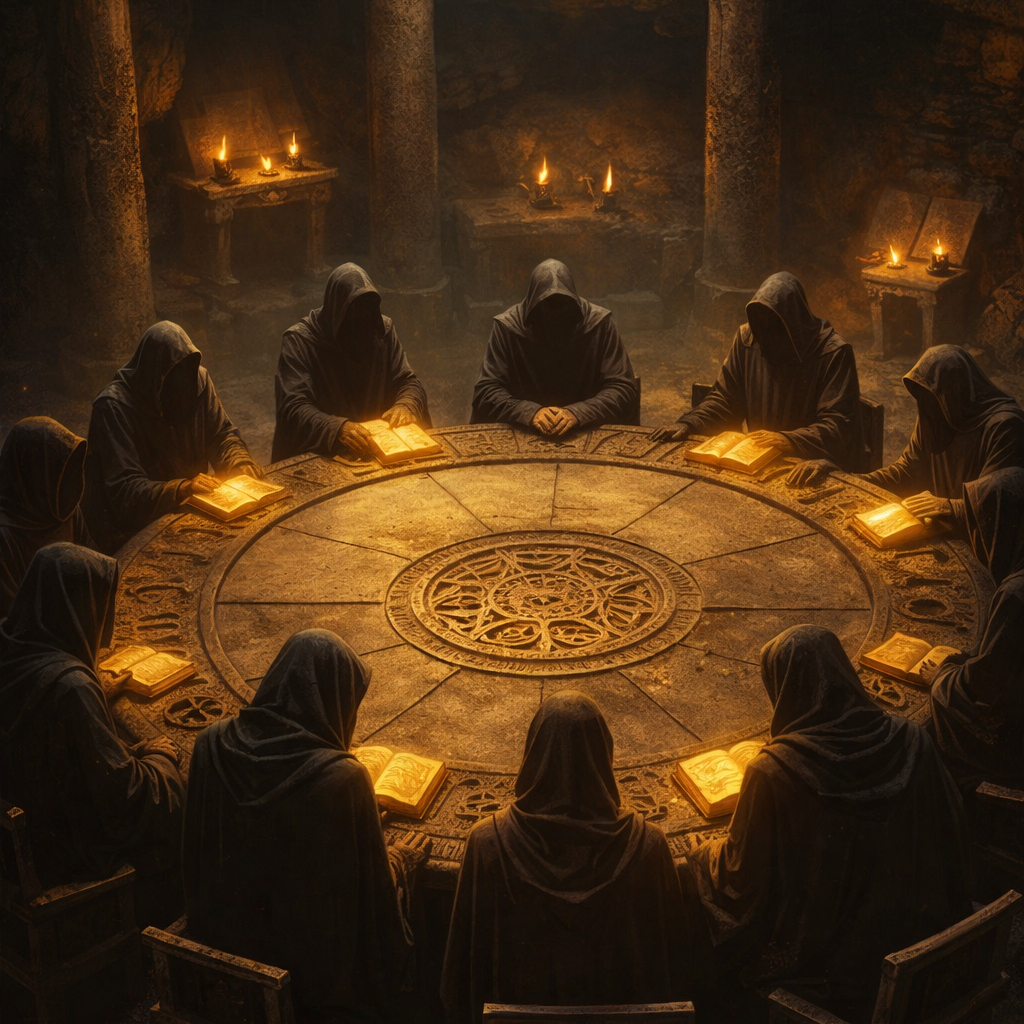

Sophia Crane (Associate Editor) — 'Oliver G.'s' meticulously researched 'History of the Masonic Persecutions' is an indispensable compendium for anyone fascinated by the esoteric undercurrents of Freemasonry. This 1867 volume courageously excavates suppressed narratives, revealing the historical antagonism faced by Masonic brethren. It offers profound insights into the societal fears that fueled these persecutions, often stemming from a misinterpretation of Masonic symbolism and aims. The work is invaluable for scholars of secret societies and practitioners seeking a deeper understanding of the historical context and challenges their traditions have faced. Its comprehensive scope makes it a foundational text for serious study.
📝 Description
71
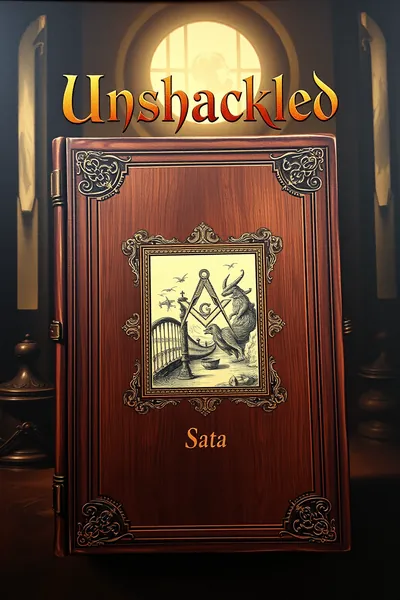
Published in 1867, Oliver G's History of the Masonic Persecutions details global conflicts against Freemasonry.
This 1867 volume, by an author identified only as 'Oliver G.', chronicles historical instances where Freemasonry faced opposition worldwide. It moves beyond simple accounts of events to examine the underlying narratives of secrecy, ritual, and symbolism that fueled public apprehension. The author describes how ignorance and fear generated conflict against groups bound by fraternal ties and a pursuit of esoteric understanding.
The narrative spans various historical periods and geographical locations, illustrating the shifting tides of persecution. It highlights the tension between those who embraced shared knowledge and those who resisted it. The book creates a sense of uncovering hidden truths, inviting both dedicated students and interested researchers into a complex historical investigation. The author also considers the nature of concealed knowledge, the impact of communal belief systems, and the ongoing human tendency to confront or reject the unfamiliar.
Published in the mid-19th century, this work engages with a period of intense interest in secret societies and their perceived influence. It addresses themes common in esoteric literature of the time, such as hidden meanings within rituals and symbols, and the idea of a persecuted enlightened minority. The book reflects a broader concern with the suppression of arcane traditions and the preservation of what was considered ancient wisdom, placing it within the context of 19th-century occult and fraternal studies.
💡 Why Read This Book?
This book is a vital read for seekers of hidden histories and scholars of esoteric traditions. It illuminates the often-suppressed narrative of Freemasonry, revealing the societal forces and fears that have historically targeted its practitioners. Ideal for those who appreciate deep dives into the interplay between secret societies and mainstream culture, and for anyone interested in the enduring power of hidden knowledge. Prepare for a journey through centuries of intrigue and resilience.
⭐ Reader Reviews
Honest opinions from readers who have explored this book.
❓ Frequently Asked Questions
Who is the author 'Oliver G.'?
The author is identified only as 'Oliver G.', contributing to the book's mystique and the perception of hidden knowledge. This anonymity suggests a deliberate choice to focus on the subject matter rather than personal recognition, common in certain esoteric circles.
What historical periods does the book cover?
The book spans several centuries, detailing persecutions against Freemasons from their early emergence through to the mid-19th century, examining events across various global regions.
What types of persecutions are documented?
It documents a range of persecutions, including legal bans, public condemnations, physical violence, and the suppression of Masonic lodges and activities driven by religious, political, and societal opposition.
Is this book suitable for beginners in esoteric studies?
While dense with historical detail, the book offers a foundational understanding of the external pressures faced by esoteric groups, making it a valuable, albeit challenging, starting point for curious beginners.
Does the book offer insights into Masonic symbolism?
Yes, the book implicitly discusses Masonic symbolism by examining the interpretations and misinterpretations that often led to persecution, providing context for its hidden meanings.
🔮 Key Themes & Symbolism
The Shadow of Secrecy
This theme looks at how the inherent secrecy of Masonic practices, intended for the protection of its members and their esoteric knowledge, paradoxically became a primary catalyst for suspicion and persecution. The book illustrates how the unknown breeds fear, and how this fear was weaponized against a fraternity dedicated to enlightenment and self-improvement. It explores the societal anxieties that manifested as a desire to root out perceived threats to established order, often fueled by misinformation and religious dogma.
Symbolism and Misinterpretation
Central to the persecutions documented is the theme of misunderstood symbolism. Masonic rituals and emblems, rich with allegorical meaning and philosophical depth, were often viewed through a lens of superstition and malice. This section explores how sacred symbols were twisted into representations of evil or sedition, leading to widespread panic and the justification of harsh measures against the Craft. It highlights the perennial challenge of conveying profound truths through symbolic language in a world often resistant to deeper understanding.
Resilience of Esoteric Traditions
Despite relentless opposition, Freemasonry, like many esoteric traditions, demonstrated remarkable resilience. This theme examines the enduring spirit of those who continued to practice their arts and philosophies in the face of adversity. It showcases the clandestine networks, the unwavering commitment to fraternal principles, and the quiet propagation of knowledge that allowed the Craft to survive and, in many cases, flourish even under oppressive regimes. It speaks to the inherent human drive for connection, wisdom, and spiritual growth.
💬 Memorable Quotes
Direct passages from the work, attributed to the author.
“Where reason slumbered, superstition held its brutal reign.”
— This highlights the recurring historical conflict between rational inquiry and fear-driven dogma. When societal or religious authorities suppressed critical thinking, unfounded beliefs about groups like Freemasons flourished, justifying their persecution.
“The symbols they bore were not mere adornments, but keys to unlock hidden areas of understanding.”
— This emphasizes the profound, hidden meaning within Masonic symbols, contrasting them with superficial interpretations. It suggests that true comprehension of these symbols leads to deeper esoteric knowledge and personal transformation.
“Though scattered by the winds of malice, the seeds of fraternity found fertile ground anew.”
— This poignant metaphor illustrates the enduring nature of Masonic bonds and principles. Despite efforts to dismantle the order, its core tenets and the spirit of brotherhood would re-emerge and find new adherents.
“The light of truth, though dimmed by persecution, was never fully extinguished.”
— This speaks to the unwavering persistence of truth and wisdom. Even when actively suppressed, the pursuit of knowledge and enlightenment, represented by 'the light,' would continue to survive and eventually reassert itself.
💡 Key Ideas
Editorial paraphrase of the work's core concepts — not direct quotes.
The veil of secrecy, intended to guard the sacred flame, often became the very cloak under which suspicion lurked.
This quote speaks to the dual nature of secrecy in esoteric orders. While necessary for protection and the preservation of knowledge, it can also attract unwanted attention and breed fear in the uninitiated, leading to persecution.
🌙 Esoteric Significance
Tradition
This text is deeply embedded within the esoteric tradition of Western esotericism, specifically focusing on the historical narrative of Freemasonry. It explores the challenges faced by a fraternity that, for centuries, has been a conduit for philosophical inquiry, moral development, and the transmission of symbolic knowledge. The book implicitly frames Masonic practices within a broader context of hidden wisdom traditions that seek to elevate the human condition through inner work and understanding of universal principles.
Symbolism
The book implicitly looks at Masonic symbolism by examining the interpretations that led to persecution. It highlights how symbols within the Craft, such as architectural tools or geometric forms, were often misconstrued as sinister or heretical by external forces. The true esoteric significance lies in understanding these symbols not as literal objects, but as allegorical representations of spiritual truths, moral virtues, and the processes of personal transformation, which the persecutors failed to grasp.
Modern Relevance
In the modern era, 'Oliver G.'s' work remains relevant for its insights into the enduring human tendency to fear and suppress what is not understood. It serves as a potent case study in the dynamics of prejudice against minority or perceived 'other' groups, particularly those operating with a degree of privacy. For practitioners and scholars of esoteric traditions, it offers a historical lens through which to understand the challenges of maintaining and transmitting hidden knowledge in a skeptical world.
👥 Who Should Read This Book
This volume is a treasure for the serious student of Freemasonry and secret societies. Scholars of religious history, political science, and cultural studies will find rich source material. Seekers of hidden knowledge and esoteric philosophies will gain a profound understanding of the external pressures that have shaped such traditions. Practitioners of esoteric arts, seeking to contextualize their path within a broader historical narrative of resilience and suppression, will find invaluable insights. Beginners curious about the historical animosity towards fraternities will find a comprehensive, albeit challenging, introduction.
📜 Historical Context
Published in 1867, Oliver G.'s work emerged during a period of significant societal change and continued fascination with secret societies. The mid-19th century saw a rise in historical scholarship, alongside a persistent undercurrent of public anxiety regarding clandestine organizations like Freemasonry. This era was marked by both the expansion of industrialization and the lingering influence of religious and political conservatism, which often viewed Freemasonry with deep suspicion. The book's detailed accounts of past persecutions reflect a historical moment where the legacy of earlier anti-Masonic movements—from the Enlightenment through the French Revolution and beyond—was being critically examined and documented, often through a lens that sought to legitimize or expose the Craft's place in history.
📔 Journal Prompts
Reflect on a time you or someone you know has been misunderstood or judged based on assumptions. How did it feel, and what was the impact?
Consider the role of secrecy in modern society. When is it necessary, and when can it be detrimental?
What symbols in your life hold deeper meaning beyond their surface appearance? Explore their personal significance.
How might fear of the unknown influence collective actions and societal attitudes towards groups perceived as different?
Imagine you are a chronicler in a time of persecution. What methods would you use to preserve and transmit suppressed knowledge?
🗂️ Glossary
Craft
A term often used by Freemasons to refer to their fraternity, emphasizing the skilled labor and art involved in building both physical structures and moral character.
Esoteric
Relating to or being knowledge or a practice that is restricted to a small group of initiated people, often involving inner spiritual understanding and symbolic interpretation.
Fraternity
A group of people sharing a common profession, interest, or bond; in this context, specifically referring to a brotherhood such as the Masonic order.
Allegory
A story, poem, or picture that can be interpreted to reveal a hidden meaning, typically a moral or political one. Masonic symbolism often relies heavily on allegorical narratives.
Dogma
A principle or set of principles laid down by an authority as incontrovertibly true. In the context of persecutions, dogma often fueled opposition to Masonic ideals.
This book appears in 2 collections
🔮 Readers Also Liked
Browse all →






From the “Secret Societies” Collection
View all →




More Free Freemasonry & Secret Societies Books
View all →