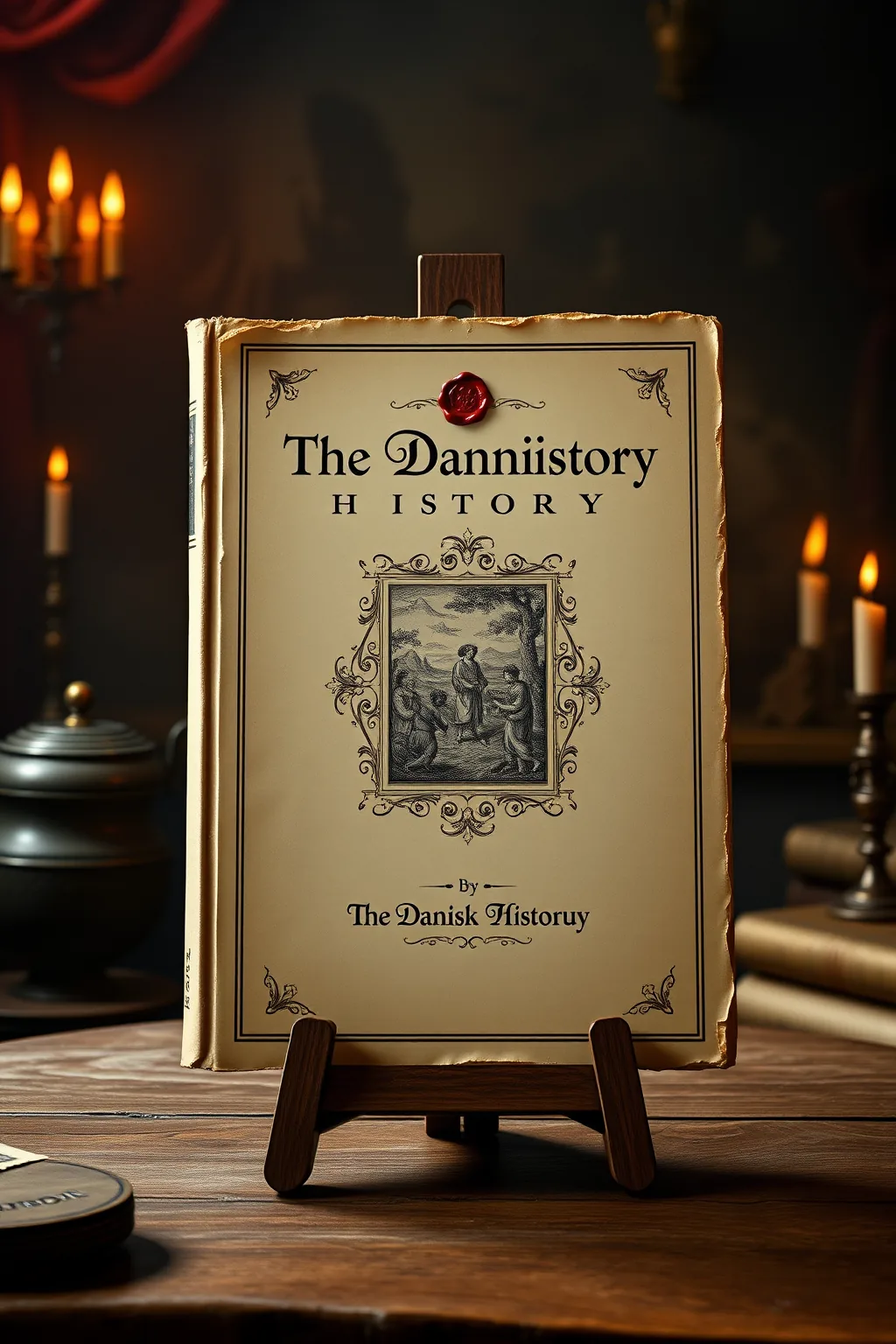
The Danish History
 74
74

The Danish History


Isolde Whitaker, Sacred Texts Editor: Saxo Grammaticus's 'The Danish History' is an indispensable text for any serious student of esoteric origins. It crackles with the raw energy of Norse myth, presenting a rich, unvarnished view of early Scandinavian cosmology and kingship rituals. Beyond its historical value, the text offers profound insights into the archetypal patterns of leadership, deception, and divine intervention. Its strength lies in its preservation of oral traditions, granting access to tales and beliefs that would otherwise be lost to the mists of time. This volume is a treasure for scholars of comparative mythology, occult practitioners seeking ancient wisdom, and anyone drawn to the potent magic embedded in the very foundations of Western civilization.
📝 Description
74
Saxo Grammaticus wrote 'The Danish History' around 1200 AD.
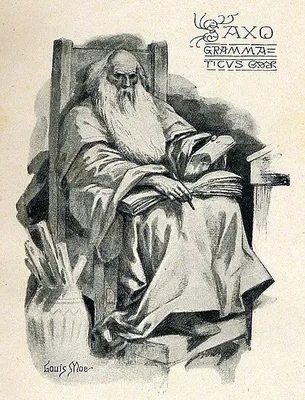
Saxo Grammaticus, a cleric educated in Paris, compiled 'The Danish History' near the turn of the 13th century. This vast work recounts Danish legends and history from mythical origins up to his own time. He drew upon oral traditions, older written sources, and his own interpretations to create a complex narrative.
The book details the founding myths of Denmark, including the stories of Dan and Angul. It also recounts the lives and deeds of numerous kings and heroes, such as the tale of Amleth, the inspiration for Shakespeare's Hamlet. Saxo's account presents a worldview where divine intervention and heroic action are central to the nation's destiny. The text is notable for its inclusion of pagan beliefs and practices alongside Christian perspectives, reflecting the cultural shifts of the era.
Saxo Grammaticus's work is situated within a period of intense intellectual and spiritual transition. While written from a clerical perspective, it preserves pre-Christian beliefs, magical practices, and a cosmology that was fading from common knowledge. The inclusion of sagas, genealogies tied to mythical figures, and accounts of supernatural events offers a window into a worldview where the sacred and the mundane were deeply intertwined. This preservation of older lore, even within a Christian framework, makes it a valuable resource for understanding the esoteric undercurrents of medieval European thought and the transmission of ancient traditions.
✍️ Author
💡 Why Read This Book?
Uncover the primal myths that shaped Northern Europe. Explore the origins of legendary figures and ancient cosmologies. 'The Danish History' offers a unique lens into early medieval power structures and the mystical beliefs that underpinned them. Ideal for seekers of hidden knowledge, scholars of myth and folklore, and practitioners interested in ancestral spiritual traditions.
⭐ Reader Reviews
Honest opinions from readers who have explored this book.
❓ Frequently Asked Questions
What is the primary focus of Saxo Grammaticus's 'The Danish History'?
The book chronicles the epic and mythical past of Denmark, weaving together legends, sagas, and historical accounts from its earliest origins up to the late 12th century, focusing on its founding dynasties and heroic figures.
Does 'The Danish History' contain actual historical facts or is it purely mythological?
It presents a compelling blend of both. Saxo draws from Norse myths, Icelandic sagas, and oral traditions, alongside historical records, creating a narrative that is both foundational myth and early historical documentation.
What is the significance of the Amleth story within this work?
The tale of Amleth is a crucial element, offering an ancient archetype of the wise fool and the strategic avenger. It is recognized as the direct precursor to Shakespeare's Hamlet, providing a rich source for understanding themes of revenge, madness, and kingship.
What kind of esoteric themes can be found in 'The Danish History'?
The text is rich with esoteric themes, including the influence of gods and supernatural beings, the sacred nature of kingship, the power of prophecy, and the symbolic journeys of heroes deeply embedded in a pagan worldview.
Who would benefit most from reading this book?
Scholars of mythology, history, and literature, as well as spiritual seekers interested in Norse traditions, ancient European beliefs, and the archetypal narratives that shape human understanding, will find this book invaluable.
🔮 Key Themes & Symbolism
The Divine Mandate of Kingship
This theme explores the sacred lineage and divine right that Saxo attributes to Danish rulers. The narrative is permeated with instances of gods intervening in mortal affairs, bestowing power, and shaping the destinies of kings. It explores the concept of kingship not just as a political office, but as a spiritual covenant, where the ruler acts as a conduit between the mortal realm and the divine, embodying the collective will and destiny of the people.
Traces of the Primal Gods
The work serves as a vital repository for the lore of Norse deities and their influence on early Danish society. Saxo meticulously recounts the deeds of gods like Odin and Thor, not as abstract mythological figures, but as active participants in the shaping of the world and the lives of mortals. This theme highlights the pervasive presence of the divine in everyday life and the understanding of natural phenomena through a pantheistic lens, revealing a worldview where the sacred is immanent.
The Archetypal Hero's Journey
Central to 'The Danish History' are the epic sagas of legendary heroes, whose lives embody the trials, tribulations, and ultimate triumphs characteristic of the archetypal hero's journey. From the cunning Amleth to warrior kings, these figures undertake perilous quests, face formidable adversaries, and grapple with destiny. Their stories serve as profound allegories for personal transformation, the struggle against chaos, and the forging of identity, offering timeless lessons on courage, wisdom, and perseverance.
💬 Memorable Quotes
Direct passages from the work, attributed to the author.
“The earth itself remembers the gods.”
— This evocative line speaks to a deep animistic or pantheistic worldview, where the land is imbued with spiritual energy and the memory of the divine, connecting the physical and the spiritual realms.
“Wisdom is a shield against the arrows of fate.”
— This aphorism emphasizes the protective power of knowledge and discernment, suggesting that intellectual and spiritual insight can help one navigate and overcome the adversities of destiny.
💡 Key Ideas
Editorial paraphrase of the work's core concepts — not direct quotes.
For not only in the present is the past remembered, but in the future it lives.
This quote underscores the cyclical nature of time and the enduring impact of history and myth on future generations, suggesting that past events and narratives possess a living power.
A king's word is the law of the heavens.
This quote highlights the divine right of kings and the absolute authority ascribed to rulers in the ancient Scandinavian context, where their pronouncements held cosmic weight.
Truth often wears the mask of madness.
Referencing the Amleth narrative, this quote points to the idea that useful insights and genuine intentions can be obscured or revealed through unconventional means, such as feigned insanity.
🌙 Esoteric Significance
Tradition
This work is deeply rooted in the pre-Christian Indo-European spiritual traditions, particularly those of the Norse. It preserves elements of shamanism, Germanic paganism, and the complex cosmology of the Æsir and Vanir pantheon. The emphasis on fate (Wyrd), the sacredness of bloodlines, the role of runes (implied in the power of words and prophecy), and the cyclical understanding of time are all hallmarks of these ancient esoteric systems.
Symbolism
Key symbols abound, from the Yggdrasil-like connection between realms represented by dynastic lines, to the warrior archetypes embodying primal forces, and the recurring motif of the masked or seemingly foolish figure (like Amleth) who possesses hidden wisdom. The very act of chronicle is symbolic, representing the ordering of chaos through narrative, and the anchoring of the present in the potent energies of the past. Animal symbolism, prevalent in Norse lore, also carries potent archetypal meanings.
Modern Relevance
In an age seeking authentic spiritual roots and grappling with the nature of collective identity, 'The Danish History' offers a profound connection to ancestral narratives and a worldview where myth and reality are deeply intertwined. For practitioners, it provides a rich source of archetypal energies and ancient wisdom. For scholars, it is an exceptional window into the spiritual and cultural foundations of Northern Europe, revealing enduring patterns of human aspiration, power, and the search for meaning.
👥 Who Should Read This Book
For the **beginner** seeking an accessible yet profound entry into Northern European mythology, 'The Danish History' serves as an engaging narrative. **Scholars** of history, literature, and comparative mythology will find an invaluable primary source, rich with linguistic and cultural insights. **Seekers** drawn to ancestral wisdom, pagan traditions, and the archetypal forces that shape human experience will discover a deep well of inspiration. **Practitioners** of esoteric arts, particularly those focused on Norse traditions, will find potent symbolism, narrative frameworks, and a connection to ancient magical practices embedded within the text.
📜 Historical Context
Written in the late 12th and early 13th centuries, 'The Danish History' by Saxo Grammaticus emerged during a central era for Denmark and Northern Europe. This period marked the consolidation of royal power, the gradual Christianization of pagan societies, and the increasing influence of continental European culture. Saxo, a canon at Roskilde Cathedral, was educated in classical rhetoric and history, and his work reflects a desire to forge a grand, epic narrative for the Danish nation. He sought to legitimize Danish rule by tracing its lineage back to heroic and even semi-divine ancestors, skillfully blending Christian apologetics with the preservation of powerful pagan myths and sagas. His chronicle served not only as a historical record but also as a literary and political statement, shaping national identity and providing a foundation for future historical and literary endeavors.
📔 Journal Prompts
How does the concept of 'fate' as depicted in Saxo's work resonate with your own understanding of life's path?
Reflect on a time when you (or someone you know) masked true intentions or wisdom through unconventional behavior, similar to Amleth.
Consider the idea of 'sacred kingship' – what contemporary figures or societal structures embody a similar sense of divine mandate or deep responsibility?
Explore the symbolism of a specific deity or hero from the text. What archetypal qualities do they represent to you today?
Imagine you are preserving a crucial oral tradition for future generations. What elements of your own culture or spiritual practice would you prioritize?
🗂️ Glossary
Æsir
The principal pantheon of Norse gods, including Odin, Thor, and Frigg, associated with war, wisdom, and power. They represent the celestial order and cosmic forces.
Vanir
A second group of Norse deities, often associated with fertility, prosperity, and the sea, such as Freya and Freyr. They represent earthly abundance and natural cycles.
Saga
An Old Norse or Icelandic literary genre, typically recounting the history of a family or the deeds of heroes. They are characterized by their epic scope and often dramatic narratives.
Wyrd
The Anglo-Saxon and Norse concept of fate or destiny, understood as an impersonal, all-encompassing force that governs the lives of gods and mortals alike, often interwoven with choices and actions.
Runic magic
The belief that the ancient Germanic alphabet (runes) possessed inherent magical properties, used for divination, protection, and imbuing objects or actions with power, a subtle undercurrent in the text's portrayal of potent pronouncements.
This book appears in 1 collection
🔮 Readers Also Liked
Browse all →









From the “Transcendental Meditation” Collection
View all →






More Free Esoteric History & Biography Books
View all →