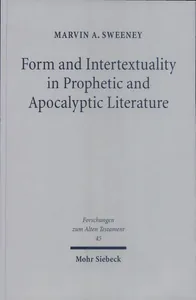
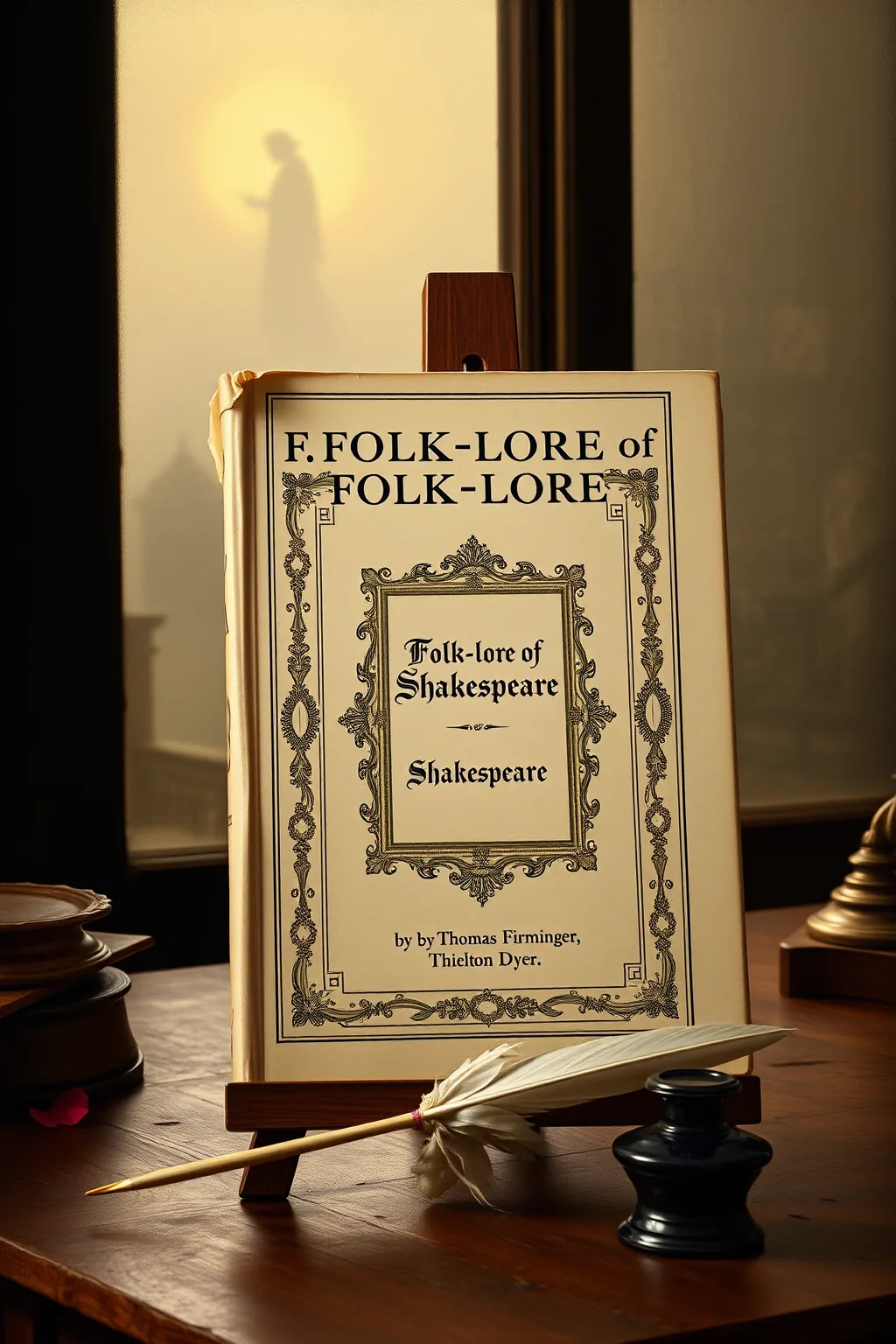
Folk-lore of Shakespeare
 82
82

Folk-lore of Shakespeare



Celeste Moreau (Divination & Symbolism Reviewer) — Thomas Firminger Thiselton Dyer's "Folk-lore of Shakespeare" is an indispensable guide to the occult undercurrents of the Bard's oeuvre. This Victorian masterpiece masterfully deciphers the symbolic language of Elizabethan popular belief, revealing how fairies, witches, and ancient omens were not mere literary devices but potent forces woven into the cultural consciousness. Dyer's erudition shines, offering profound insights into the esoteric knowledge that informed Shakespeare's dramatic visions. It is a compelling read for scholars, practitioners of folk magic, and anyone fascinated by the intersection of literature and the hidden world. A truly illuminating exploration.
📝 Description
82
Thomas Firminger Thiselton Dyer published 'Folk-lore of Shakespeare' in 1883, detailing beliefs influencing the Bard.
This 1883 volume by Thomas Firminger Thiselton Dyer examines the folk beliefs that informed William Shakespeare's plays and poetry. Dyer, a scholar of folklore, meticulously gathered details on superstitions, rural customs, and magical practices prevalent in Elizabethan England. He connects these traditions directly to Shakespeare's works, showing how common beliefs about fairies, witches, omens, and plant-lore appear in his writings. The book argues that understanding these popular traditions is key to appreciating the depth of Shakespeare's imaginative world.
Dyer's research explores the symbolic meanings embedded in everyday life and supernatural lore of the period. He illustrates how elements like ghost stories and the magic attributed to plants were not merely fantastical elements but reflected a worldview where the spiritual and physical realms were closely intertwined. The work aims to illuminate the cultural context that shaped Shakespeare's genius, revealing a connection between the Bard's art and the living folklore of his time.
Published in the late 19th century, a period of intense interest in folklore and occult studies, Dyer's work participates in the scholarly effort to document and understand pre-modern belief systems. It aligns with a broader esoteric tradition that seeks hidden meanings and ancient wisdom within cultural artifacts, viewing folklore not just as quaint tales but as expressions of deeper psychological and spiritual truths. The book situates Shakespeare's literary output within this context, suggesting his works are repositories of a shared, ancient consciousness.
✍️ Author
Thomas Firminger Thiselton Dyer
This is an incomplete list of botanists by their author abbreviation, which is designed for citation with the botanical names or works that they have published. This list follows that established by Brummitt & Powell (1992).
💡 Why Read This Book?
Unearth the mystical foundations of Shakespeare's genius. This book reveals the hidden folklore, superstitions, and occult beliefs that infused his plays with profound symbolism. It's essential for seekers of hidden knowledge, scholars of literary esotericism, and practitioners who wish to understand the ancient roots of magic and belief that resonate through timeless verse.
⭐ Reader Reviews
Honest opinions from readers who have explored this book.
❓ Frequently Asked Questions
What is the primary focus of 'Folk-lore of Shakespeare'?
The book meticulously traces the folk beliefs, superstitions, and popular customs echoed throughout Shakespeare's plays and poems, providing context for his imaginative world.
What specific topics are covered in the book?
It delves into subjects such as fairies, witches, omens, ghosts, plant-lore, and various rural customs prevalent in Elizabethan and Jacobean England.
Who was Thomas Firminger Thiselton Dyer?
He was a Victorian scholar and author known for his extensive research into folklore and its connection to literature, particularly the works of Shakespeare.
When was the book originally published?
The book was first published in 1883, offering a comprehensive Victorian perspective on the subject.
Is this book suitable for modern readers interested in esotericism?
Absolutely. It provides a rich historical and symbolic context for understanding the enduring appeal of folklore and its influence on art and culture.
🔮 Key Themes & Symbolism
The Enchanted Stage: Fairies and Spirits
This volume plunges into the ethereal realms populated by fairies, sprites, and other otherworldly beings that dance through Shakespeare's narratives. Dyer meticulously excavates the folklore surrounding these entities, revealing how they were perceived not merely as literary devices but as active forces influencing human destiny and the natural world. The book explores their roles in blessings, curses, illusions, and the very fabric of magic, offering a glimpse into a pre-modern worldview where the veil between the mundane and the mystical was thin and permeable, imbuing the plays with an undeniable aura of enchantment.
Whispers of the Unseen: Witches, Omens, and Ghosts
Look at the darker, more potent aspects of folk belief as explored in Shakespeare's works. Dyer examines the pervasive fear and fascination surrounding witches, their purported powers, and the rituals associated with them. The text also deciphers the complex language of omens and portents, those subtle signs from the cosmos believed to foretell fortune or doom. Furthermore, it investigates the spectral presence of ghosts, not just as dramatic apparitions but as manifestations of unresolved earthly ties or divine pronouncements, providing a body of the anxieties and beliefs surrounding the unknown.
The Wisdom of the Earth: Plant-Lore and Rural Customs
Beyond the supernatural, 'Folk-lore of Shakespeare' uncovers the profound connection between the Bard's characters and the earth itself. Dyer explores the rich tradition of plant-lore, where specific herbs and flowers carried symbolic meanings, medicinal properties, and even magical associations. The book also illuminates the enduring power of rural customs, harvest festivals, and agricultural rituals that shaped the lives and worldview of ordinary people. This grounding in the natural world and its cycles adds another layer of depth to Shakespeare's dramas, revealing a worldview deeply intertwined with the rhythms of nature and ancient, earth-bound wisdom.
💬 Memorable Quotes
Direct passages from the work, attributed to the author.
“Fairies were not mere children's tales, but potent beings.”
— This highlights the serious and often awe-inspiring perception of fairies in folklore, viewed as powerful entities capable of both good and ill, deeply embedded in the cultural consciousness.
“Omens were the whispers of fate.”
— This evocative phrase suggests that signs and portents were understood as direct messages from destiny, offering glimpses into future events and influencing decisions.
“The ghost carried the weight of unfinished business.”
— This interpretation speaks to the belief that spirits lingered on earth due to unresolved earthly matters, their appearances serving as a call to action or a warning.
“Every herb had its story and its secret.”
— This emphasizes the deep knowledge and symbolic significance attributed to plants in folk tradition, where their properties extended beyond the physical to the spiritual and magical.
💡 Key Ideas
Editorial paraphrase of the work's core concepts — not direct quotes.
The very air of England was thick with superstition.
This quote captures the pervasive influence of folk beliefs and the supernatural on the everyday lives and imaginations of people in Shakespeare's time, shaping their understanding of the world.
🌙 Esoteric Significance
Tradition
This work deeply engages with the tradition of Western esotericism, particularly its folk and popular manifestations. It bridges classical mythology, pre-Christian European paganism, and the emergent Christian folklore of the British Isles. The focus on fairies, witches, and nature spirits connects it to animistic beliefs and the practice of folk magic, revealing an undercurrent of occult understanding that permeated society and found fertile ground in Shakespeare's dramatic universe.
Symbolism
The book illuminates the profound symbolic language embedded within Shakespeare's works, derived from ancient folklore and esoteric traditions. Fairies represent the liminal, the transformative, and the unseen forces of nature. Witches embody primal power, forbidden knowledge, and societal anxieties. Omens and ghosts serve as conduits for divine or karmic messages, highlighting the interconnectedness of the spiritual and material realms. Plant-lore further emphasizes nature's symbolic language, where each element holds a deeper meaning related to healing, love, or protection.
Modern Relevance
In an age often perceived as secular and disenchanted, 'Folk-lore of Shakespeare' offers a vital connection to a more mystical past. It reminds us of the enduring power of myth, symbol, and the collective unconscious. For modern practitioners and seekers, it provides a rich source of inspiration for understanding the roots of spiritual practices and the archetypal forces that continue to shape human experience, demonstrating that the magic and mystery Shakespeare tapped into remain relevant and accessible.
👥 Who Should Read This Book
This invaluable tome is essential for literary scholars seeking deeper interpretive layers in Shakespeare's plays, revealing the cultural soil from which his genius sprang. Esoteric practitioners and students of folklore will find it a rich repository of historical beliefs and symbolic systems, offering insight into ancient magic and worldview. Seekers of hidden knowledge will appreciate its exploration of the unseen forces that shaped Elizabethan society. Even the casual reader with an interest in history, mythology, or the enduring power of storytelling will discover a captivating and clear journey into the mystical heart of England's greatest playwright.
📜 Historical Context
Published in 1883, 'Folk-lore of Shakespeare' is a product of the Victorian era's burgeoning interest in anthropology, folklore studies, and the romanticization of the past. This period saw a significant effort to collect and document oral traditions, superstitions, and local customs before they faded into modernity. Thomas Firminger Thiselton Dyer's work reflects this scholarly impulse, situating Shakespeare not as an isolated genius, but as a product of and participant in the rich, often mystical, cultural milieu of Elizabethan and Jacobean England. The book acts as a bridge, connecting the literary brilliance of the Bard to the everyday beliefs and practices of his contemporaries, revealing how the supernatural and the mundane were intricately interwoven in the fabric of their lives and imaginations.
📔 Journal Prompts
How do the folk beliefs described in this book resonate with contemporary superstitions or spiritual practices you observe?
Consider a Shakespearean character influenced by folklore. How does this influence shape their motivations and actions?
Reflect on the concept of 'omens' as presented. In what subtle ways do we look for signs or guidance in our own lives?
If fairies were real and influential in your world, how might society be different?
Explore a plant or natural element mentioned in the book and research its traditional folklore and perceived magical properties.
🗂️ Glossary
Folk Belief
Traditional beliefs, customs, and superstitions passed down through generations within a community, often orally, shaping their understanding of the world and its phenomena.
Superstition
A belief or practice resulting from ignorance, fear of the unknown, trust in magic or chance, or a false conception of causation, often involving arbitrary actions to ward off evil or bring good luck.
Omens
Events or signs believed to foretell future occurrences, often interpreted as messages from the divine or supernatural realm, influencing human decisions and actions.
Plant-lore
The body of folklore, mythology, and traditional beliefs associated with plants, including their perceived medicinal properties, symbolic meanings, and magical uses.
Esotericism
A broad category of mystical or occult traditions, beliefs, and practices, often characterized by a focus on hidden knowledge, spiritual transformation, and esoteric symbolism.
This book appears in 4 collections
🔮 Readers Also Liked
Browse all →









From the “Transcendental Meditation” Collection
View all →

![CIA Reading Room cia-rdp84-00022r000200150084-5: ORIENTATION COURSE LECTURE ON 'SERVICES OF [ ] [ ]'](/img/thumb/cia-reading-room-cia-rdp84-00022r000200150084-5-orientation-course-lecture-on-services-of-cia-reading-room.webp)



More Free Esoteric History & Biography Books
View all →