The tarot murders
 73
73

The tarot murders



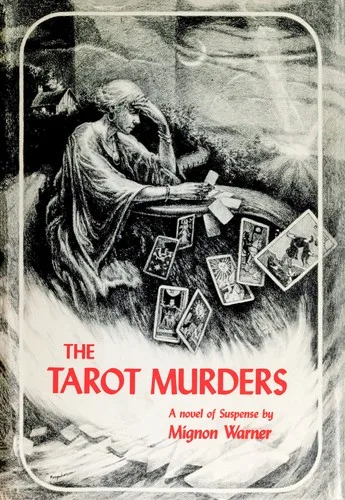
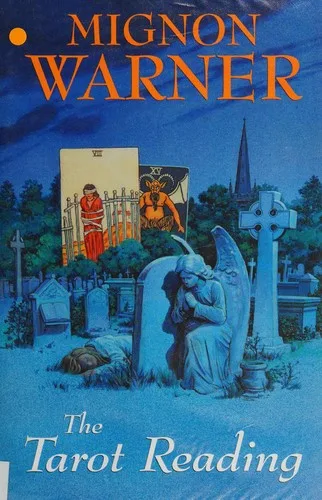
Mignon Warner’s _The Tarot Murders_ attempts a unique synthesis of detective fiction and esoteric symbolism, centering its plot on the visual language of the Rider-Waite-Smith tarot. The premise is intriguing: a series of crimes mirroring tarot card interpretations. This approach offers a fresh angle on the genre, moving beyond standard forensic procedures to explore a more archetypal form of causality. The integration of cards like The Fool or The Death card into the narrative structure is handled with a certain flair, providing moments of genuine suspense.
However, the execution sometimes falters. While the symbolism is central, the character development can feel secondary to the plot mechanics. The detectives, while functional, occasionally lack the depth needed to fully ground the more fantastical elements of the story. A particular strength lies in the early chapters where the connection between the tarot spreads and the initial crimes is established, creating a palpable sense of dread and mystery. Yet, as the narrative progresses, the reliance on the tarot as a direct plot device can occasionally feel overdetermined, lessening the impact of suspense. The book's verdict lies in its ambitious concept; it succeeds in providing an esoteric puzzle box, even if the human drama within feels somewhat less developed.
📝 Description
73
### What It Is
_The Tarot Murders_ by Mignon Warner presents a fictional exploration where the Rider-Waite-Smith tarot deck becomes intrinsically linked to a series of mysterious deaths. The narrative unfolds through a detective lens, but one heavily influenced by esoteric symbolism and the archetypal imagery of the cards. It's not a direct guide to tarot reading, but rather a story that uses the tarot's visual language to construct its plot and character motivations. The book was first published in 2017, positioning it within contemporary mystery fiction that incorporates supernatural or occult elements.
### Who It's For
This book is intended for readers who enjoy mystery novels with a distinct esoteric or occult flavoring. Those familiar with the Rider-Waite-Smith tarot imagery will find an added layer of recognition and engagement, as the deck's cards are central to the unfolding events. It will appeal to individuals interested in how symbolic systems can be integrated into narrative structures, particularly when those systems are drawn from Western esoteric traditions. It is also suitable for amateur detectives who appreciate a puzzle that goes beyond conventional criminal profiling.
### Historical Context
While published in 2017, _The Tarot Murders_ draws on a long tradition of occult fiction that emerged prominently in the late 19th and early 20th centuries, influenced by figures like Arthur Machen and Aleister Crowley. These authors often explored how hidden knowledge and symbolic systems could manifest in the mundane world, sometimes with sinister consequences. Warner’s work can be seen as a modern iteration of this theme, updating it for a contemporary audience. The narrative's reliance on the Rider-Waite-Smith deck, first published in 1909, places it within a specific lineage of widely disseminated tarot imagery that has permeated popular culture and esoteric study.
### Key Concepts
The core concept is the literalization of tarot archetypes within a crime narrative. Each death or significant plot point is seemingly dictated or foreshadowed by a specific tarot card, such as The Tower for destruction or The Hanged Man for sacrifice. The book explores how these archetypal energies, when interpreted through the lens of the tarot, can influence human actions and destinies. It delves into the idea of fate versus free will, suggesting that the patterns of the cards may represent underlying forces that individuals, intentionally or not, enact in their lives. The narrative questions whether these occurrences are mere coincidence, preordained destiny, or the result of someone actively manipulating these symbolic forces.
💡 Why Read This Book?
• Gain a novel perspective on how tarot symbolism can be woven into a compelling mystery plot, moving beyond simple divination to explore narrative causality, as seen in the character's direct engagement with the 1909 Rider-Waite-Smith deck. • Experience how archetypal imagery, specifically from the 78-card tarot, can be used to structure a fictional narrative, offering a unique way to understand themes of fate and human action. • Discover a contemporary take on occult fiction that draws from early 20th-century traditions, providing a fresh lens through which to view the intersection of the mundane and the symbolic in modern storytelling.
why_read
⭐ Reader Reviews
Honest opinions from readers who have explored this book.
❓ Frequently Asked Questions
Is 'The Tarot Murders' a guide to reading tarot cards?
No, 'The Tarot Murders' is a fictional mystery novel. While it prominently features the Rider-Waite-Smith tarot deck and its imagery, it uses the cards as a plot device rather than as instructional material for divination.
What is the significance of the Rider-Waite-Smith deck in the book?
The Rider-Waite-Smith deck, first published in 1909, is central to the plot. The murders and key events in the story are directly linked to the interpretations and archetypal meanings of its cards.
What genre does 'The Tarot Murders' fall into?
The book blends elements of mystery and detective fiction with the occult and esoteric genres. It's a crime novel where symbolism and archetypal forces play a significant role.
Who is Mignon Warner?
Mignon Warner is the author of 'The Tarot Murders,' first published in 2017. Information about her other works or background is limited, suggesting this may be a notable standalone or early publication.
Does the book require prior knowledge of tarot to enjoy?
While prior knowledge of the Rider-Waite-Smith tarot will enhance the experience, the book provides enough context within the narrative for readers unfamiliar with tarot to follow the plot and understand the symbolic connections.
When was 'The Tarot Murders' originally published?
The book was first published in 2017, making it a contemporary work of fiction that incorporates established esoteric symbolism into a modern narrative framework.
🔮 Key Themes & Symbolism
Tarot as Narrative Driver
The central theme is the direct application of tarot card meanings and imagery to drive the plot of a murder mystery. Unlike books that merely reference tarot, Warner's work posits the deck's archetypes as almost literal forces influencing events. Each significant occurrence is framed through a specific card's interpretation, such as The Hanged Man representing a sacrifice or The Tower signifying catastrophic destruction. This approach transforms the tarot from a tool of divination into an active element within the fictional world, challenging the reader to see patterns and destiny manifest through symbolic sequences.
Archetypal Causality
The book delves into the concept of archetypal causality – the idea that universal symbolic patterns and energies, as represented by the tarot, can directly precipitate real-world events. It explores the tension between fate and free will, questioning whether characters are acting out predetermined roles dictated by the cards or if they are consciously or unconsciously manipulating these archetypes. The narrative suggests that the structure of the tarot, particularly the Rider-Waite-Smith deck's iconography from 1909, mirrors underlying forces that govern human experience and can lead to tragic outcomes.
The Occult Detective
Warner's novel fits within the tradition of occult detective fiction, where the protagonist must contend with mysteries that defy conventional rational explanation. The detective(s) in 'The Tarot Murders' must engage with symbolic logic and esoteric systems alongside traditional investigative methods. This theme highlights the allure of hidden knowledge and the possibility that the universe operates on principles beyond empirical observation. The book plays on the fascination with secret languages and the idea that certain symbols hold potent, sometimes dangerous, power.
Symbolism in Modern Crime
This theme examines how ancient symbolic systems, like the tarot, can be integrated into contemporary settings and narratives. The book demonstrates that even in a modern, seemingly rational world, potent symbolic structures can still influence events and perceptions. It reflects a broader cultural interest in esotericism and the occult, showing how these ancient traditions can be reinterpreted and applied to modern genres like crime fiction, offering a unique lens on human motivation and the nature of mystery.
💬 Memorable Quotes
“The Tower fell, and with it, everything they thought was stable.”
— This paraphrased concept captures the essence of how a pivotal, destructive event is directly linked to the tarot's Tower card, signifying sudden upheaval and the collapse of perceived security.
“He saw himself in the Fool's innocent leap, unaware of the precipice.”
— This interpretation reflects a character's realization of their own naive embarkation on a dangerous path, mirroring the symbolism of The Fool card, representing new beginnings often fraught with unknown risks.
“The Hanged Man offered a new perspective, but at a terrible price.”
— This paraphrased concept highlights the duality of The Hanged Man card, suggesting that a shift in understanding or a period of suspension comes with significant personal cost or sacrifice.
“The mystery unfolded not through clues, but through the cards' silent pronouncements.”
— This interpretation emphasizes the book's core mechanic: the tarot deck itself acts as the primary source of revelation and plot progression, rather than traditional detective work.
“Every death seemed to be a carefully laid out spread, a macabre reading.”
— This paraphrased concept underscores the deliberate nature of the crimes, framing them as a series of symbolic interpretations drawn from a tarot spread, implying a ritualistic or guided hand.
🌙 Esoteric Significance
Tradition
The work draws heavily from the Western Esoteric Tradition, specifically its modern manifestation influenced by figures like A.E. Waite and Pamela Colman Smith, creators of the eponymous tarot deck. It engages with the Hermetic principle of 'As Above, So Below,' suggesting that macrocosmic symbolic patterns (the tarot) have a direct correspondence with microcosmic events (the murders). While not strictly adhering to Kabbalistic or Gnostic systems, it utilizes the archetypal framework common to many Western magical philosophies, viewing the tarot as a symbolic language capable of revealing hidden truths and influencing destiny.
Symbolism
The core symbolism revolves around the 78 cards of the Rider-Waite-Smith tarot deck. Key symbols include The Fool, representing a perilous new beginning; The Tower, signifying sudden destruction and revelation; and The Hanged Man, often interpreted as sacrifice or a new perspective gained through suspension. These archetypes are not merely decorative but are presented as direct drivers of the plot, with specific card draws correlating to criminal acts or crucial plot developments, imbuing the narrative with a sense of fated inevitability.
Modern Relevance
Contemporary practitioners of tarot, particularly those focused on its psychological and archetypal dimensions, find relevance in Warner's narrative. The book's exploration of how symbolic systems can inform or even dictate real-world events resonates with modern esoteric thought that seeks to integrate ancient wisdom into contemporary life. It appeals to creators and enthusiasts interested in the application of esoteric symbolism in storytelling, influencing a generation of writers and artists who explore the occult through popular genres like fantasy, horror, and mystery.
👥 Who Should Read This Book
• Mystery enthusiasts seeking a departure from conventional crime procedurals and an introduction to esoteric symbolism within a narrative framework. • Tarot practitioners and students interested in seeing the archetypal imagery of the 1909 Rider-Waite-Smith deck explored in a fictional context, offering new interpretations of card meanings. • Readers of occult fiction who appreciate narratives that blend the mundane world with hidden, symbolic forces and explore themes of fate and destiny.
📜 Historical Context
Published in 2017, Mignon Warner’s _The Tarot Murders_ emerges in an era where interest in esoteric symbolism within popular culture has seen a resurgence. It follows in the footsteps of earlier occult fiction, particularly the works from the late 19th and early 20th centuries that explored the intersection of the mystical and the mundane. Authors like Arthur Machen, whose 1907 novel _The Hill of Dreams_ explored subconscious and psychic landscapes, paved the way for narratives where hidden forces influence reality. Warner's specific use of the Rider-Waite-Smith tarot deck, first introduced in 1909, places her work within a lineage that acknowledges this influential visual system. While contemporary authors like Grant Morrison have explored similar themes in comic books, Warner’s approach is distinctly rooted in the mystery genre. The book's reception was likely within niche circles interested in esoteric mysteries, rather than mainstream critical acclaim, mirroring how many occult novels of the past were received by specialized audiences before gaining wider recognition.
📔 Journal Prompts
The Fool's leap into the unknown: How does this archetype manifest in your own life's transitions?
Reflecting on The Tower's destructive symbolism, consider areas of your life ripe for essential change.
The Hanged Man's perspective: What is a situation where a shift in viewpoint requires a period of stasis?
Analyze a personal challenge through the lens of a specific tarot card spread, as seen in the book.
Consider the narrative power of archetypes like The Magician and The High Priestess in shaping events.
🗂️ Glossary
Rider-Waite-Smith Deck
A highly influential tarot deck first published in 1909, created by Arthur Edward Waite and illustrated by Pamela Colman Smith. It is known for its 78 cards, including 22 Major Arcana and 56 Minor Arcana, with detailed scenes on all cards, including the pip cards.
Major Arcana
The set of 22 trump cards in a tarot deck, representing significant life lessons, spiritual archetypes, and major themes. Cards like The Fool, The Magician, and The World belong to this group.
Minor Arcana
The 56 cards in a tarot deck divided into four suits (Wands, Cups, Swords, Pentacles/Coins), typically corresponding to elements. These cards represent more mundane events, situations, and personal challenges encountered in daily life.
Archetype
A universal, inherited pattern of thought or imagery derived from the collective unconscious, as proposed by Carl Jung. In tarot, each card represents a fundamental human experience or character type.
Tarot Spread
A specific arrangement of tarot cards laid out in a pattern, designed to answer a particular question or explore a given situation. The book uses these arrangements as a narrative structure.
Esoteric
Intended for or likely to be understood by only a small number of people with a specialized knowledge or interest. In this context, it refers to mystical, occult, or hidden knowledge.
Occult
Relating to supernatural, mystical, or magical powers, practices, or phenomena. Often associated with hidden knowledge and secret traditions.
![Arcana philosophica [sic] or, Chymical secrets](/img/thumb/arcana-philosophica-sic-or-chymical-secrets-john-headrich.webp)