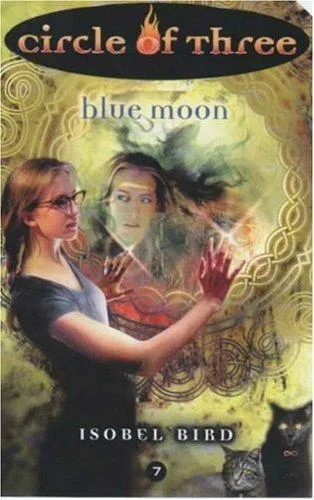
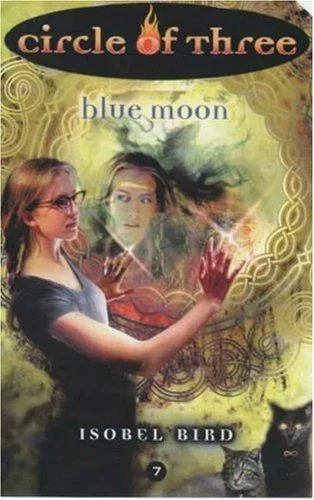
Circle of Three

 78
78

Circle of Three



Michael Thomas Ford's "Circle of Three" presents a compelling, if occasionally understated, look at the formation and challenges of a modern coven. The strength of the novel lies in its grounded portrayal of the characters' relationships, particularly the evolving dynamics between the three central witches, Anya, Moira, and Sarah. Ford avoids sensationalism, focusing instead on the quiet intensity of their shared magical journey. A notable limitation, however, is the pacing; at times, the narrative feels a little too deliberate, potentially slowing the momentum for readers seeking a more overtly dramatic occult thriller. The concept of the "witch's pyramid" is handled with a commendable nuance, showing how these principles manifest not just in grand ritual but in everyday choices. Ultimately, "Circle of Three" offers a thoughtful, character-focused exploration of witchcraft's personal dimensions.
📝 Description
78
### What It Is Michael Thomas Ford's "Circle of Three," first published in 2001, offers a narrative exploration of witchcraft and covens, centering on the experiences of three women. It examines the dynamics of power, friendship, and the personal costs associated with magical practice. The novel delves into the internal lives of its characters as they navigate their shared spiritual path and the external challenges they face. It is a fictional account that seeks to portray the practical and emotional aspects of contemporary paganism.
### Who It's For This book will appeal to readers interested in fictional portrayals of modern witchcraft and covens, particularly those who appreciate character-driven stories. It is suited for individuals curious about the interpersonal relationships within magical communities and the personal journeys of those involved in spiritual or occult practices. Readers seeking a narrative that balances magical elements with realistic human drama will find "Circle of Three" engaging.
### Historical Context Published in 2001, "Circle of Three" emerged during a period of growing public awareness and interest in Neopaganism and Wicca, spurred by figures like Starhawk and authors who had popularized witchcraft in previous decades. The early 2000s saw a proliferation of fiction and non-fiction works exploring witchcraft, moving beyond earlier sensationalist portrayals. Ford's work entered a literary landscape where authors like Marion Zimmer Bradley had already established fictional narratives around witchcraft, though Ford focuses on a more contemporary, intimate coven dynamic rather than historical or epic fantasy settings.
### Key Concepts The novel centers on the concept of the "witch's pyramid"—to know, to will, to dare, and to keep silent—a foundational principle in many magical traditions. It also explores the "rule of three" or "threefold law," where the energy one sends out returns threefold, influencing decisions and consequences within the coven. The narrative illustrates the power and responsibility inherent in forming a magical circle, emphasizing the psychic bonds and shared intent required for effective ritual and personal growth.
💡 Why Read This Book?
• Understand the practical application of the "witch's pyramid" (to know, to will, to dare, to keep silent) within a fictional coven setting, revealing how these principles guide daily decisions and magical practice. • Experience the nuanced interpersonal dynamics of a modern coven, exploring the "rule of three" and its implications for relationships and consequences, as depicted through Anya, Moira, and Sarah. • Gain insight into the emotional and spiritual weight of forming a magical circle, appreciating the bond of shared intent and responsibility that Ford illustrates in the narrative.
why_read
⭐ Reader Reviews
Honest opinions from readers who have explored this book.
❓ Frequently Asked Questions
What is the primary focus of "Circle of Three"?
The book primarily focuses on the interpersonal dynamics, spiritual journeys, and challenges faced by three women who form a modern witchcraft coven, exploring themes of power, friendship, and magical practice.
When was "Circle of Three" originally published?
The book was first published in 2001, placing it within a period of growing interest in contemporary witchcraft narratives.
Does "Circle of Three" offer practical magical instruction?
No, "Circle of Three" is a fictional narrative and does not provide direct magical instruction. It explores magical concepts and practices through the characters' experiences.
Who are the main characters in "Circle of Three"?
The central characters are three women: Anya, Moira, and Sarah, whose relationships and individual paths form the core of the story.
What esoteric concepts are explored in the novel?
The novel explores concepts such as the witch's pyramid (to know, to will, to dare, to keep silent) and the rule of three (or threefold law) as they relate to the characters' lives and magical practices.
Is "Circle of Three" a historical novel about witchcraft?
While it touches on principles relevant to witchcraft traditions, "Circle of Three" is set in a contemporary period and focuses on the modern experiences of its characters rather than historical events.
🔮 Key Themes & Symbolism
Coven Dynamics
The narrative delves into the intricate relationships within a witchcraft coven, specifically focusing on the bond between Anya, Moira, and Sarah. It examines how shared magical goals and personal ambitions can both strengthen and strain their connections. The book illustrates the delicate balance of power, trust, and vulnerability required to maintain a cohesive group dedicated to esoteric practice, showcasing the internal politics and emotional support systems that define their circle.
The Witch's Pyramid
Ford incorporates the foundational principles of the "witch's pyramid"—to know, to will, to dare, and to keep silent—as a guiding framework for the characters' actions and development. The novel demonstrates how these tenets are not merely abstract ideals but practical guidelines that influence their magical workings, personal decisions, and interactions within their community. The characters' struggles and triumphs often hinge on their adherence to or deviation from these core principles.
Personal Responsibility in Magic
A central theme is the profound personal responsibility that accompanies magical practice, particularly through the lens of the "rule of three." The characters learn that their actions, intentions, and the energies they project have tangible consequences that return to them. This concept underscores the ethical considerations inherent in witchcraft, emphasizing that power must be wielded with awareness and accountability, shaping the characters' spiritual growth and understanding of their place in the world.
Spiritual Identity and Belonging
The book explores the journey of finding and solidifying one's spiritual identity, especially within the context of a chosen community like a coven. The characters grapple with their evolving beliefs, the sacrifices required for spiritual commitment, and the sense of belonging that their shared path provides. It highlights the personal quest for meaning and connection that draws individuals to esoteric traditions and the challenges of maintaining that connection amidst life's complexities.
💬 Memorable Quotes
“The circle is where we find our power, but also where we must face ourselves.”
— This concept highlights that the sacred space of a coven is not just a source of external magical energy but also an arena for intense self-reflection and introspection, revealing personal strengths and weaknesses.
“Every spell cast sends ripples. The rule of three ensures we understand the weight of our choices.”
— This paraphrased idea emphasizes the karmic or energetic consequences inherent in magical actions, suggesting that the "rule of three" serves as a vital reminder of accountability and the interconnectedness of cause and effect.
“To dare is to step beyond what you thought possible, even when fear whispers.”
— This interpretation of 'to dare' from the witch's pyramid focuses on the courage required to push personal boundaries and embrace the unknown, framing it as a crucial element of magical and personal growth.
“Silence isn't just about keeping secrets; it's about knowing when words would break the magic.”
— This concept suggests that the principle of 'to keep silent' extends beyond mere secrecy, encompassing a deeper understanding of the potency of words and the necessity of discretion to preserve energetic integrity.
“We formed this circle not just for magic, but for each other.”
— This statement underscores the dual purpose of a coven: to facilitate esoteric practice while simultaneously building a strong foundation of mutual support, friendship, and shared human experience.
🌙 Esoteric Significance
Tradition
While "Circle of Three" is a fictional work, it draws heavily from contemporary Western esoteric traditions, particularly those associated with modern Wicca and Neo-Paganism. It reflects a lineage that evolved from earlier occult revivals of the late 19th and early 20th centuries, incorporating elements of Gardnerian Wicca and other witchcraft paths that emphasize coven structure, ritual, and the "witch's pyramid." Ford's narrative departs from more dogmatic presentations, focusing instead on the lived experience and psychological dimensions within this framework.
Symbolism
The number three is a potent symbol throughout the book, representing the core coven members and echoing the "rule of three" or "threefold law" common in many witchcraft traditions, where actions return threefold. The "circle" itself is a fundamental symbol of unity, protection, and the sacred space created for ritual and connection. Ford also implicitly uses the symbols of nature—seasons, elements—as backdrop and influence for the characters' spiritual practices and personal transformations.
Modern Relevance
Contemporary practitioners and writers exploring the social and psychological aspects of witchcraft often reference works like "Circle of Three" for its grounded portrayal of coven life. It remains relevant for those interested in how esoteric beliefs translate into personal relationships and ethical decision-making. Thinkers and groups focused on community building within spiritual movements, or those analyzing the evolution of modern paganism in the 21st century, find value in its character-driven exploration of these themes.
👥 Who Should Read This Book
• Aspiring practitioners of modern witchcraft seeking relatable fictional examples of coven dynamics and the application of core principles like the witch's pyramid. • Readers interested in comparative religion and spirituality who wish to understand fictional narratives that explore the personal and communal aspects of esoteric paths. • Enthusiasts of character-driven fiction who appreciate stories that examine interpersonal relationships, personal growth, and the psychological impact of spiritual commitment.
📜 Historical Context
Published in 2001, "Circle of Three" arrived as contemporary witchcraft narratives gained broader traction, moving beyond the more historical or romanticized depictions popular in earlier decades. The early 2000s witnessed a surge in fiction and non-fiction exploring Wicca and Neopaganism, partly fueled by increased visibility of practitioners and scholars. Michael Thomas Ford's work entered a literary landscape that had already been shaped by authors like Marion Zimmer Bradley, whose "The Mists of Avalon" (1982) offered a significant fictional reimagining of Arthurian legend through a pagan lens. Unlike Bradley's epic scope, Ford's novel zeroes in on the intimate dynamics of a small, modern coven. While not facing overt censorship, the genre itself navigated a space between esoteric interest and mainstream skepticism. The book's focus on character and the practicalities of coven life reflected a maturing literary approach to witchcraft themes.
📔 Journal Prompts
Anya's initial hesitation to "dare" in the face of a new ritual.
The significance of the "rule of three" in Moira's interpersonal conflicts.
Sarah's internal struggle with the principle of "to keep silent."
Reflect on the balance of power within the "circle" as depicted between the three women.
How the "witch's pyramid" informs the characters' ethical choices beyond ritual.
🗂️ Glossary
Coven
A group of witches, typically numbering three or more, who gather for ritual practice, mutual support, and spiritual development within various witchcraft traditions.
Witch's Pyramid
A set of principles often cited in witchcraft, typically comprising 'to know, to will, to dare, and to keep silent,' guiding the practitioner's actions and magical development.
Rule of Three (Threefold Law)
A principle stating that whatever energy or intent a practitioner sends out into the universe will return to them threefold, emphasizing accountability and the consequences of magical actions.
Circle Casting
A ritual practice in many pagan and witchcraft traditions used to create a sacred space, often by invoking elements and directions, for spellwork or meditation.
Esoteric
Relating to or accessible only by a relatively small number of people with a specialized knowledge or interest; often referring to hidden or mysterious spiritual or philosophical teachings.
Neo-Paganism
A broad term for modern spiritual paths that are largely based on pre-Christian European religions, often incorporating elements of nature worship, polytheism, and magic.
Wiccan Rede
A code of conduct central to many Wiccan traditions, famously containing the line 'An it harm none, do what ye will,' emphasizing ethical action and personal freedom within limits.