Learn Islam Pdf English Book Kimiya I Saadat An English Translation Of Imam Ghazzalis Alchemy Of Eternal Blissabu Hamid Al Ghazali

 83
83

Learn Islam Pdf English Book Kimiya I Saadat An English Translation Of Imam Ghazzalis Alchemy Of Eternal Blissabu Hamid Al Ghazali

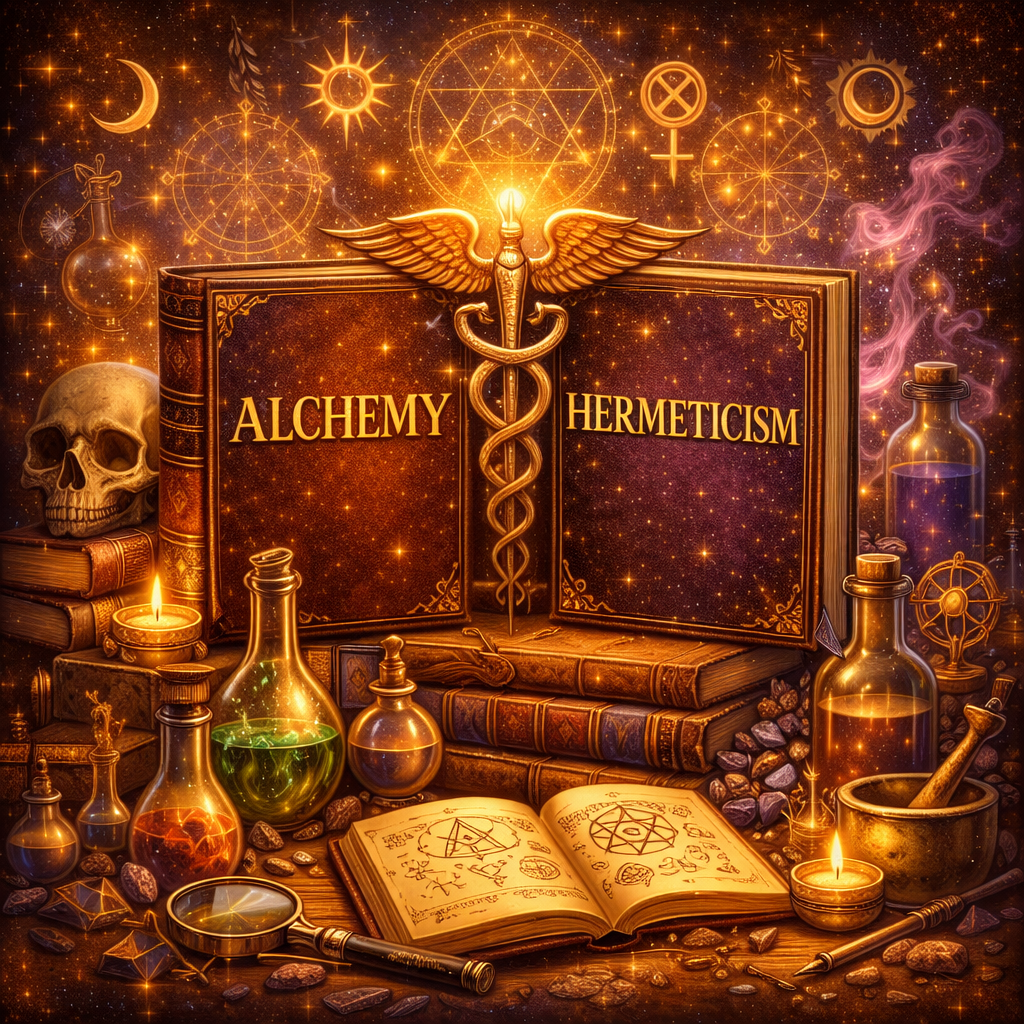

Ophelia Vance (Mystical Literature Reviewer) — 'Kimiya-yi Sa'adat' is a radiant beacon for those navigating the labyrinthine paths of spiritual seeking. Imam Ghazali, with unparalleled lucidity, reveals the 'alchemy' of the soul – the transformative process of purifying the heart and attaining divine knowledge. This English translation makes accessible the profound, often hidden, esoteric insights within Islamic tradition. Its strength lies in its practical, yet deeply philosophical, approach to inner work. Ideal for scholars of Sufism, seekers of spiritual truth, and anyone yearning for a profound, actionable guide to living a divinely-aligned life.
📝 Description
83
Imam Ghazali's 'Kimiya-yi Sa'adat' translates his 'Alchemy of Eternal Bliss' for English readers.
This English translation of Imam Ghazali's 'Kimiya-yi Sa'adat' focuses on the inner dimensions of Islamic practice. It moves beyond outward observance to address the purification of the heart and the transformation of the self. Ghazali, known as the 'Proof of Islam', presents a path toward spiritual well-being and nearness to God.
The text examines the internal struggles individuals face, particularly the dangers of the ego. It offers guidance on recognizing and overcoming these spiritual ailments. The book encourages active engagement with its teachings, aiming to foster personal change rather than passive reception. Readers will find discussions on the true nature of repentance and the relationship between faith and inner spiritual states.
Imam Ghazali's 'Kimiya-yi Sa'adat' is a significant text within the Sufi tradition of Islam. Sufism, often considered the esoteric dimension of Islam, emphasizes the direct, personal experience of God. Ghazali’s work articulates key Sufi concepts, framing spiritual development as an inner alchemy. It details the process of transforming negative character traits, seen as base metals, into virtues, akin to pure gold, leading to spiritual enlightenment and union with the Divine.
💡 Why Read This Book?
Uncover the secret 'alchemy' of the soul and achieve spiritual purification. This seminal work by Imam Ghazali offers profound insights into Islamic mysticism, guiding seekers towards inner transformation and divine bliss. If you are a dedicated student of esoteric traditions, a spiritual practitioner, or a scholar of ancient wisdom, this book is an indispensable key to unlocking deeper layers of self-understanding and connection to the sacred.
⭐ Reader Reviews
Honest opinions from readers who have explored this book.
❓ Frequently Asked Questions
What is the 'Alchemy of Eternal Bliss'?
It refers to the spiritual process of purifying the soul and transforming worldly desires into divine love and knowledge, leading to eternal happiness and proximity to God.
Who was Imam Ghazali?
Abu Hamid Al-Ghazali was a renowned Persian theologian, jurist, philosopher, and mystic of Islam, often considered one of the most influential figures in Islamic history.
Is this a literal alchemical text?
No, the 'alchemy' discussed is entirely spiritual and metaphorical, focusing on the purification and transformation of the human soul, not material substances.
What are the core teachings of this book?
The book covers topics like the nature of God, the ego, repentance, gratitude, patience, reliance on God, and the pursuit of knowledge and spiritual perfection.
Who is the intended audience for this translation?
It is intended for anyone interested in Islamic mysticism, Sufism, spiritual self-improvement, and the profound philosophical and ethical teachings of Imam Ghazali.
🔮 Key Themes & Symbolism
The Spiritual Alchemy of the Soul
This theme explores the profound metaphor of alchemy as applied to the human spirit. It details the process of transforming base desires and negative spiritual qualities – the 'lead' of the ego – into the 'gold' of divine wisdom, inner peace, and proximity to the Divine. Ghazali outlines the spiritual disciplines and inner work required for this arduous yet ultimately rewarding transmutation, making it a core part of his teachings for spiritual aspirants.
Purification of the Heart (Tazkiyat al-Nafs)
Central to Ghazali's philosophy is the concept of purifying the heart, the locus of spiritual perception and divine connection. This theme examines the identification and eradication of spiritual diseases such as pride, envy, greed, and anger, and the cultivation of virtues like sincerity, humility, patience, and gratitude. The book serves as a comprehensive guide to the inner battles necessary for achieving a pure heart, a prerequisite for true spiritual enlightenment.
The Path to Divine Knowledge and Bliss
This theme illuminates the esoteric path towards attaining profound spiritual knowledge ('ma'rifa') and experiencing eternal bliss. Ghazali elucidates how sincere faith, righteous action, and diligent introspection lead to a deeper understanding of reality and a direct experience of divine presence. It emphasizes that true happiness is not found in worldly possessions but in the spiritual cultivation of the self and unwavering devotion to the Creator.
💬 Memorable Quotes
Direct passages from the work, attributed to the author.
“Know that the world is a mine of gold for the wise.”
— This implies that the true value of the world lies not in its material wealth but in the spiritual lessons and wisdom that can be extracted from its experiences by a discerning mind.
“The tongue is a lion; if you let it loose, it will devour you.”
— This highlights the destructive power of uncontrolled speech, warning against gossip, backbiting, and harsh words that can cause immense harm to oneself and others.
“The key to the Hereafter is the heart.”
— This profound statement underscores the centrality of the heart in spiritual matters, suggesting that genuine spiritual progress and salvation are achieved through the inner purification and transformation of one's heart.
“He who knows himself knows his Lord.”
— This aphorism points to the interconnectedness of self-knowledge and divine knowledge, suggesting that introspection and understanding one's own nature is a crucial step towards comprehending the Divine.
💡 Key Ideas
Editorial paraphrase of the work's core concepts — not direct quotes.
The world is a bridge, so pass over it but do not build upon it.
This quote emphasizes the transient nature of worldly life, encouraging readers to focus on their spiritual journey rather than becoming attached to material possessions and earthly pursuits.
🌙 Esoteric Significance
Tradition
This work is a core part of classical Islamic mysticism, commonly known as Sufism. It represents a sophisticated integration of orthodox Islamic theology and jurisprudence with the experiential and devotional practices of Sufi saints. Ghazali provides a systematic framework for the spiritual path, detailing the 'stations' and 'states' of the mystic journey, and offering a profound understanding of divine love, gnosis, and the purification of the soul within an Islamic context.
Symbolism
The title itself, 'Alchemy of Eternal Bliss,' is deeply symbolic, drawing parallels between the alchemist's quest for gold and the spiritual seeker's pursuit of divine perfection. The 'base metals' symbolize vices and ignorance, while 'gold' represents spiritual purity, divine knowledge, and eternal happiness. Other symbols include the 'heart' as the seat of divine perception, the 'ego' as a veil, and various spiritual ailments as poisons requiring specific antidotes derived from remembrance of God and righteous deeds.
Modern Relevance
In an age often characterized by materialism and spiritual disconnect, Ghazali's 'Alchemy of Eternal Bliss' offers a timeless antidote. Its teachings on self-awareness, ethical conduct, and the pursuit of inner peace resonate deeply with contemporary seekers of meaning and authenticity. The book's emphasis on transforming internal states rather than external circumstances provides a powerful framework for personal growth and resilience, making its esoteric wisdom profoundly relevant for working through the complexities of modern life.
👥 Who Should Read This Book
This informative text is essential for a diverse readership. **Spiritual Seekers** will find a comprehensive, practical guide to purifying their hearts and drawing closer to the Divine. **Scholars of Islamic Studies and Comparative Religion** will gain useful insights into the philosophical and mystical underpinnings of Sufism and the lasting impact of Imam Ghazali. **Practitioners of Meditation and Mindfulness** will discover ancient techniques for self-awareness and inner transformation rooted in a rich spiritual tradition. **Anyone questioning the superficiality of modern life** and yearning for deeper meaning will find a profound and actionable path towards lasting contentment and spiritual fulfillment.
📜 Historical Context
Written in the late 11th century CE, 'Kimiya-yi Sa'adat' emerged during a central period in Islamic intellectual history, following the 'crisis of Islam' articulated in Ghazali's earlier work, 'The Incoherence of the Philosophers.' This era witnessed a flourishing of theological, philosophical, and mystical thought, yet also periods of political instability and intellectual debate. Ghazali, a towering figure who bridged orthodox jurisprudence and Sufi mysticism, sought to synthesize these streams of knowledge, offering a practical guide for spiritual attainment accessible to the broader Muslim populace. His work aimed to counter intellectual arrogance and superficial religiosity, emphasizing the lived experience of faith and the essential inner work required for salvation, profoundly influencing subsequent generations of Islamic scholars and mystics across the Muslim world.
📔 Journal Prompts
Reflect on a personal 'vice' you wish to transmute. What spiritual 'antidote' can you apply from Ghazali's teachings?
Consider the concept of 'building upon the bridge.' What worldly attachments are hindering your spiritual progress?
Journal about a time you experienced 'divine bliss' or profound peace. What were the contributing factors, internal or external?
How does the 'key of the Hereafter being the heart' apply to your daily actions and intentions?
Explore the connection between knowing yourself and knowing your Lord. What aspects of your inner self are you currently exploring?
🗂️ Glossary
Tazkiyat al-Nafs
The Islamic concept of purification of the soul or self, a central theme in Islamic spirituality and Sufism, involving the elimination of negative traits and the cultivation of virtues.
Ma'rifa
Gnosis or direct spiritual knowledge of God, often attained through intense spiritual effort, contemplation, and divine grace within Islamic mysticism.
Ego (Nafs)
In Islamic tradition, the ego or 'nafs' often refers to the lower self, the seat of desires, passions, and worldly inclinations that can obstruct spiritual progress and lead to sin.
Dhikr
The remembrance of God, a spiritual practice in Islam that involves repetitive chanting of divine names or phrases, aimed at cultivating constant awareness of the Divine.
Fana
An Arabic term in Sufism meaning 'annihilation' or 'dissolution,' referring to the loss of self-awareness or ego-consciousness in the presence of God, a state of spiritual ecstasy.
This book appears in 3 collections
🔮 Readers Also Liked
Browse all →









From the “Hermeticism” Collection
View all →









More Free Alchemy & Hermeticism Books
View all →