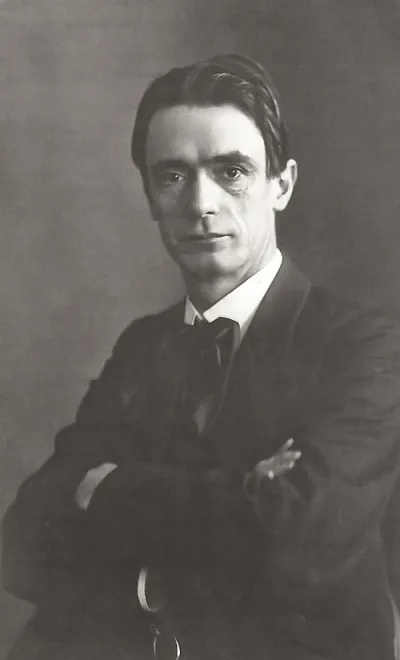
✍️ Author Biography
📅 1818 – 1891
🌍 American
📚 2 free books
⭐ Known for: Yìyuan zhiyan (1558)
Zhīyán, or 'goblet words,' is a Daoist concept from the Zhuangzi representing fluid language that shifts meaning to maintain equilibrium.
Zhīyán, translated as 'goblet words,' is an ancient Chinese rhetorical device originating from the Daoist text Zhuangzi. It is characterized by language that fluidly shifts in meaning and perspective, akin to a wine goblet that tilts when full and rights itself when empty. This linguistic ideology allows for spontaneous engagement with diverse viewpoints, enabling one to navigate arguments and maintain balance. The term is one of three neologisms presented in the Zhuangzi, alongside yùyán ('lodged words') and chóngyán ('repeated words'), collectively referred to as the 'three words.' While the specific etymology and historical usage of the wine vessels associated with these terms have been debated by scholars, the concept of zhīyán itself emphasizes a dynamic and adaptable form of communication. The Zhuangzi text highlights zhīyán as a means to achieve longevity and harmony with the natural order, suggesting its profound philosophical implications within Daoist thought.
The Concept of Zhīyán
Zhīyán, literally 'goblet words,' describes a type of mystical linguistic philosophy found in the Daoist classic Zhuangzi. The term draws an analogy with a specific type of ancient Chinese wine vessel, a zhī, which was said to tilt when full and return to an upright position when empty. This imagery represents language that is fluid, capable of shifting its meanings and perspectives to maintain an equilibrium. Such a linguistic approach allows an individual to spontaneously align with various sides of a discussion or argument, fostering a sense of harmony and adaptability. The Zhuangzi presents zhīyán as a means of achieving longevity and aligning with the natural flow of existence, suggesting its importance as a sophisticated rhetorical and philosophical tool.
Linguistic Context in Zhuangzi
Within the Zhuangzi, zhīyán is presented alongside two other rhetorical devices: yùyán ('lodged words,' often translated as fables or parables) and chóngyán ('repeated words' or 'weighted words,' referring to quotations or established sayings). These three, collectively termed the 'three words,' are discussed in chapters 27 and 33. Chapter 27 emphasizes zhīyán as 'impromptu words' that 'pour forth every day and harmonize within the framework of nature.' The text suggests that this fluid, spontaneous expression is crucial for enduring life's challenges. Chapter 33 further elaborates on these terms, positioning zhīyán as the most inclusive and significant, used for 'effusive elaboration,' while quotations convey truth and metaphors provide breadth. This hierarchical arrangement underscores the philosophical depth attributed to zhīyán within Daoist discourse.
Etymology and Vessel Imagery
The understanding of zhīyán is deeply intertwined with the etymology of the word zhī (卮), referring to an ancient wine goblet. Historical texts, including Xu Shen's Shuowen jiezi and Ying Shao's commentaries, describe various types of wine vessels, such as zhī, zhì, dàn, and shuàn, with discussions on their precise forms, capacities, and ritualistic uses. While scholarly interpretations differ on the exact distinctions between these vessels, the common thread is their function as containers for wine, often associated with regulation of consumption or ceremonial purposes. The 'goblet' imagery serves as a potent metaphor for language that is dynamic, capable of holding and releasing its contents—meanings and perspectives—in a balanced and flowing manner, reflecting the Daoist ideal of effortless action and natural harmony.
Key Ideas
- Fluid language that shifts meaning to maintain equilibrium.
- Linguistic adaptability for navigating diverse viewpoints.
- Connection between spontaneous speech and longevity.
- Metaphor of a tilting wine goblet for dynamic expression.
Notable Quotes
“Zhīyán rìchū hé yǐ tiānní”
“the most difficult in the entire chapter”
“impromptu words pour forth every day and harmonize within the framework of nature”
“the sage harmonizes the right and wrong of things and rests at the center of the celestial potter's wheel”
“Knowledge that stops at what it cannot know is the ultimate.”