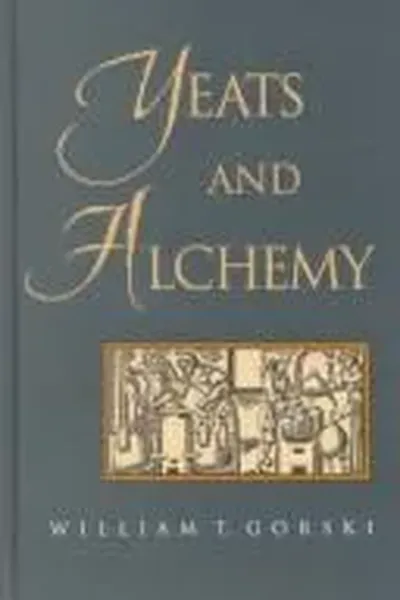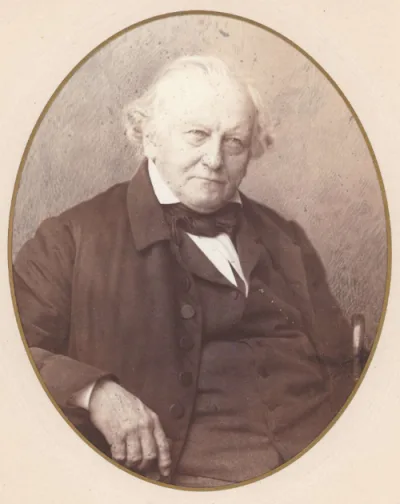
William T. Gorski
Hedwig Gorski, an American avant-garde artist and performance poet, coined the term 'performance poetry' and developed a unique aesthetic.
Hedwig Irene Gorski, born in 1949, is an American artist and performance poet who defines her style as 'American futurism.' She is credited with coining the term 'performance poetry,' a precursor to slam poetry, which originated from her experimental theater and spoken word projects in 1979. Gorski, a first-generation Polish American academic, creates poetry, prose, drama, and audio works across various media.
Her career began in New Orleans in the early 1970s, where she contributed to the underground newspaper NOLA Express and befriended blues musician Babe Stovall. After moving to Austin, Texas, in 1977, she further developed her artistic practice, creating a form of theater she called 'neo-verse drama' and articulating the birth of performance poetry. Gorski's work, while not overtly aligned with feminism, has been noted for its commentary on racial and gender disparities, challenging societal norms and complacency. She maintained connections with Chicana feminist figures like Gloria E. Anzaldúa and often performed with them. Her academic pursuits led to a Ph.D. in Creative Writing, and she lectured internationally as a Fulbright Fellow.
Pioneering Performance Poetry
Hedwig Gorski is recognized for originating the term 'performance poetry' in 1981 press releases to describe her method of creating poetry specifically for oral presentation rather than print. This genre, distinct from spoken word, slam, and traditional readings, emphasizes the fusion of spoken text with the performer's intent and physical presence. Her collaboration with the band East of Eden, featuring professional jazz musicians, exemplified this approach, with composer D'Jalma Garnier creating music tailored to each poem. Gorski's vocal delivery was noted for its intensity, bordering on singing. Her live broadcasts on KUT-FM were distributed globally, contributing to the growing network of audio art outside mainstream commercial channels.
Artistic Philosophy and Influences
Gorski's aesthetic, which she terms 'American futurism,' is deeply influenced by her background in visual arts and a critique of mainstream artistic institutions. Having earned a BFA in painting, she found the gallery circuit elitist and channeled her artistic energy into performance, conceptual art, and anti-establishment ideals. Her work often incorporates 'found' text and draws from the existential experiences of marginalized individuals. Gorski's writing style, characterized by narrative and lyrical poetry intended solely for performance, was directly inspired by figures like Allen Ginsberg and Bob Dylan, though she also developed a complex relationship with Ginsberg. Her motto, 'poetry is a hammer,' adapted from Mayakovsky, reflects a belief in art's power to challenge and impact society.
Scholarship and Cultural Identity
Beyond her creative output, Gorski is an accomplished academic. She holds a Ph.D. in Creative Writing from the University of Louisiana at Lafayette. Her scholarly work has explored the experiences of 'invisible minorities,' particularly those of European heritage facing discrimination in the United States. As a Fulbright Fellow, she lectured on minority American literature in Poland and traveled extensively in Eastern Europe. Gorski's heritage as a Polish American informs her perspective, as she has articulated that Polish Americans share more cultural connections with other 'hyphenated' minority groups than with the dominant American culture. Her academic research and personal history highlight a commitment to understanding and representing the struggles of disadvantaged communities within American society.
Key Ideas
- Performance Poetry: A distinct genre of poetry created specifically for oral delivery, emphasizing the performer's intent and physical presence, rather than for print publication.
- American Futurism: An aesthetic label used by Gorski to define her avant-garde artistic style.
- Invisible Minorities: A term Gorski uses to describe persecuted groups, often of European heritage, who are overlooked or marginalized within the United States.
Notable Quotes
“poetry is a hammer”
Books by William T. Gorski
0 free public domain books · Read online or download