Wilde, William Robert Wilde, lady Jane Francesca Elgee Wilde
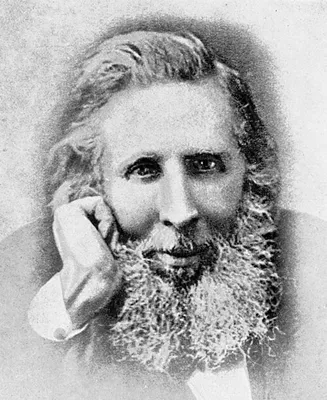
Lady Jane Wilde, writing as Speranza, was an Irish poet, nationalist, and folklorist, mother of Oscar and Willie Wilde.
Jane Francesca Agnes Wilde, known by her pen name Speranza, was an Irish poet and a supporter of Irish nationalism. Born in 1821, she was the daughter of Charles Elgee and Sarah Kingsbury. Despite a claim of Italian ancestry connecting her to Dante Alighieri, her family line descended from laborers who achieved gentry status. Her early life was marked by her father's death in India when she was young and her mother's subsequent raising of her and her siblings in modest circumstances. She was educated by governesses and tutors, reportedly mastering ten languages by age 18. She moved to Dublin with her mother and sister, where she translated a German Gothic tale and met her future husband, William Wilde, an eye and ear surgeon and folklore researcher. They married in 1851 and had three children: William, Oscar, and Isola. Lady Wilde was an early advocate for women's rights, supporting better educational opportunities and celebrating legislation that protected women's property rights in marriage. She also had a keen interest in Irish folktales, collecting and publishing them, which influenced her sons' literary work. She died in 1896.
Literary and Nationalist Activism
Writing under the pseudonym "Speranza," Jane Wilde was a prominent voice in the Young Ireland movement of the 1840s, contributing poems and commentary to "The Nation." Her writings often expressed pro-Irish independence sentiments and critiques of British rule. At one point, she reputedly claimed responsibility in court for an article calling for armed revolution, an act which led to the paper's closure. Her editorial stance, sometimes referred to as "Speranza of the Nation," positioned her as a significant figure in Irish nationalist circles. Beyond politics, she was an ardent supporter of women's rights, advocating for improved educational access for women and praising legal advancements like the Married Women's Property Act of 1882, which she felt liberated women from financial subservience within marriage.
Folklore and Literary Influence
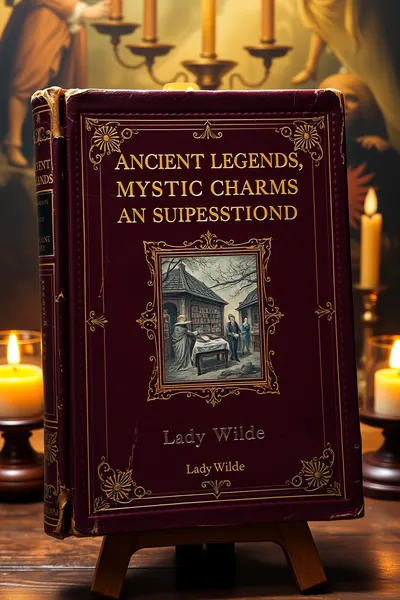
Lady Wilde possessed a deep fascination with Irish folktales, folklore, and superstitions, dedicating considerable effort to their collection and dissemination. This interest extended into her literary output, where she produced works such as 'Ancient Legends, Mystic Charms, and Superstitions of Ireland.' Her scholarly pursuits in folklore were influenced by her husband, William Wilde, who was also a researcher in the field. Her own literary contributions, particularly her poems, are noted for potentially influencing her son Oscar Wilde's work. Comparisons have been drawn between her poem 'The Brothers' and his 'Ballad of Reading Gaol,' suggesting a thematic and stylistic connection rooted in their shared exploration of Irish history and human experience.
Personal Life and Later Years
Jane Wilde married Sir William Wilde, a noted eye and ear surgeon, in 1851. Together, they had three children: William, Oscar, and Isola. The family resided in Dublin, moving to the fashionable Merrion Square address in 1855. Lady Wilde's social circle included notable figures like Charlotte von Krämer, a Swedish noblewoman with whom she shared interests in literature, culture, and women's rights, even attempting to learn Swedish to read journals sent by her friend. Following her husband's death in 1876, the family faced financial difficulties. Lady Wilde moved to London with her sons, supplementing their income by writing for magazines and publishing books based on her husband's folklore research. She continued writing until her death in 1896, her final days marked by a denied request to see her imprisoned son, Oscar.
Key Ideas
- Irish nationalism and independence
- Advocacy for women's rights and equality
- Collection and preservation of Irish folklore and superstitions
- Literary influence on her son Oscar Wilde
Books by Wilde, William Robert Wilde, lady Jane Francesca Elgee Wilde
2 free public domain books · Read online or download